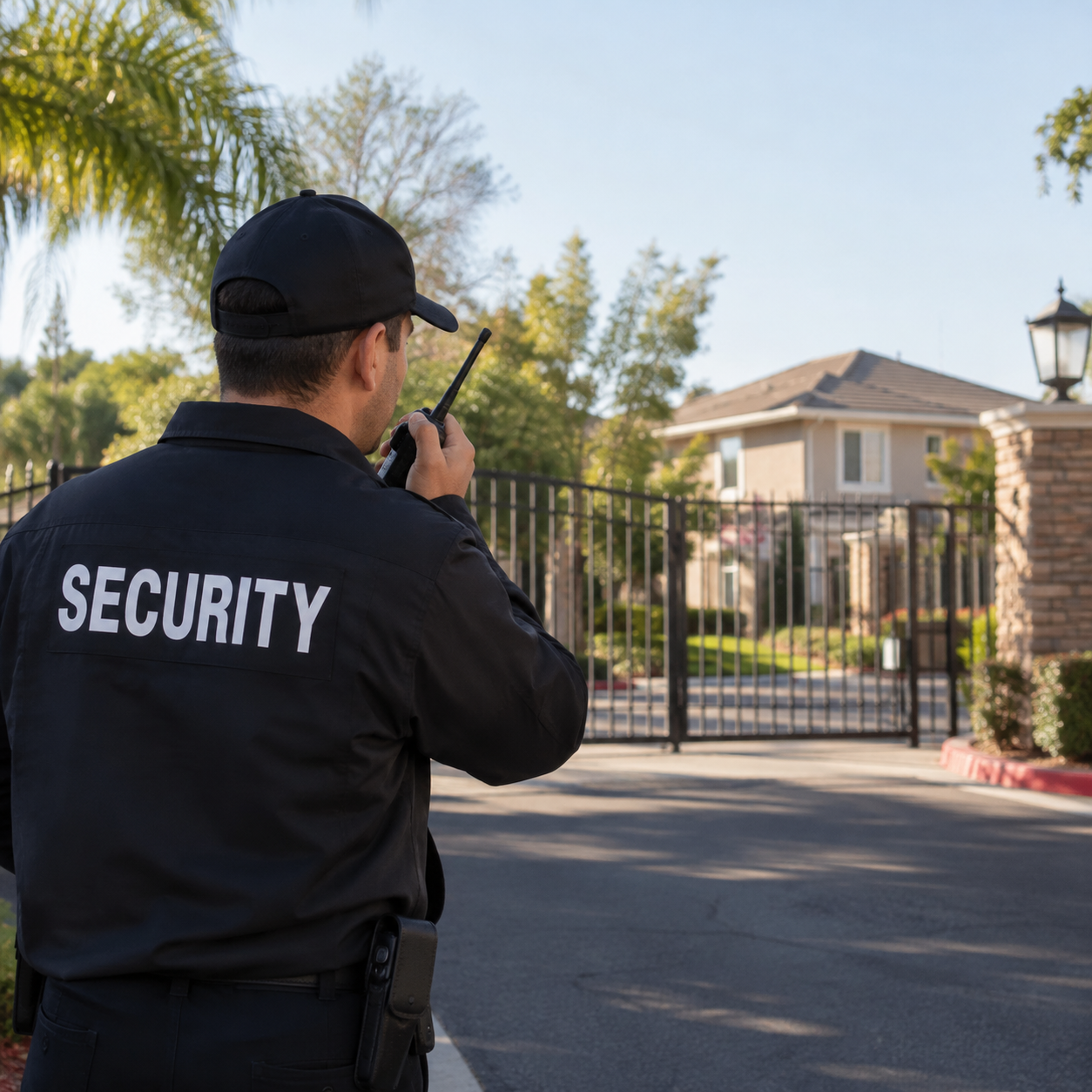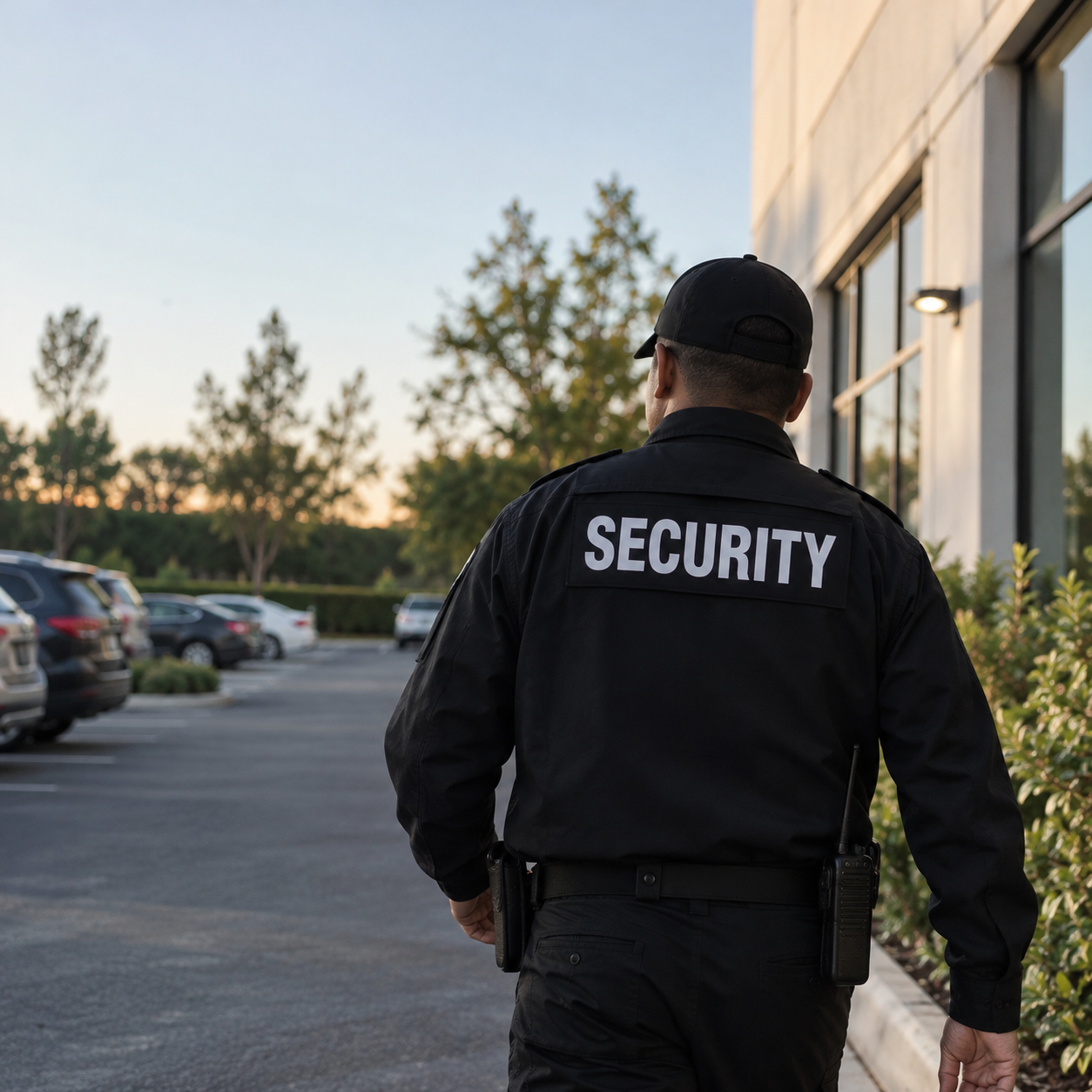
Understanding how to reduce crime on private property under Proposition 47 has become an important responsibility for California property managers, business owners, and HOA boards. Theft, trespassing, vandalism, and repeat disturbances can create financial losses and undermine tenant confidence. While California’s criminal justice laws have evolved, property owners still have practical ways to strengthen protection through professional security patrols, controlled access, video monitoring, and consistent incident documentation.
The goal is not simply to react when something goes wrong. It is to make criminal activity harder to carry out, easier to detect, and more likely to result in an appropriate response.
What Proposition 47 Means for Property Owners
Approved in 2014, Proposition 47 reclassified certain lower-level theft and drug offenses from felonies to misdemeanors. For many qualifying theft offenses involving property valued at $950 or less, misdemeanor treatment became the general rule, subject to statutory exceptions.
However, the law never made theft legal or prevented law enforcement from responding to criminal activity.
California voters subsequently approved Proposition 36 in November 2024, allowing felony charges for certain repeat theft offenses and introducing additional changes to criminal penalties.
What the Research Actually Shows
The relationship between Proposition 47 and crime is more complicated than commonly suggested.
Research by the Public Policy Institute of California found evidence that Proposition 47 contributed to increases in some larceny thefts, particularly thefts from vehicles, but did not establish a corresponding increase in violent crime.
For property managers seeking a more detailed explanation, the institute’s report, Crime After Proposition 47 and the Pandemic, examines theft trends, enforcement, and changes in property crime clearance rates. Readers can explore the findings to better understand California’s changing security environment.
The operational takeaway: Regardless of criminal penalties, property owners benefit most from security measures that prevent opportunities for theft and create reliable evidence when incidents occur.
Seven Practical Ways to Reduce Private Property Crime
1) Identify Vulnerabilities Before Criminals Exploit Them
Every property contains locations where unauthorized activity is easier to conceal.
Typical vulnerabilities include:
-
Parking structures: Poor visibility, isolated stairwells, and unsecured pedestrian entrances.
-
Commercial properties: Rear loading doors, storage rooms, and unattended service corridors.
-
Residential communities: Damaged gates, poorly lit amenities, and unsecured common areas.
-
Industrial facilities: Fence gaps, outdoor inventory, and equipment storage yards.
A structured security assessment should identify these conditions and rank them according to incident history, asset value, and potential harm.
The Value of a Property Risk Map
A simple property map showing previous incidents, camera coverage, access points, and patrol routes helps management direct security resources where they matter most.
2) Establish Visible and Unpredictable Security Patrols
Criminal activity often takes advantage of predictable routines and limited supervision.
Professional mobile patrols help address these weaknesses through visible security presence and physical verification.
Effective patrol programs should include:
-
Randomized patrol timing: Reduce opportunities to anticipate officer movements.
-
Targeted foot inspections: Check garages, stairwells, gates, and vulnerable entrances.
-
After-hours coverage: Prioritize periods when facilities have fewer employees or occupants.
-
Incident-based adjustments: Increase attention around locations experiencing recurring problems.
For larger communities and commercial properties, combining mobile patrols with strategically positioned security officers can provide broader coverage without requiring permanent staffing at every entrance.
3) Strengthen Access Control and Trespass Procedures
Access control is one of the most practical ways to reduce crime on private property under Proposition 47 and subsequent California law.
Property managers should review who can enter restricted areas, how credentials are issued, and what happens when access privileges are misused.
Important improvements include:
-
Restricting access to employee-only and maintenance areas.
-
Replacing compromised gate codes and inactive credentials.
-
Maintaining visitor and contractor authorization procedures.
-
Documenting unauthorized access attempts.
-
Establishing consistent trespass reporting and escalation policies.
Security officers should follow lawful procedures and site-specific post orders. Trespass enforcement should never rely on assumptions about someone’s appearance or circumstances.
4) Connect Security Cameras With Real-Time Response
Traditional surveillance systems frequently provide useful evidence only after an incident has occurred.
Live camera monitoring can create an opportunity for earlier intervention.
A coordinated monitoring process may involve:
-
A camera or alarm system detects unusual activity.
-
A monitoring operator reviews the available information.
-
Security personnel receive verified incident details.
-
Mobile patrol or on-site officers respond according to established procedures.
-
Relevant evidence and response actions are documented.
Why integration matters: A camera alert becomes more useful when someone is responsible for evaluating it and initiating the appropriate response.
Video monitoring should respect privacy requirements, and emergency situations should be escalated without unnecessary delays.
5) Document Repeat Offenders and Recurring Incidents
An isolated incident report tells management what happened once. A consistent reporting system reveals patterns.
For example, repeated vehicle break-ins near the same parking entrance may indicate insufficient lighting, ineffective access control, or inadequate patrol coverage.
Strong incident reports should document:
-
Time and location: When and where the event occurred.
-
Observed behavior: Objective descriptions without unsupported assumptions.
-
Supporting evidence: Available video references, photographs, and witness statements.
-
Security actions: Notifications, warnings, response measures, and police involvement.
-
Follow-up requirements: Repairs, additional patrols, or management decisions.
Under current California theft laws, accurate records of recurring incidents may also assist law enforcement in evaluating whether particular statutory provisions apply. Security personnel should preserve evidence rather than attempt to determine criminal charges themselves.
How Proposition 36 Changes the Security Conversation
Proposition 36 modified parts of California’s approach to repeat theft offenses.
Among its provisions, certain thefts involving individuals with two or more specified prior theft convictions may qualify for felony prosecution. Other legal changes also address aggregation of theft values under applicable circumstances.
What Property Managers Should Do Differently
Rather than assuming every theft below $950 receives identical treatment, managers should focus on preserving accurate records.
Maintain Consistent Evidence Standards
Security teams should record relevant facts for every incident, including relatively small losses. Multiple events may reveal patterns that individual reports overlook.
Prosecutors and law enforcement determine which charges apply; private security supports that process through lawful observation, reporting, and evidence preservation.
Use Environmental Design to Reduce Opportunities
Crime Prevention Through Environmental Design (CPTED) emphasizes reducing criminal opportunities through physical improvements.
For commercial and residential properties, useful measures include:
-
Improving lighting around entrances and parking areas.
-
Trimming landscaping that conceals suspicious activity.
-
Repairing damaged fencing and access gates.
-
Positioning cameras to cover legitimate common-area security needs.
-
Maintaining clear boundaries between public and restricted areas.
These improvements complement active security patrols rather than replace them.
How CWPS Helps Protect California Properties
City Wide Protection Services (CWPS), established in 2012, provides professional security services designed around prevention, monitoring, patrol operations, and incident response.
For property owners concerned about recurring crime, a layered security approach can combine:
-
Courtesy and mobile patrols for visible deterrence.
-
Armed and unarmed security personnel according to property risk.
-
Camera and alarm monitoring for improved incident detection.
-
Security consultation to identify vulnerabilities and strengthen procedures.
-
Incident documentation to support accountability and management decisions.
For additional guidance, explore our previously published resource on Creating a Layered Security Plan for Commercial Properties. It explains how patrol operations, monitoring, and access control can work together to strengthen protection.
A 30-Day Property Crime Prevention Plan
Week 1: Review Existing Risks
Examine incident reports, access-control weaknesses, lighting conditions, and camera coverage. Identify repeat locations requiring immediate attention.
Week 2: Strengthen Security Procedures
Update patrol instructions, trespass reporting procedures, emergency contact information, and incident documentation standards.
Week 3: Coordinate Monitoring and Patrols
Connect available security alerts with response procedures. Adjust patrol coverage around documented vulnerabilities and higher-risk periods.
Week 4: Evaluate Performance
Review incident frequency, response times, unresolved property vulnerabilities, and recurring security concerns. Make adjustments based on verified findings rather than assumptions.
Protect Your Property With CWPS
Learning how to reduce crime on private property under Proposition 47 begins with understanding that prevention remains essential regardless of changes to criminal penalties.
CWPS helps property managers, HOAs, and business owners develop security programs that emphasize proactive patrols, reliable monitoring, coordinated response, and consistent reporting.
Discuss your property’s security challenges with our team and identify appropriate protection options.
-
Call: (888) 205-4242
-
Email: [email protected]
FAQ: Common Questions From Property Owners
Does Proposition 47 prevent police from arresting people for theft?
No. Proposition 47 changed the classification of certain offenses; it did not legalize theft or eliminate police enforcement authority.
Can private security guards enforce trespassing rules?
Security guards can observe, report, communicate property rules, and take lawful actions within their authority. Enforcement procedures must comply with California law and site policies.
What is the most effective way to prevent repeat property crime?
Combining controlled access, purposeful patrol coverage, timely incident response, environmental improvements, and consistent documentation provides a stronger approach than relying on any single security measure.