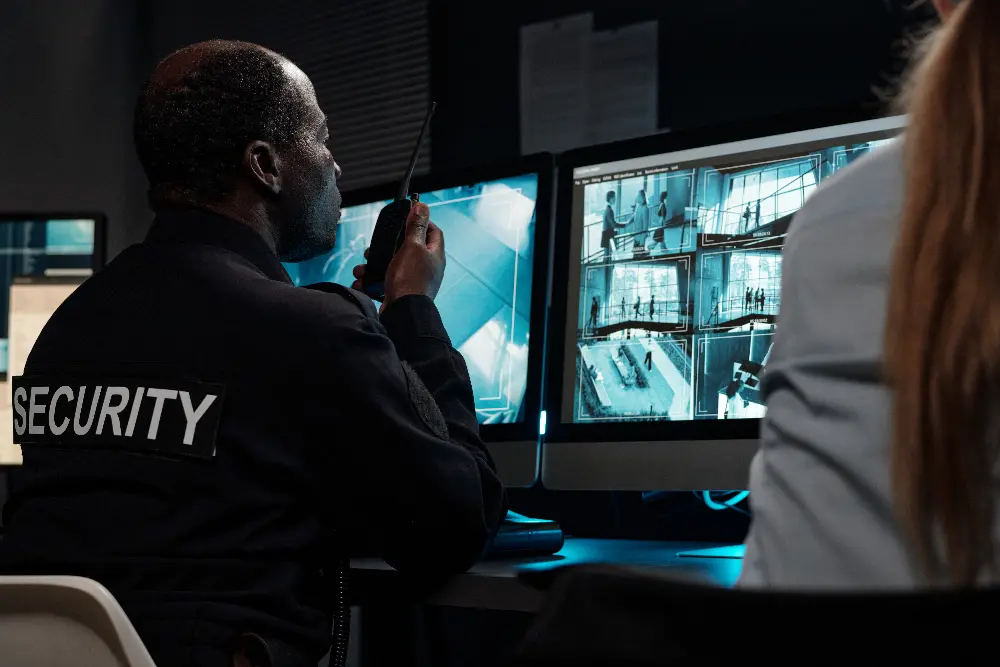
Why Nights Need a Different Playbook
When doors lock and lights dim, risks shift. Vandalism, burglary attempts, trespass, and after-hours disputes can spike precisely when staffing is leanest. That’s why after-hours security reinforcement services must be built for low-light, low-staff conditions: layered deterrence, verified monitoring, directed patrols, and crystal-clear escalation rules. Federal guidance on physical security planning stresses risk-based resource allocation—exactly what you need when coverage windows change after close (see the Interagency Security Committee best-practice overview for planning and managing physical security resources).
The Night-Shift Stack: What Works When Most People Are Gone
Verified Monitoring That Cuts False Dispatch
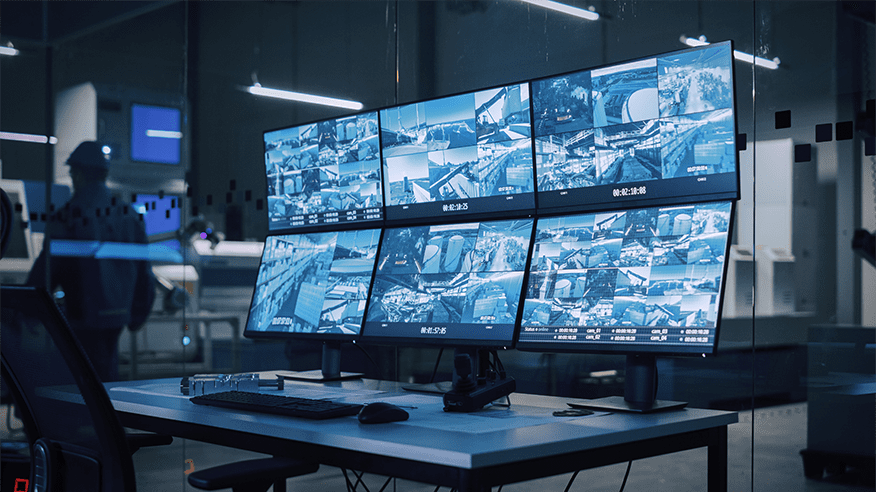
Analytics should watch doors, gates, yards, docks, and rooflines—but humans must verify before rolling units. Operators review short pre/post clips, check access logs, and (where speakers exist) use a calm voice-down. Verifying events first reduces false alarms and speeds real responses—vital for after-hours security reinforcement services when every minute counts.
Directed Patrols, Not Loops
Ditch generic “drive-by” patterns. Use data to stage must-hit checkpoints at loading bays, side corridors, cash-office approaches, stair cores, and parking entrances. Patrol timing should align to delivery windows, shift changes, and neighborhood patterns gathered from incident logs.
Lock, Light, Lens
After-hours is unforgiving to small gaps. Three quick wins:
- Lock: Time-bounded contractor badges and instant lockout for orphaned credentials.
- Light: Aim luminaires to improve face/hand capture; eliminate shadow pockets around entries.
- Lens: Re-aim cameras to remove glare; confirm retention/time-sync so evidence stands up later.
Late-night environments have special risks. OSHA’s guidance for late-night retail highlights targeted prevention programs (barrier placement, cash-handling limits, visibility, and training) that translate well to commercial after-hours playbooks. You can read more there.
A Five-Step Blueprint for After-Hours Coverage
1) Profile the Property by Hour
Map your site at 6 PM, midnight, and 4 AM. Label hard cover, choke points, camera blind spots, panic devices, and PA reach. Tie coverage to real patterns: end-of-day cash runs, custodial routes, and recurring delivery times. Risk-based resource planning—prioritized by impact and likelihood—is the foundation of strong after-hours security reinforcement services.
2) Engineer Time Into the Perimeter
Layer standoff and anti-ram elements at vehicle entries, add tailgate-prevention signage, and mark “no-linger” zones near doors and dock wells. The goal is to buy minutes for verification, dispatch, and arrival.
3) Write Micro Run-Books (Two Pages Max)
Replace binders with one-page escalation matrices and 60-minute action plans:
- Trigger → First 5 minutes (verify, voice-down, lockouts)
- 15 minutes (patrol on scene, evidence capture)
- 60 minutes (stabilize, temp repairs, notifications)
Keep versions for common night scenarios: alarm with no visible entry, trespass at a dock, vehicle casing the lot, glass-break at a side door.
4) Train in Short Reps on All Shifts
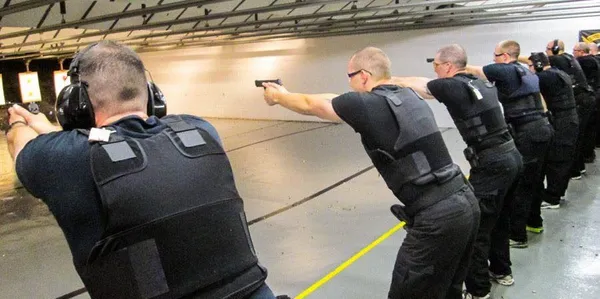
Run 10-minute table-tops weekly per shift (including overnights): alarm verification drill, suspicious-vehicle protocol, tailgater at gate. Use body-worn/vehicle dash capture during training to audit clarity of commands and arrival times.
5) Prove It With KPIs
Measure what leaders care about and what insurance reviews:
- Alert-to-Verify (sec)
- Verify-to-Dispatch (sec)
- On-Scene Arrival (min)
- False-Alert Reduction (trend)
- Repeat-Cause Fixes Closed (lighting angles, signage, camera re-aims, door timing)
Planning frameworks from federal security councils emphasize documenting risks, resources, and results—a defensible way to show ROI on night coverage.
Use Cases We Solve Nightly
Retail & Mixed-Use Centers
After close, we pair remote verification with directed exterior patrols at loading docks, stair cores, dumpsters, and back corridors. When a verified trespass occurs, the operator issues a voice-down; a patrol unit repositions to cut off line-of-travel while cameras record clean, time-synced clips. OSHA’s late-night recommendations (visibility, cash-handling controls, buddy systems) strengthen this playbook for sites with extended hours.
Office & Medical Campuses
Badge anomalies after 8 PM trigger immediate credential checks and supervisor calls. We pre-plan safe rooms for skeleton crews, ensure PA audibility tests pass, and standardize police hand-off packets (floor plans, door status, clips).
Industrial Parks and Yards
We stage patrols where thieves scout: fence corners, culverts, and low-visibility lanes behind buildings. Fixed cameras watch doors and gates; PTZs monitor long approaches. Lighting and signage changes are logged and verified in follow-up tours.
Make “Reinforcement” Feel Like Hospitality
De-Escalation First
Scripts emphasize calm, respectful language—clear instructions over confrontation. Officers are trained to stabilize a situation quickly and safely, preserving dignity while protecting property.
Evidence-Ready Reporting
Every verified event yields a short report: timestamps, stills/clips, actions taken, and recommendations (re-aim a lens, adjust a photocell, change a door timer). These small fixes compound into big reductions across a quarter.
Connect the Dots
After-hours plans are even stronger with roaming coverage tuned to your footprint. See our San Diego Mobile Security Patrols guide for route design, must-hit checkpoints, and geotagged proof of presence that pairs perfectly with after-hours security reinforcement services.
Why City Wide Protection Services
- Scale & Reliability — We protect 350+ properties and have executed 65,000+ responses since 2016, including 30+ documented life-saving interventions since 2020.
- Integrated Stack — Live video verification, access & gate control, directed patrols, and evidence-ready reporting engineered for nights, weekends, and holidays.
- California-Savvy — Our programs align with recognized best practices and late-night safety guidance to support your duty of care and insurer expectations.
Ready to Reinforce Your Nights?
Let’s tailor after-hours security reinforcement services to your buildings, schedules, and risk profile.
Call us: 888-205-4242
Email: [email protected]
We’ll map hotspots, tune lighting and lenses, script escalations, and publish KPIs that prove your property is getting safer—night after night.