Why Transit Hubs Need More Than Cameras
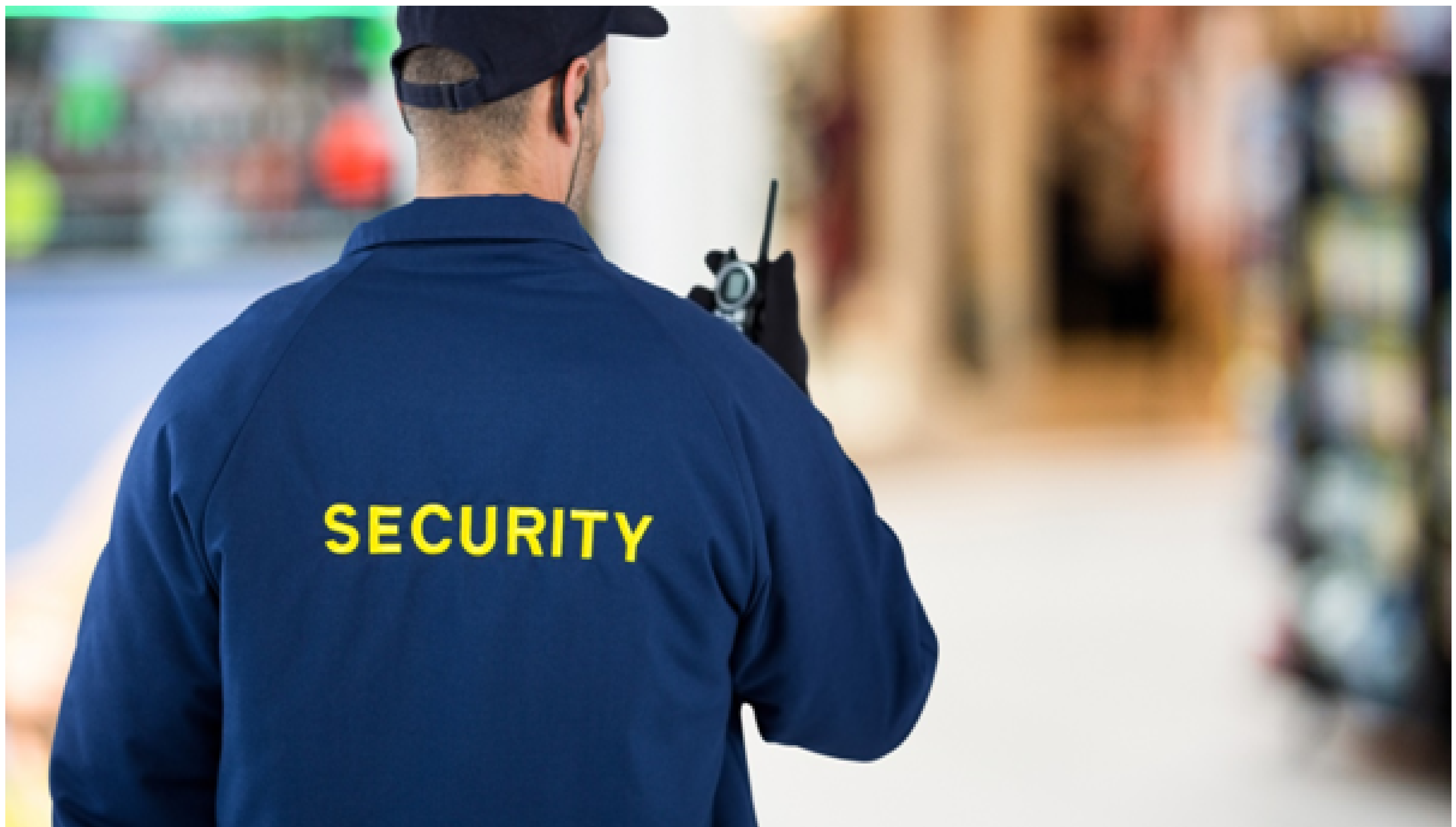
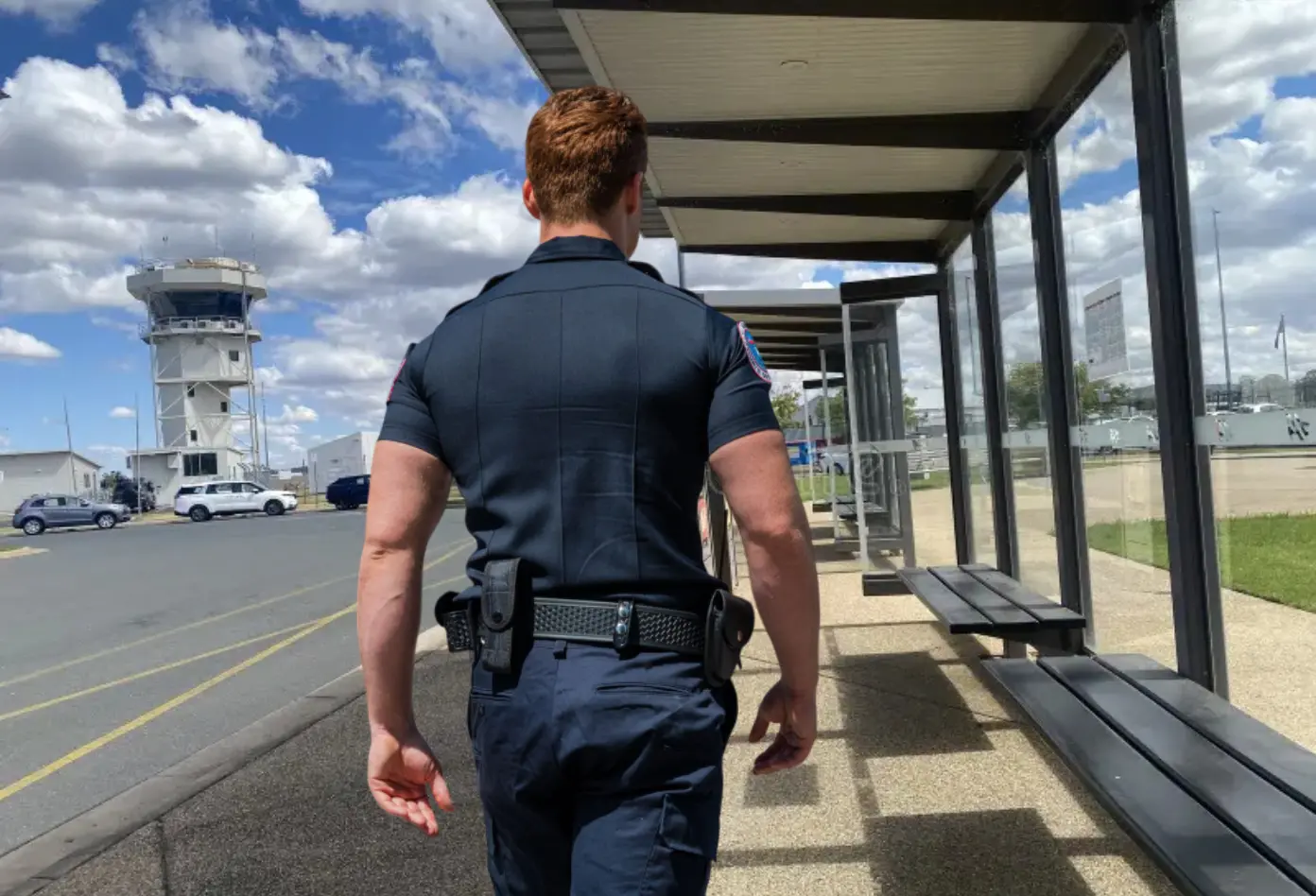
From LA Union Station and LAX intermodal connectors to San Diego’s trolley and bus exchanges, movement never stops. That’s why transit hub security services Southern California must deliver three things at once: visible deterrence that reassures riders, rapid verification to reduce false dispatches, and calm, coordinated responses that keep schedules on time. At City Wide Protection Services (CWPS), we fuse live monitoring, directed patrols, access and gate control, voice-down interventions, and clear run-books—so small problems stay small and major events are handled with precision.
A Layered Model Built for Busy Platforms
Protective Intelligence that Shapes the Day
We start with the data: time-of-day trends, event calendars, school schedules, construction phases, and historical incident logs. This view drives staffing windows, patrol checkpoints (stairs, elevators, ticketing, bus bays), and camera priorities (face/hand capture at chokepoints). The plan evolves weekly—because rider patterns and maintenance work do, too.
Verify Before You Roll
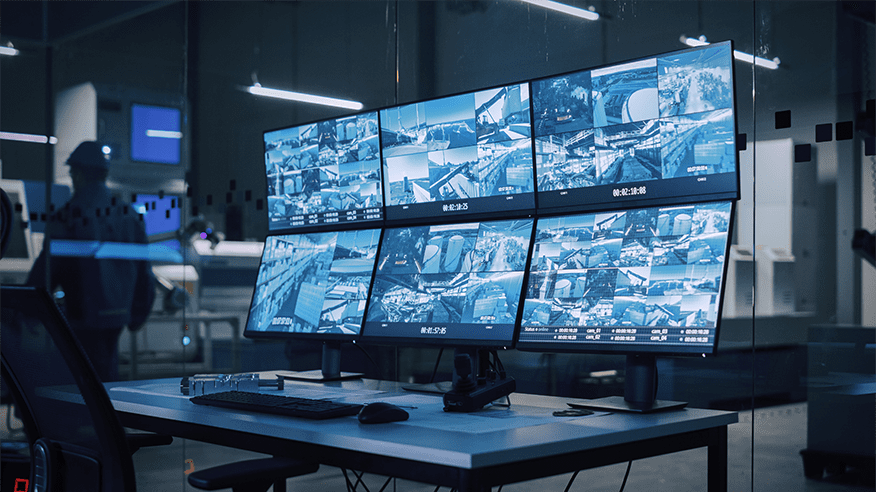
When analytics or alarms trip, operators review short pre/post clips, recent sensor history, and, where installed, issue a calm voice-down. Verified events route to the right resource: nearby patrol, supervisor, K-9 (where appropriate), facilities, or law enforcement per thresholds. This keeps transit hub security services Southern California both fast and accurate, lowering false-alert fatigue and improving arrival times.
Design the Space to Behave Safely
Small fixes compound: re-aim two cameras to remove glare, add “No Tailgating” signage at fare gates, trim a hedge blocking a lens, align platform lighting to eliminate shadow pockets, move a rope line two feet to improve sightlines. We log each change and track it in monthly KPIs so progress is visible to agencies and property owners.
LA Metro’s public safety updates summarize recent trends and the system’s multi-layered approach; their January 2025 report notes violent-crime rates per million boardings at the lowest level since Feb 2020—useful context for SoCal security planning.
What “Good” Looks Like at a Transit Hub
Clear Escalation Rules
One page every supervisor can carry: when to voice-down, when patrol rolls, when to call law enforcement, and who manages passenger messaging. We pair that with post orders that fit on a phone screen, not a binder.
Crowd-Aware Operations
Peak surges (game nights, flight banks, cruise transfers) demand different spacing, queuing, and radio traffic. Agents adjust stances and visibility while operators shift cameras to choke points and interchanges. The goal: safety that feels like hospitality.
Dignified, De-escalatory Contact
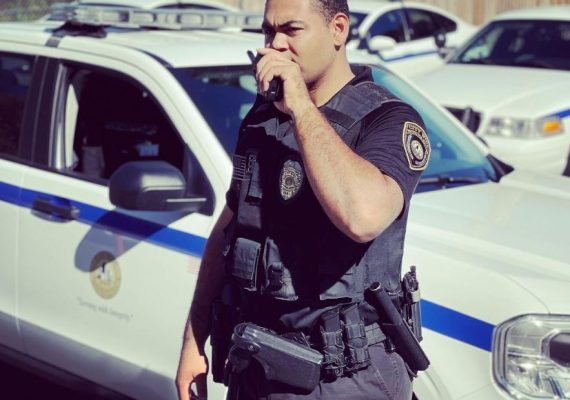
Transit is for everyone. Our officers use respectful scripts, clear instructions, and options that reduce friction. When thresholds are met, we coordinate cleanly with police—documenting handoffs, time stamps, and outcomes.
Five Steps to a Southern California–Ready Plan
- Map Hotspots by Hour – Stairs, elevators, fare arrays, bus bays, rideshare zones, parking entrances; inspect day, evening, and overnight.
- Tune Cameras for Faces & Hands – Entrances, validators, vending, and platform approaches; confirm time sync and retention.
- Align Patrols to Reality – Directed tours with must-hit checkpoints tied to rider surges and maintenance windows.
- Write Short Run-Books – Trigger → First 5 minutes → 60-minute plan → Stabilize; include voice-down scripts and evidence capture steps.
- Measure, Publish, Improve – Track alert-to-verify, verify-to-dispatch, on-scene arrival, false-alert reduction, and “repeat-cause fixes closed.”
Use Cases We Handle Every Week
Fare-Gate Tailgating and Platform Crowding
We combine analytics, signage, and officer presence at choke points; voice-downs nudge compliance while patrols reposition proactively. Weekly KPI reviews confirm whether gate timing and signage reduce violations.
Intermodal Transfer Surges
When airport shuttles or special rail events swell the concourse, we widen lanes, stage officers at turns, and pre-brief housekeeping and facilities. Riders feel ushered, not policed—and the schedule holds.
After-Hours Loitering and Vandalism
Calm engagement plus lighting tweaks and camera re-aims turn “dead zones” into well-watched corridors. Verified incidents get swift response and clean documentation for agency and insurer reports.
Elevator/Escalator Outages
Security coordinates with maintenance and customer service for detours and ADA alternatives, posts temporary signage, and monitors new choke points until normal flow returns.
KPIs Transit Owners and Cities Actually Use
- Alert-to-Verify (sec) – Operator recognition speed
- Verify-to-Dispatch (sec) – How fast the right resource is rolling
- On-Scene Arrival (min) – Measurable presence riders notice
- False-Alert Reduction (trend) – Less noise, better focus
- Repeat-Cause Fixes Closed – Lighting, angles, signs, gate timing
When these move the right way, riders and agencies feel the difference—and so do insurers.
Make Security Continuous, Not Episodic
Training in Small Reps
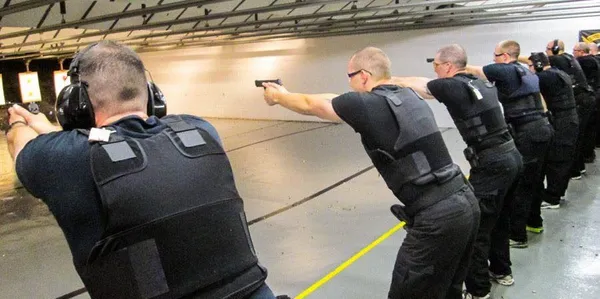
Ten-minute table-tops per shift (platform surge, fare dispute, elevator entrapment) make policy into muscle memory. Nights and weekends train too—because incidents don’t keep banker’s hours.
Evidenced, Not Just Asserted
We package time-stamped photos, short clips, and incident timelines with clean chain-of-custody. That makes claims, public reporting, and board briefings faster and more credible.
Integrate With Daily Ops
Our 24/7 SOC, patrols, and supervisors move as one team with your operations center, facilities, and customer experience staff. Security that flows with transit keeps riders moving and calm.
Related Internal Resource (Highly Relevant)
Transit plazas, bus exchanges, and rail concourses are public spaces with unique flows. For perimeter, queue, and crowd-flow strategies that pair perfectly with hub operations, see our Public Spaces Security overview—tight controls that still feel welcoming.
This dovetails with transit hub security services Southern California, ensuring design fixes and patrol routes are measured and maintained.
Why City Wide Protection Services
- Regional Scale — 350+ properties protected, 65,000+ responses since 2016, 30+ verifiable life-saving interventions since 2020.
- Integrated Stack — Live camera monitoring, access & gate control, directed patrols, and evidence-ready reporting tuned for high-traffic locations.
- Community-First — De-escalatory, courteous interactions that make riders feel safe without slowing their trip.
Ready to Make Your Hub Feel Safe and Work Smoothly?
Let’s tailor transit hub security services Southern California to your stations, transfer points, and schedules.
Call us: 888-205-4242
Email: [email protected]
We’ll map hotspots, tune cameras, stage posts, and publish KPIs that prove the system is getting safer—week after week.