When public safety is on the line, K-9 handler training programs California organizations choose need to produce confident, compliant, and highly effective teams. From multifamily communities to critical infrastructure, well-trained detection and patrol dogs—paired with disciplined handlers—can shorten response times, reduce false alarms, and deter crime in ways technology alone can’t match. This guide explains what a gold-standard California K-9 curriculum should include, how it aligns with statewide guidance, and how City Wide Protection Services (CWPS) helps clients benefit from professional K-9 deployments. California POST recently updated K-9 best-practice guidance for handler/team training, patrol, detection, and tracking—an excellent benchmark for quality.
Why K-9 Teams Still Outperform “Gadgets”
Modern K-9 programs remain a cornerstone of proactive security. Multiple studies and field programs have shown that detection dogs are fast, adaptable, and cost-effective compared with many single-purpose sensors. For example, peer-reviewed research has reported high correct indication rates for trained narcotics dogs, underscoring how expertly trained teams can deliver reliable results in complex environments. (Read more: ScienceDirect)
Federal partners also continue to invest in canine science and training aids. DHS S&T’s Detection Canine Program regularly publishes tools and guidance to help agencies improve training realism and efficacy—another signal that dogs, when trained and handled correctly, remain among the best real-time detection assets available.
What “California-Ready” Means in a K-9 Curriculum
An effective K-9 handler training program in California should map to recognized guidance and state safety expectations:
Core Competencies
- Detection & Patrol Foundations: Target odor imprinting, search patterns, cue/indication criteria, obedience under distraction, patrol tactics, and scenario-based drills. California POST’s K-9 documents highlight baseline competencies and team evaluation practices you should expect to see in any credible course.
- Handler Judgment & Search Planning: Training should teach handlers to manage bias, document decisions, and control scenes. Research shows handler expectations can influence performance; good programs teach methods to reduce that risk.
- Health & Welfare: Conditioning, veterinary screening, hydration/heat protocols, and safe transport. California health/safety rules and general worker-safety guidance reinforce the duty to protect both employees and animals during work.
Policy, Safety, and Compliance
- Policy Alignment: Courses should help agencies craft K-9 policies and qualification schedules that meet or exceed current POST guidance—a standard now reflected in statewide policy discussions.
- Handler Safety: PPE, bite-work safety zones, and transport requirements; humane, escape-preventing transport is explicitly addressed in California statutes governing guard/sentry dogs.
Realistic Training Aids & Environments
- Non-Detonable Training Aids: For explosive-detection training, programs should use vetted inert aids and best-practice storage/chain-of-custody protocols—an area where DHS S&T continues to publish market surveys to keep responders informed.
How CWPS Builds High-Reliability K-9 Teams
CWPS designs K-9 deployments around your environment and risk profile—multifamily communities, corporate campuses, distribution yards, or special events. Our approach emphasizes:
1) Mission-Driven Design
We begin with a threat and use-case assessment: narcotics interdiction in parking structures, patrol presence in high-risk corridors, or special event support. We then pair the appropriate canine (patrol vs. detection) with handler competencies, schedule, and escalation protocols.
2) Scenario-Based Reps
We train for the real world: multi-odor searches in mixed-use garages, stairwells, elevators, landscaping, and vehicle bays; patrol transitions from high-visibility deterrence to controlled intervention. Handlers practice decision-making under time pressure—so when an alert occurs, they move cleanly from indication to evidence preservation or law-enforcement coordination.
3) Documentation & Accountability
Every deployment is supported by digital report logs, alert documentation, body-worn camera integrations (when authorized), and clear pass-down notes—so property managers and GMs always have the paper trail they need.
4) Welfare & Longevity
We prioritize canine health (conditioning, rest cycles, veterinary checks) and handler safety routines. Healthy teams train better, perform longer, and deliver steadier results—consistent with findings from national working-dog programs.
Choosing a Training Partner: A Quick Checklist
Use this shortlist to evaluate K-9 handler training programs California security leaders can trust:
- Alignment with POST Guidance: Ask to see how the syllabus maps to POST’s K-9 recommendations—basic training hours, team evaluations, tracking/detection modules, and annual qualification plans.
- Instructor Credentials: Look for instructors with operational deployments (not just classroom hours), plus policy development experience (SOPs, liability reduction).
- Evidence-Based Methods: Programs should cite current canine science, incorporate double-blind detection exercises, and use appropriate training aids.
- Safety Protocols: Transport, muzzling when required, bite-suit safety, heat mitigation, and handler PPE should be explicit.
- Documentation & QA: Look for standardized training logs, alert validation procedures, and performance reviews (sensitivity/specificity over time).
Where K-9 Adds the Most Value
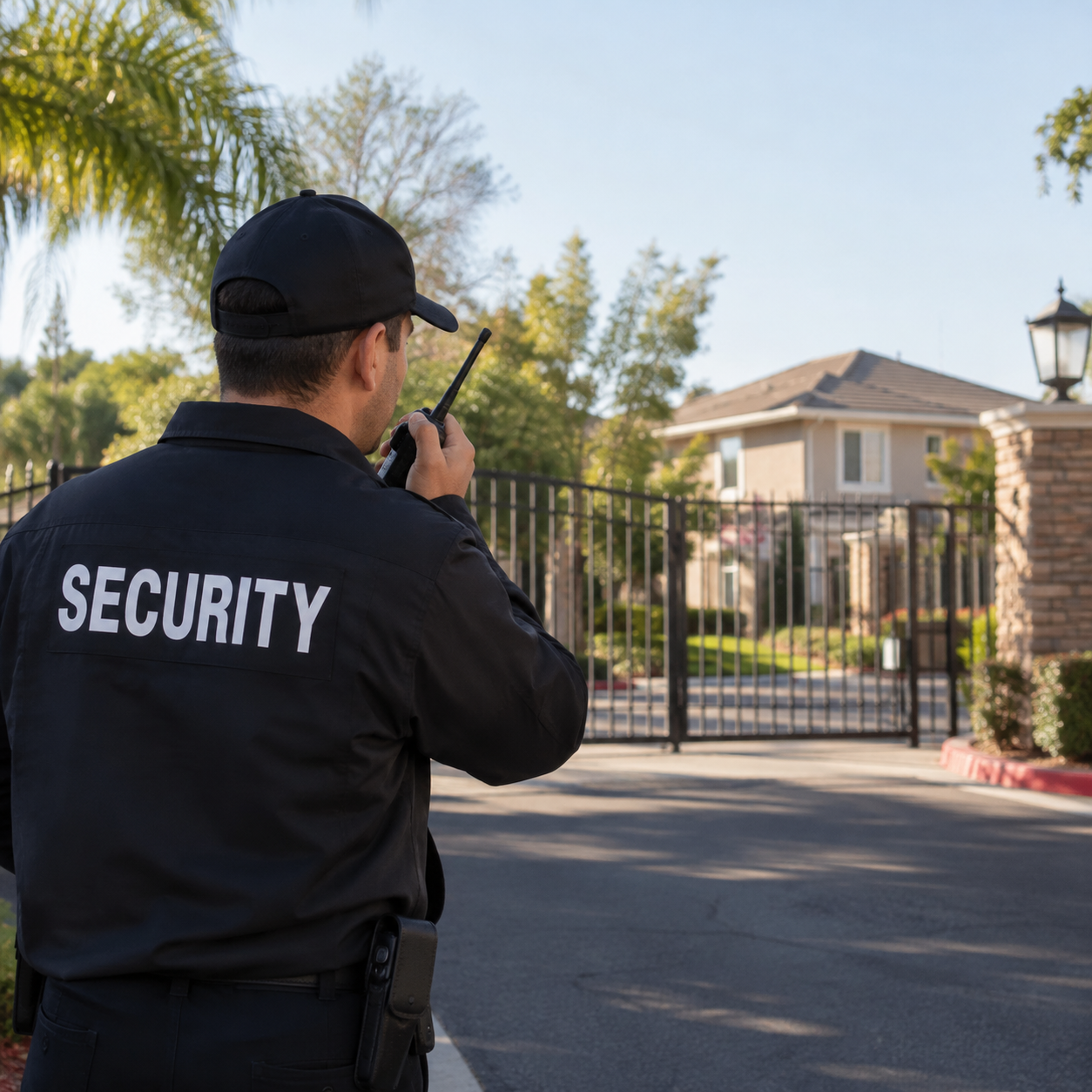
- Multifamily & Gated Communities: High-visibility patrols plus narcotics-deterrence in garages, amenities, and access points. See how this integrates with our broader service model in our internal guide on San Diego Security Guard Services.
- Commercial & Industrial Sites: Yard checks, perimeter sweeps, and vehicle/parcel screening to reduce theft and contraband risks.
- Event Security: Queue-line deterrence and targeted sweeps of back-of-house areas without slowing entry.
Getting Started with CWPS K-9
If you manage a property or portfolio in California and want a compliant, results-driven K-9 program, CWPS can help you scope the mission, define handler qualifications, set auditing intervals, and stand up the SOPs that keep teams sharp and accountable.
Call or email us to design your program:
Call us: (888) 205-4242
Email: [email protected]