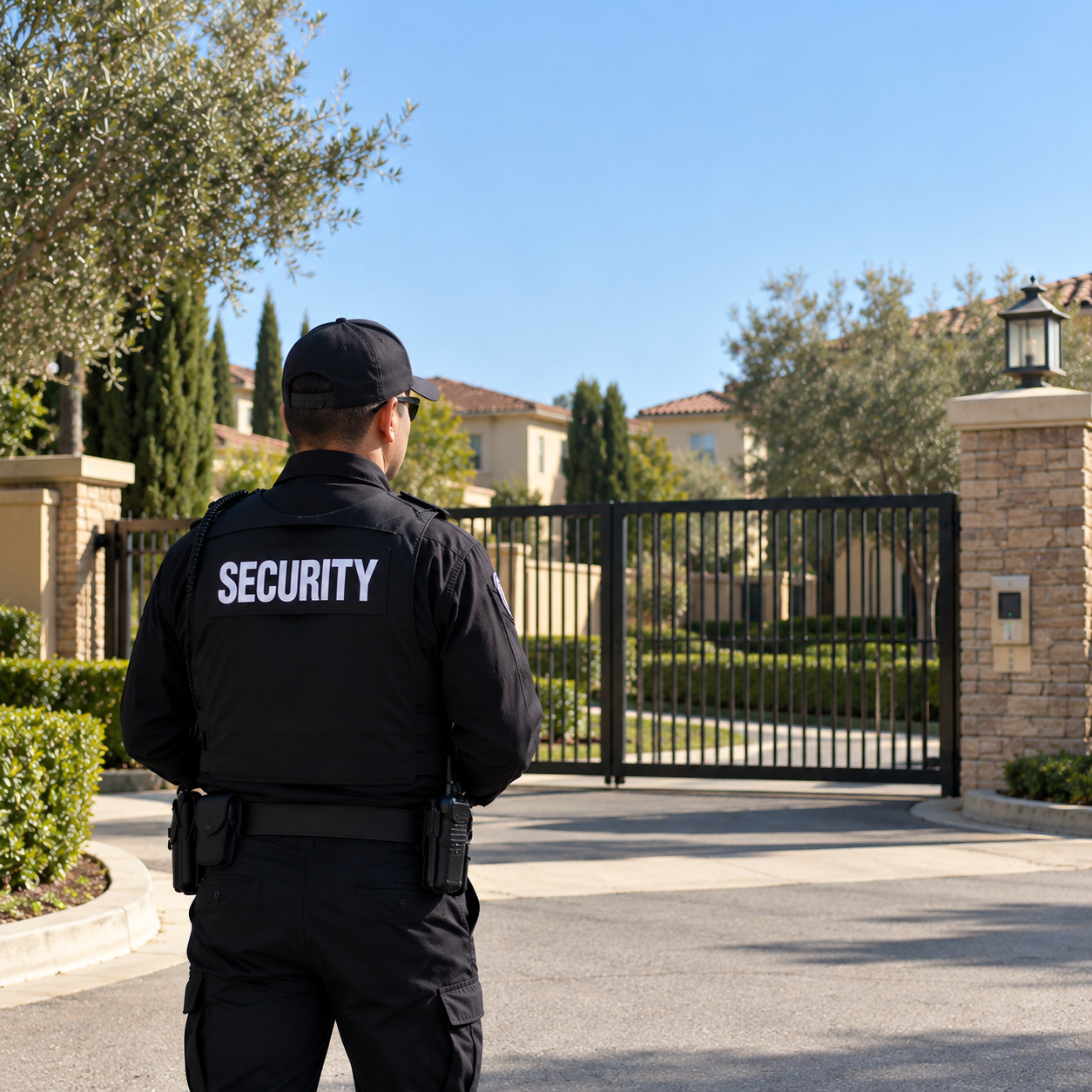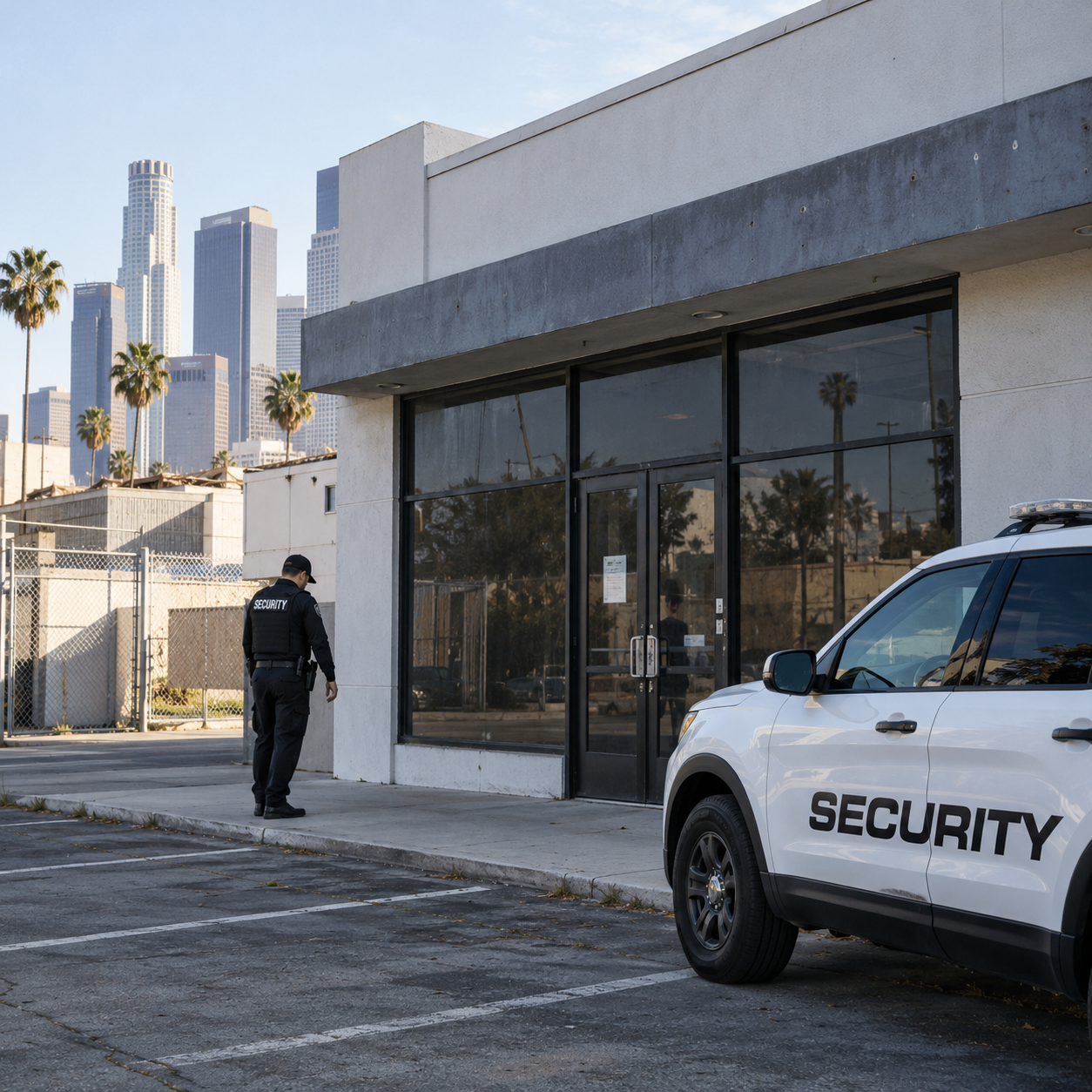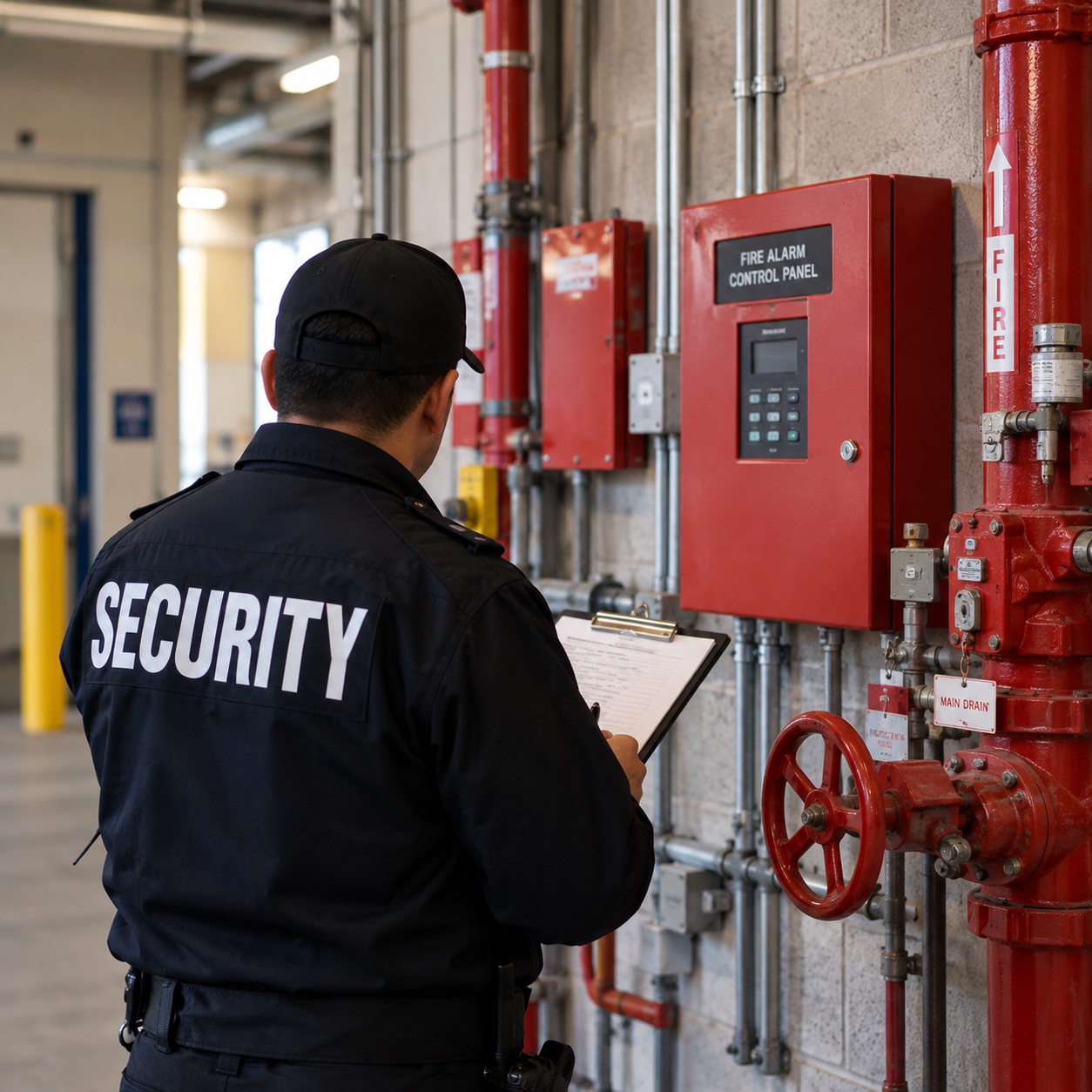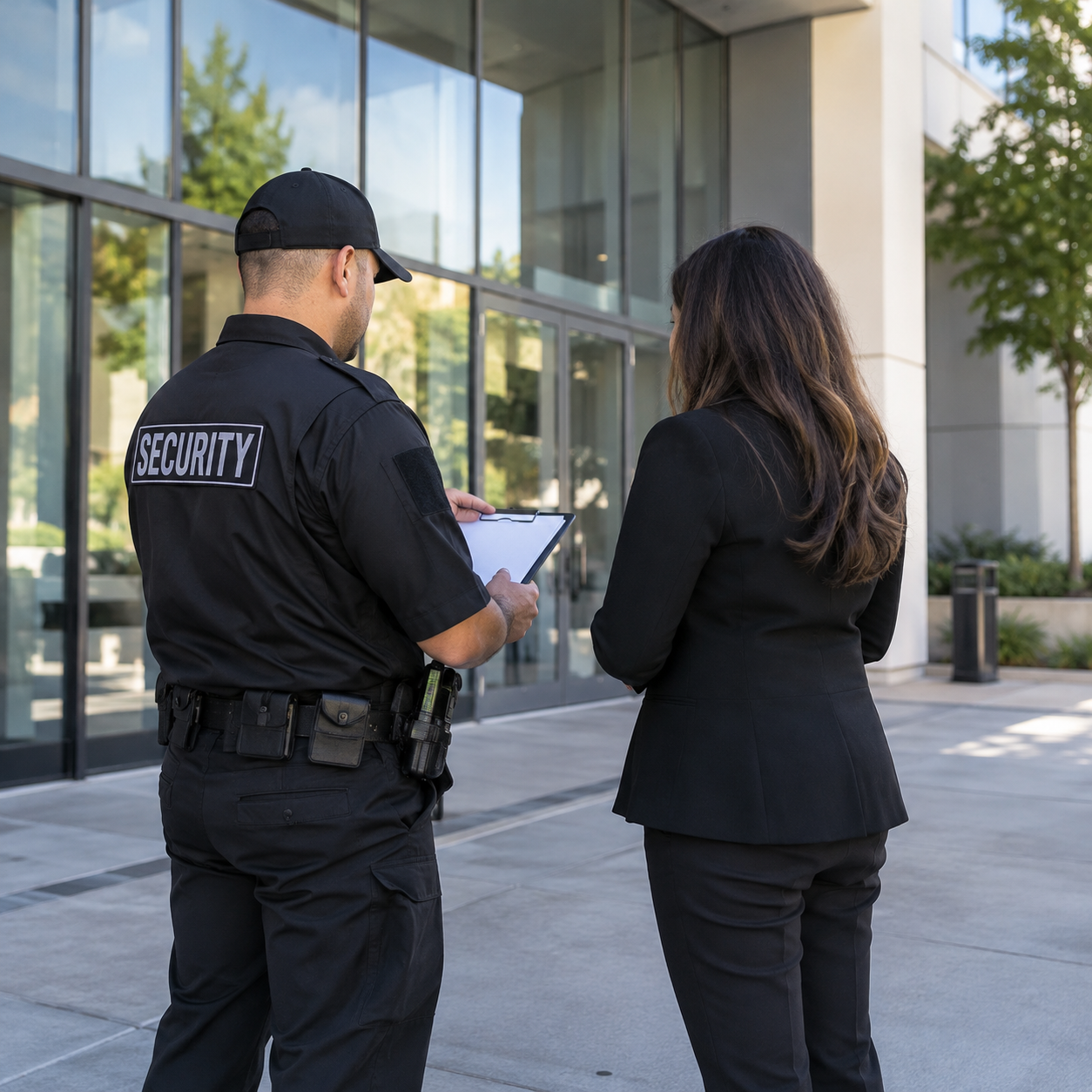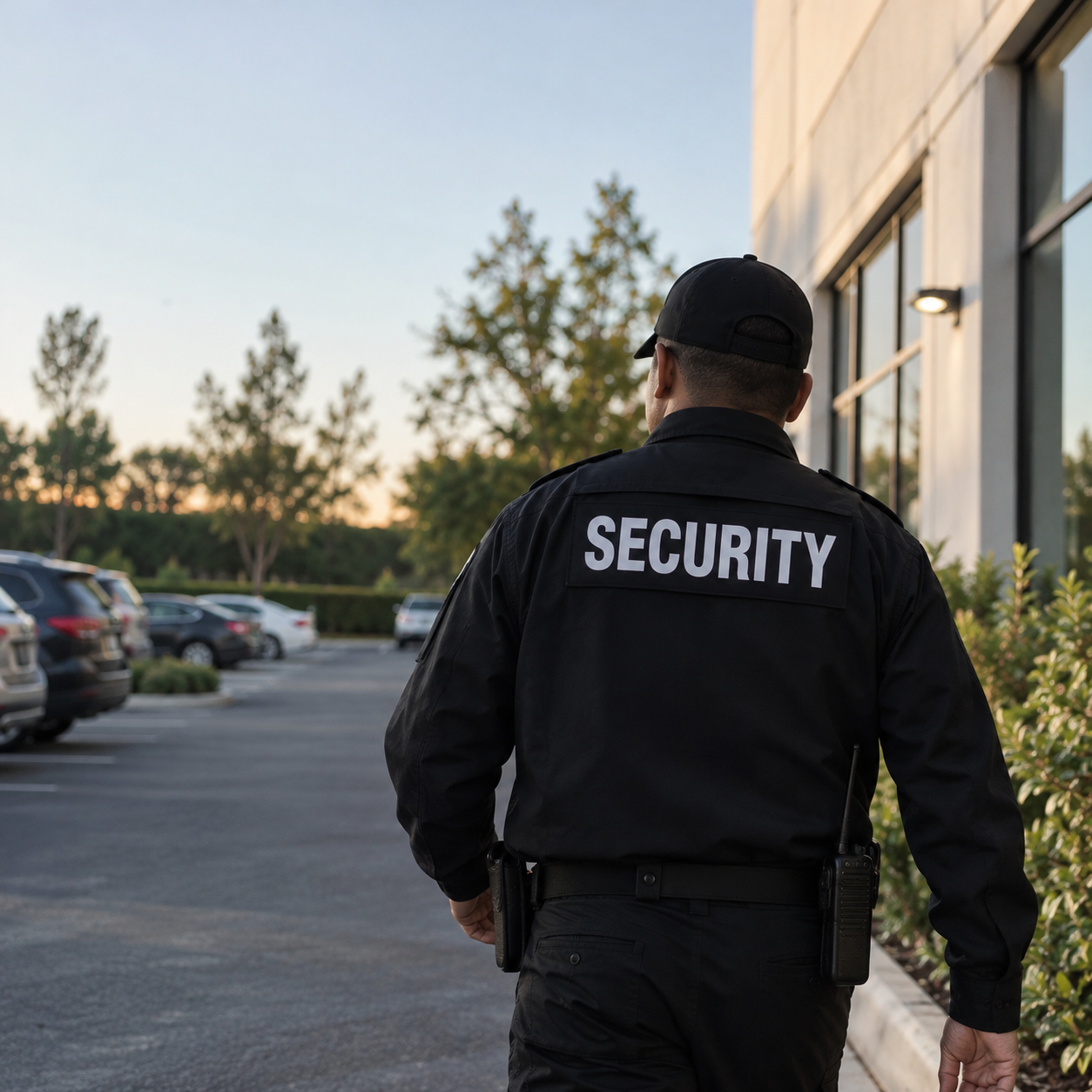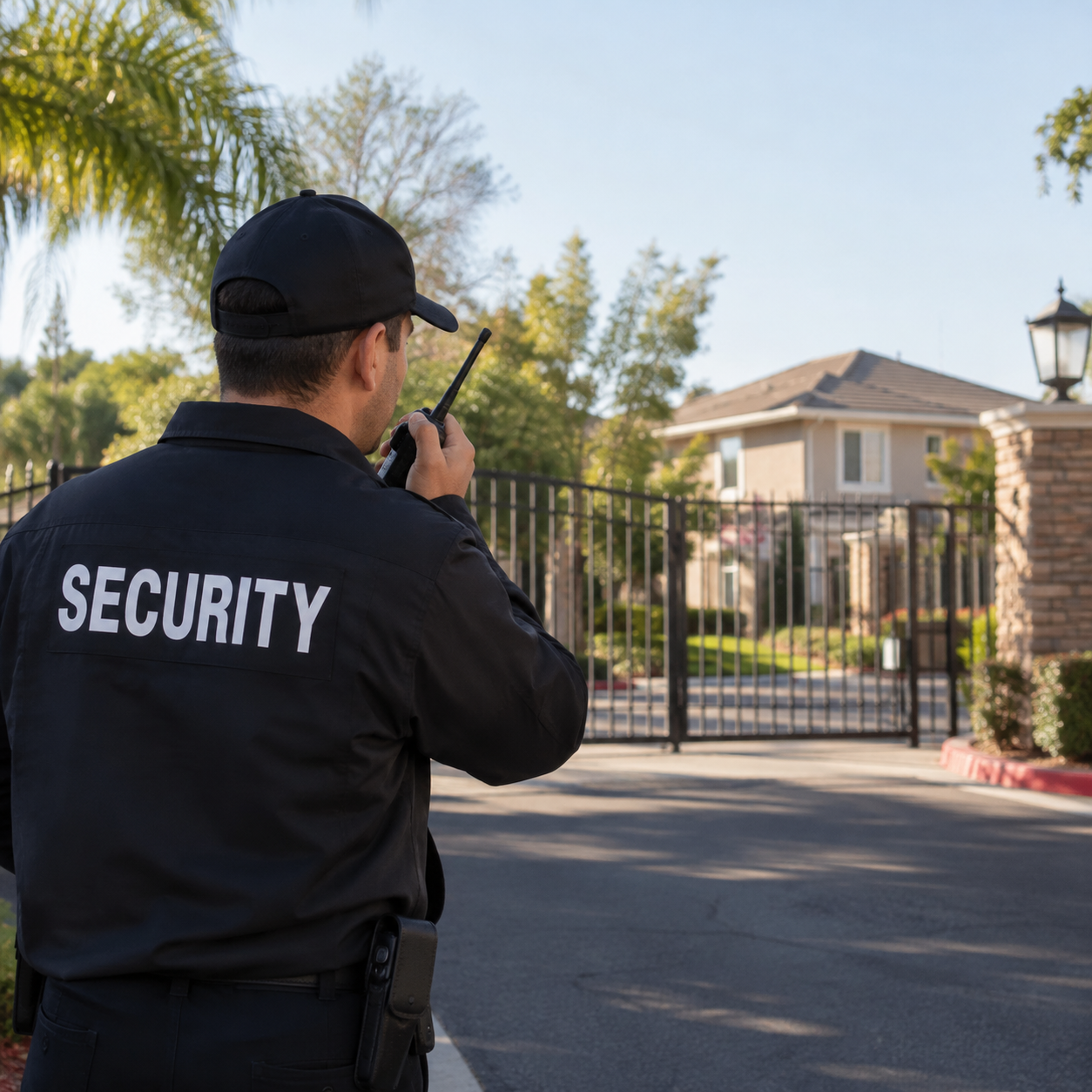
When a building’s fire alarm or sprinkler system goes down, minutes matter. That’s where professional Fire Watch Guards San Diego relies on to step in—patrolling, detecting hazards early, and triggering fast response until protection systems are restored.
Why Fire Watch Matters in San Diego
Fire code officials can require a fire watch whenever a required fire protection system is impaired or out of service. The City of San Diego specifically notes that a fire watch may be required when a system is down and provides contacts for notifications and next steps, underscoring how common and time-sensitive these situations are. San Diego Official Website
National standards reinforce this urgency. The California Fire Code (CFC §901.7), as applied by major California jurisdictions, requires either evacuation or an approved fire watch when a required system is out of service; guidance from San Francisco’s fire authority and the state health-care construction office (HCAI) illustrates how authorities apply this rule in practice.
What a Professional Fire Watch Does (and Doesn’t) Do
A compliant fire watch isn’t a receptionist with a flashlight. It’s a trained, dedicated patrol that continuously monitors all affected areas, documents rounds, and initiates emergency procedures the moment risk appears. Many California fire agencies specify 15-minute patrols for sleeping or assembly occupancies and 30-minute patrols for other facilities, plus mandatory logs and written release by the fire department before the watch ends.
Beyond local direction, national life-safety guidance explains when an approved fire watch substitutes for full evacuation—e.g., when a required fire alarm is out of service for more than 4 hours in a 24-hour period. Similarly, when sprinklers are impaired for extended periods, a fire watch is commonly required until systems are restored.
Our Approach: Code-Aligned, Response-Ready
City Wide Protection Services (CWPS) delivers fire watch that maps tightly to authority-having-jurisdiction (AHJ) expectations:
- Dedicated patrol coverage: We assign trained fire watch officers whose sole duty is hazard detection, occupant notification, and 911 escalation—no split responsibilities.
- Interval-driven rounds: 15- or 30-minute patrol intervals, matched to occupancy type and AHJ instructions, with redundant reminders to prevent missed checks.
- Documentation you can hand to the inspector: Time-stamped route plans, digital logs, impairment tags at FDCs and panels when required, and daily summaries for your records.
- Integrated notification protocols: Immediate coordination with building management, monitoring centers, and fire authorities, consistent with San Diego’s published process for systems out of service.
- 24/7 coverage and rapid add-on staffing: Scale from a single post to multi-building watches in hours, with relief officers scheduled in advance.
When You Need a Fire Watch—Common Triggers
- Fire alarm offline for planned maintenance or unexpected failure (e.g., panel replacement). AHJs often require an approved fire watch if outage exceeds four cumulative hours in a day.
- Sprinkler system impairments (valves closed, water supply interrupted, pump offline). Extended outages typically trigger a watch until service is restored.
- Hot work operations near combustibles, where OSHA requires a “fire watcher” during and after the work to catch smoldering starts.
- Construction, demolition, and tenant improvements that temporarily compromise protection systems; state guidance cites CFC §901.7 and related sections during these phases.
H2H3H4 Example below: Keeping You Open—Safely
Business Continuity Without Compromise
A properly staffed fire watch can keep operations running while your vendor restores the alarm or sprinklers—avoiding costly shutdowns and tenant displacement—so long as the AHJ approves the plan.
What Our Officers Carry and Check
Our fire watch officers are trained to move with purpose: inspecting egress routes, stairwells, utility rooms, attics, and concealed spaces; verifying extinguisher presence; listening for unusual sounds or smelling smoke; and confirming doors and exits remain operable. Their logs include route, time, findings, corrections, and notifications—recordkeeping most California fire departments expect.
From Watch to Normal Operations
When your system returns to service, we help you complete impairment tags, finalize logs, and notify the fire authority or monitoring center as the AHJ dictates—closing the loop with clear documentation.
Fire Watch vs. Courtesy Patrol—What’s the Difference?
You may already use a courtesy patrol to deter nuisance issues. That’s valuable—especially at night—but a fire watch is a distinct, code-driven assignment with tighter intervals, specialized documentation, and emergency notification obligations. For a broader view of routine property patrols, see our coverage of San Diego courtesy patrol services. This distinction matters during inspections and insurance reviews.
Integrating Monitoring and Response
While a fire watch is an on-site human safeguard, pairing it with robust monitoring shortens the window from detection to dispatch. If you’re updating your program, consider our article on San Diego Alarm Monitoring Services to see how monitored alerts and automated notifications complement watch patrols.
How CWPS Reduces Your Risk Today
- Rapid deployment: Local teams across San Diego and Orange County.
- Hybrid responder fleet: Police-style, high-visibility vehicles that increase deterrence while officers perform rounds.
- 24/7 supervision & QA: Live oversight, random spot checks, and digital audit trails that stand up to AHJ review.
- Seamless handoff: We coordinate with your alarm/sprinkler vendor and property manager to align timelines and sign-offs.
Need compliant fire watch coverage now? Call (888) 205-4242 or email [email protected] for immediate scheduling and a written fire watch plan aligned with your AHJ.