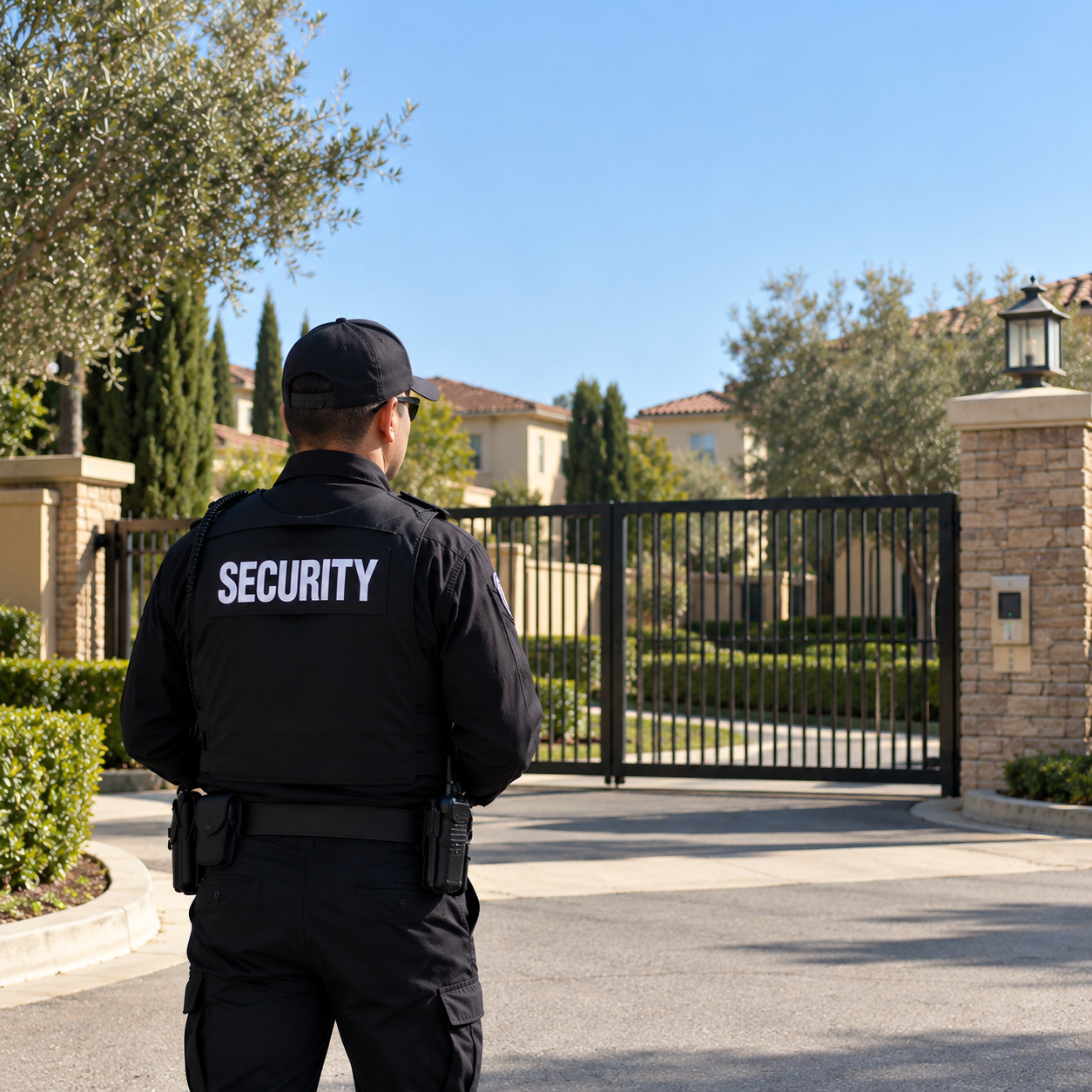
Workplace violence prevention training for businesses is no longer optional—it’s foundational risk management. From harassment and threats to physical assaults and active‐threat scenarios, a single incident can shatter morale, halt operations, and expose your company to costly liabilities. The good news: evidence-based training, clear policies, and realistic drills dramatically reduce risk, improve response times, and protect your people and brand.
Why prevention training matters now
Workplace violence spans a spectrum—verbal abuse, intimidation, threats, and physical harm. Federal safety guidance underscores that a zero-tolerance policy, hazard assessment, and tailored training are among the most effective ways to lower risk. OSHA notes that violent acts remain a significant contributor to workplace fatalities and points employers to comprehensive prevention programs that combine policy, engineering controls, administrative controls, and training. For deeper background and current data, review OSHA’s overview and program guidance.
Beyond policy, training equips staff to recognize warning signs (e.g., escalating behavior, fixation, leakage of intent), report early, and respond with calm, practiced actions. That readiness shortens the time from recognition to intervention—and that window is everything.
Training pillars that work
1) Policy & reporting clarity
Your written workplace violence prevention plan should define prohibited behaviors, spell out reporting channels (including anonymous options), and outline how incidents are investigated and addressed. Employees need to know exactly how to report concerns and what happens next.
2) Threat recognition & de-escalation
Frontline staff, supervisors, and reception teams benefit from scenario-based modules that teach verbal and non-verbal de-escalation, distance and positioning, and safe exits. Training should include role-plays that mirror your environment (lobbies, loading docks, clinics, sales counters, after-hours), plus checklists for decision-making under stress.
3) Active-threat readiness
While rare, active-threat events are high-impact. Fuse your company’s procedures with authoritative national guidance and conduct table-tops plus live drills at the cadence your risk profile requires. The Cybersecurity & Infrastructure Security Agency (CISA) provides plain-language planning resources and drill templates that integrate well with corporate programs.
4) Environmental & procedural controls
Layer training with physical measures: access control, visitor vetting, panic alarms, camera coverage of choke points, and controlled egress. Pair these with administrative controls—two-person closes, cash-handling protocols, and lone-worker check-ins—aligned to your risk assessment.
5) Post-incident care & learning
Effective programs don’t stop at response. Build in immediate support (EAP referrals, peer support), rapid fact-finding, and lessons-learned debriefs that update procedures, floor plans, rally points, and training content.
What great training looks like
Tailored content. A clinic, warehouse, biotech lab, and Class-A office all face different risk factors. Use pre-training surveys, incident history, and local crime trends to tailor scenarios.
Multi-audience tracks. Create tracks for executives (governance & liability), managers (policy enforcement, documentation), frontline employees (recognition & response), HR (threat reporting & follow-up), and security teams (tactics, coordination with law enforcement).
Blended delivery. Mix live instruction, micro-learning videos, job aids, tabletop exercises, and unannounced drills. Reinforce quarterly with 10-minute refreshers.
Measured outcomes. Track participation, scenario scores, incident reporting volume (often rises as culture improves), time-to-notify, and drill performance. Share improvements to strengthen safety culture.
CWPS: training built for real-world conditions
City Wide Protection Services (CWPS) trains with the same operational mindset we bring to patrol and response. Our approach blends classroom instruction with practical drills in your real environment—so your team practices on the actual stairwells, doors, corridors, loading bays, and reception areas they use every day. We also align with your HR policies and EHS programs to keep messaging consistent and defensible.
Core modules we deliver
- Policy, roles & reporting: Zero-tolerance expectations; confidential reporting; manager checklists.
- Behavioral threat recognition: Pre-incident indicators; stalking/harassment patterns; documentation.
- De-escalation skills: Tone, stance, space, exits; scripts for common triggers (denied service, delays, billing disputes).
- Active-threat options: Movement, barricading, communications, coordination with law enforcement; reunification.
- Environmental drills: Evac routes, lockdown procedures, stop-the-bleed basics, alarm and PA workflows.
- After-action & recovery: Psychological first aid, evidence preservation, and communications.
Integrate training with security operations
Training outcomes are strongest when reinforced by daily operations. Tie the program to your access control rules, camera monitoring, and dispatch procedures—so employees know what happens after a panic button press or a report through your incident app.
If you’re building or updating emergency protocols, explore our Emergency Response Security guide—perfect for connecting training to on-the-ground response plans used during medical events, threats, and after-hours incidents. (This is one of our previously published resources and makes an ideal internal primer.)
Data point: why investment pays off
Workplace violence remains a serious, measurable risk across industries. OSHA’s topic summary (drawing on BLS data) reports hundreds of workplace fatalities associated with violent acts each year in the U.S., reinforcing the need for robust prevention programs. For current national statistics and prevention guidance, review OSHA’s workplace violence overview and prevention resources.
Implementation roadmap
Week 1–2: Assess & align
- Review incidents, near misses, property layouts, and shift patterns.
- Confirm policy language, reporting channels, and disciplinary pathways.
Week 3–4: Build content
- Draft role-specific modules.
- Customize scenarios for reception, customer-facing teams, field staff, and supervisors.
Week 5–6: Deliver & drill
- Train managers first; then all employees.
- Run a tabletop followed by a short, unannounced drill.
- Capture metrics; schedule quarterly refreshers.
Ready to protect your people?
CWPS can design and deliver a complete workplace violence prevention training program tailored to your company, with integrated response protocols and post-incident support.
Call us: (888) 205-4242
Email: [email protected]