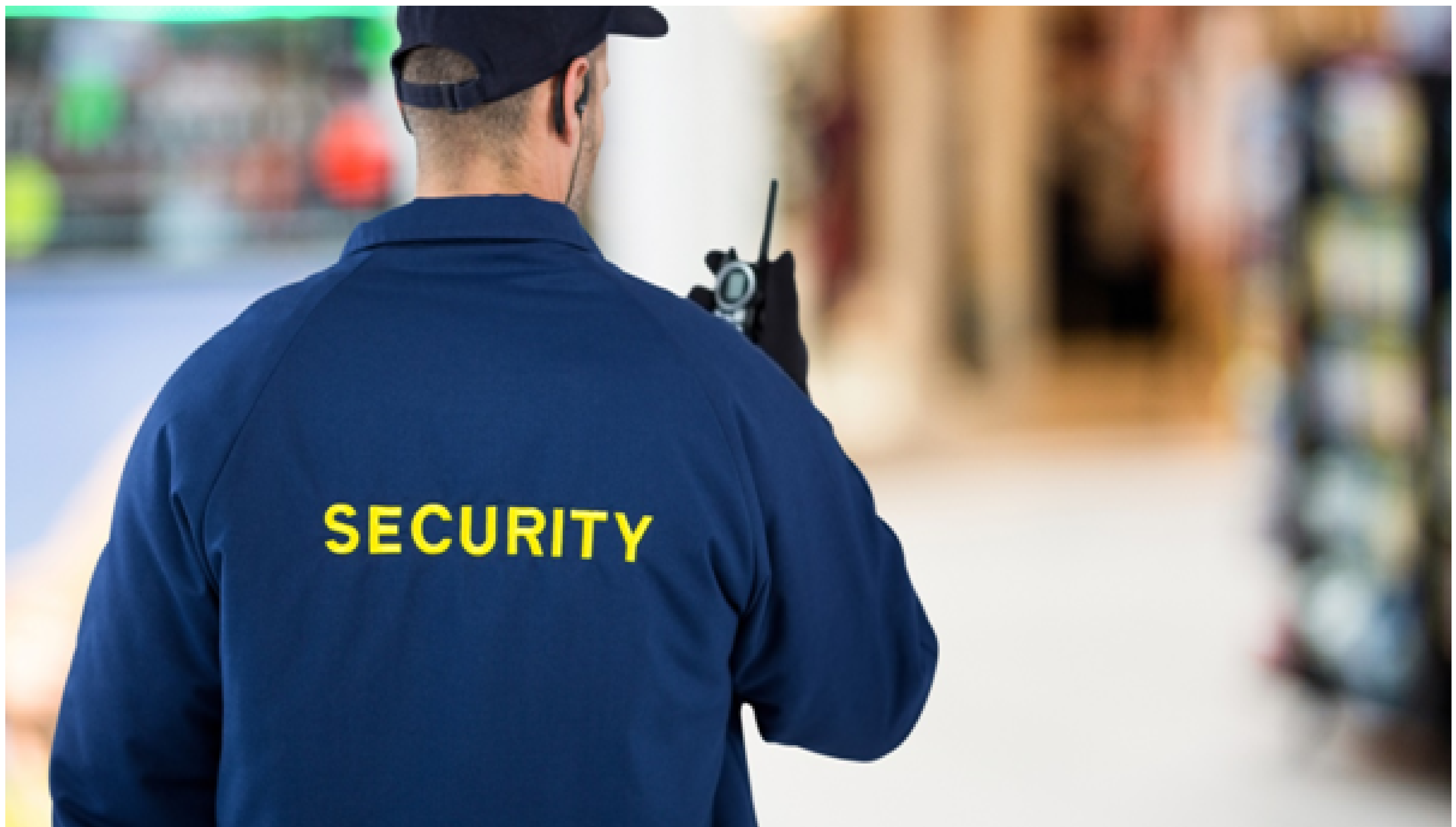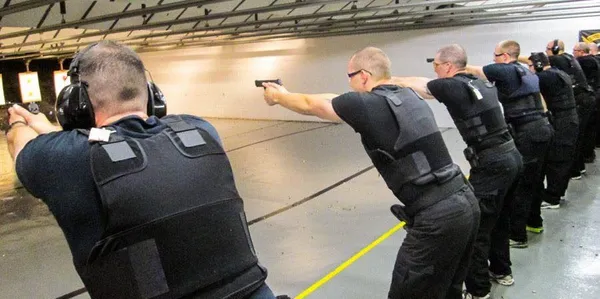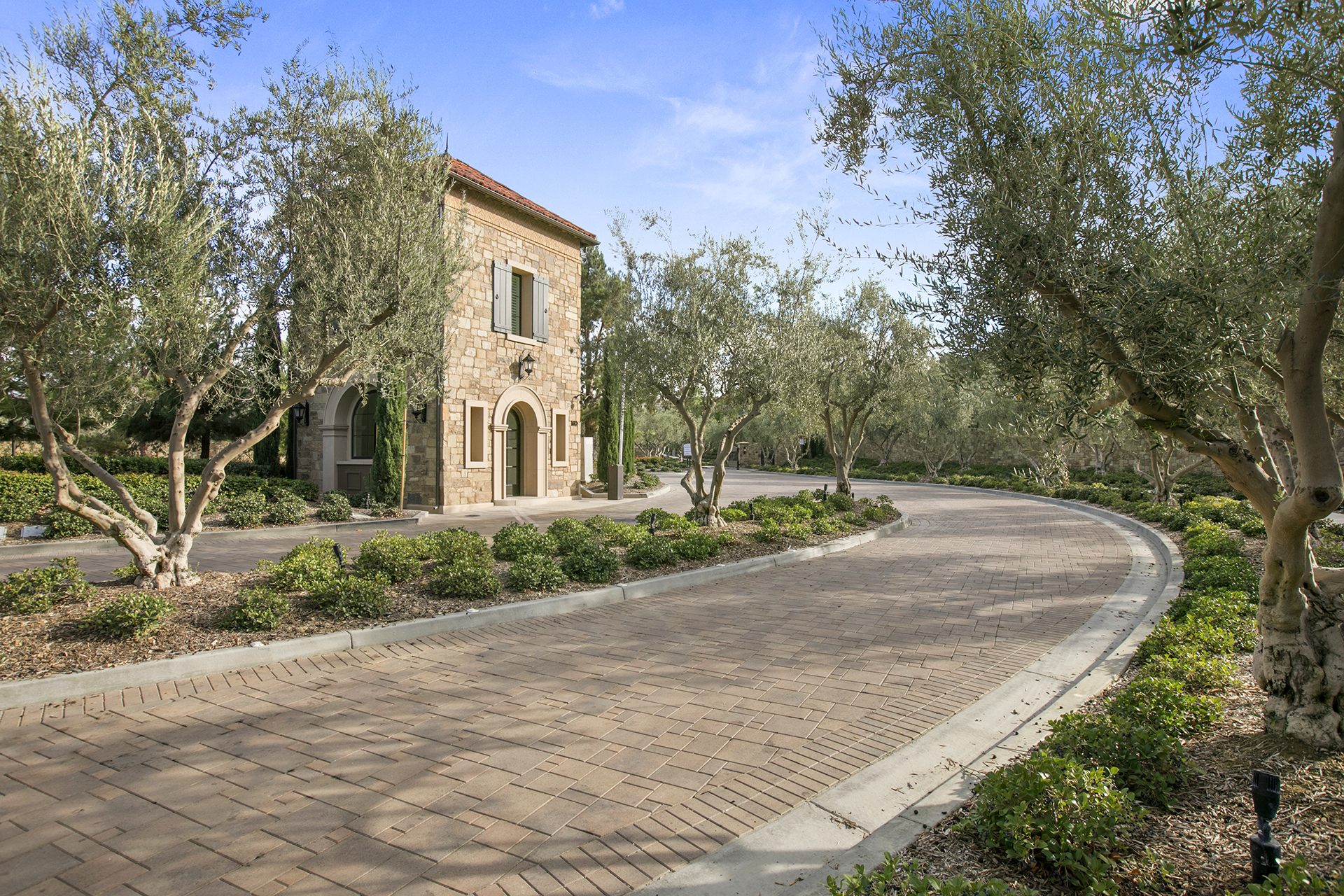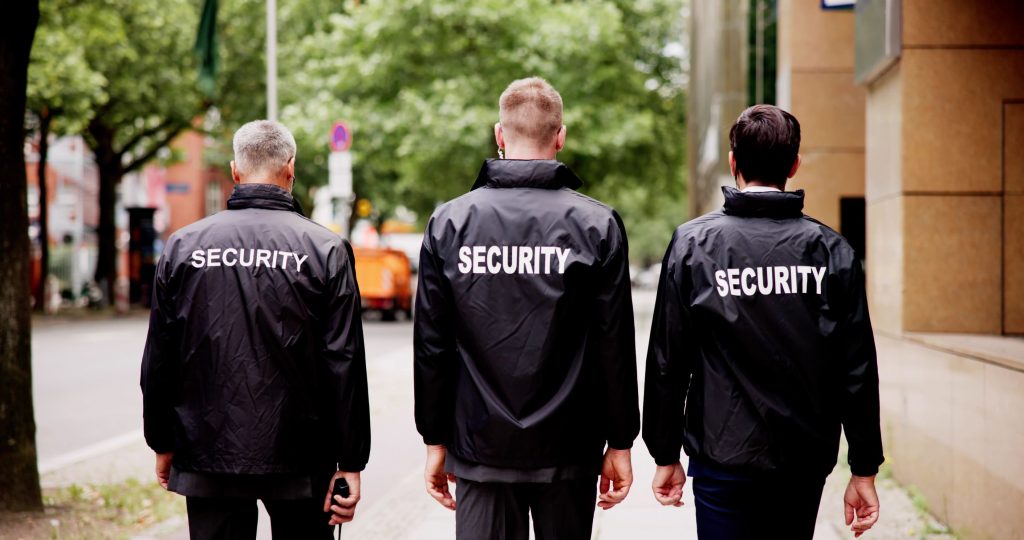
Los Angeles is home to thousands of mixed-use campuses from El Segundo to the San Fernando Valley, and business park security patrols Los Angeles managers rely on are evolving as quickly as the city itself. Whether your park blends offices with light industrial, R&D labs, or last-mile logistics, the stakes are the same: deter theft and trespass, reduce liability, and keep tenants productive without friction. In this guide, we outline a layered, standards-driven approach to patrol operations—what to deploy, how to measure it, and where to optimize your budget.
Why Business Parks Need Layered Patrols
A business park is not a single target; it’s a network of parking areas, loading docks, pedestrian pathways, lobbies, stairwells, and shared amenities—each with distinct risks and traffic patterns. Effective business park security patrols Los Angeles programs use overlapping controls: visible deterrence (marked mobile units), controlled access (badges and gates), real-time detection (cameras and analytics), and swift response (on-site or roving guards).
Security professionals often describe this as “defense in depth.” Federal guidance emphasizes layered measures—access control, surveillance, and response—to reduce opportunity and shorten incident duration. For a concise overview of physical security layering you can review CISA/ISC best-practice resources.
Patrol Models That Work in L.A.
Mobile Patrol “Loops”
Marked vehicles circulate on timed and randomized loops, documenting hot spots like rear alleys, dock doors, isolated stairwells, and rooftop access points. Variability (never the same route twice in a row) defeats pattern-watchers.
Foot & Bike Patrols
On foot or bicycle, officers can hear and see what cameras miss—tailgating at doors, propped exits, or suspicious loitering. In denser campuses (Pasadena, Culver City, Westside), blend these with lobby desk posts for visitor screening.
Hybrid Patrol + Remote Guarding
Pair fewer, smarter on-site patrols with 24/7 camera monitoring. Analytics flag perimeter breaches, after-hours motion in courtyards, or vehicles idling at loading docks. A remote operator can issue an audio challenge and dispatch your patroller in seconds.
Smart mix: 1 mobile unit + 1 foot post + camera talk-downs after hours often outperforms a second daytime post.
A 7-Layer Patrol Blueprint
- Perimeter & Parking
Patrol vehicle loops, plate scans at entries, lighting checks, and landscaping audits (sightlines matter). - Access Control
Gate and badge audits, tailgate watch, contractor credentialing, and visitor log reconciliation. - Common Areas
Lobby presence at start/end of business day, stairwell/roof checks, restroom and break-area pass-throughs. - Loading & Logistics
Escort high-value deliveries, seal checks, dock door integrity, and lock-up verification. - Cameras with Intervention
Live monitoring during risk windows (8 p.m.–6 a.m.), with scripted talk-downs and auto-dispatch. - Incident Response
Clear SOPs for trespass, suspicious vehicles, vandalism, fire alarms, and medical calls; time-stamped, photo-rich reports. - Continuous Improvement
Monthly risk reviews with incident heatmaps, response times, and “top 5 fixes” (locks, lighting, signage, procedures).
Post Orders That Drive Results
Well-written post orders turn goals into repeatable actions. For business park security patrols Los Angeles properties, make sure your orders specify:
- Patrol cadence by zone (A/B/C priority with minimum passes per hour).
- Door and gate tests (randomized) with “challenge and verify” scripts.
- Dock protocols (arrival logs, seal numbers, photo documentation).
- After-hours visitor handling (badge, escort, sign-out).
- Report standards (GPS stamps, photos, incident codes).
- Escalation ladder (remote operator → on-site supervisor → property contact → law enforcement).
Tie each task to a metric (see below) so you can tune staffing and routes.
What to Measure (and Share with Tenants)
- Patrol Coverage: zones checked vs. scheduled; GPS breadcrumbs.
- Interventions: talk-downs issued, trespass contacts, loitering cleared.
- Response Time: dispatch-to-arrival for alarms and live camera events.
- Access Exceptions: tailgates prevented, propped doors corrected.
- Maintenance Findings: lighting outages, camera obstructions, lock failures.
- Outcome Trends: incidents per 100k sq ft by month, heatmaps by hour/day.
Publishing a one-page monthly dashboard builds trust and can justify budget shifts (for example, reducing daytime coverage to expand after-hours monitoring).
Budget Optimization: Where Patrols Pay Off
- Targeted Hours, Not Just Headcount
Shape coverage around your incident heatmap. Many parks see spikes 10 p.m.–4 a.m.; moving one daytime shift to nights can cut trespass by double digits. - Camera-Led Response
Live monitoring + audio deterrence compresses the timeline from detection to intervention. It also reduces false patrol dispatches because operators verify events. - License Plate Recognition (LPR)
Even a single LPR lane at the main entry helps identify repeat offenders, tow-eligible vehicles, or BOLO plates. It also deters catalytic-converter crews that canvas parking lots. - Tenant Engagement
Quarterly 30-minute briefings—door integrity, delivery protocols, visitor management—often produce the quickest incident reductions.
Sample 24/7 Patrol Schedule (L.A. Two-Loop Model)
- 0600–1000: Lobby presence + loading dock oversight; foot patrol checks roof/stairwells.
- 1000–1800: Single mobile loop, visitor verification at peaks, parking enforcement.
- 1800–0200: Two mobile loops + remote talk-downs; randomized perimeter sweeps every 30–45 minutes.
- 0200–0600: One mobile loop + camera-led alarm response; focused on lots, docks, and utility enclosures.
Integrations That Elevate Patrols
- Access & Gate Monitoring: Pair badge activity with patrols to catch tailgates in real time.
- Remote Video Guarding: Operators issue live audio warnings and dispatch patrols with exact camera coordinates.
- Lone-Worker & Body-Worn Cameras: Protect officers and preserve evidence; streamline incident reviews for tenants.
- Dispatch & Reporting Software: Time-stamped, photo-rich reports reduce liability and accelerate maintenance fixes.
Read On CWPS Blog: San Diego access control and gate monitoring
Get an L.A. Patrol Plan You Can Defend
If you manage a business park in Los Angeles County and need a quick, defensible plan, we’ll map risks, write post orders, and launch a business park security patrols Los Angeles program that blends patrol presence with camera-led response—often within days.
Call or email us today: (888-205-4242) | [email protected]