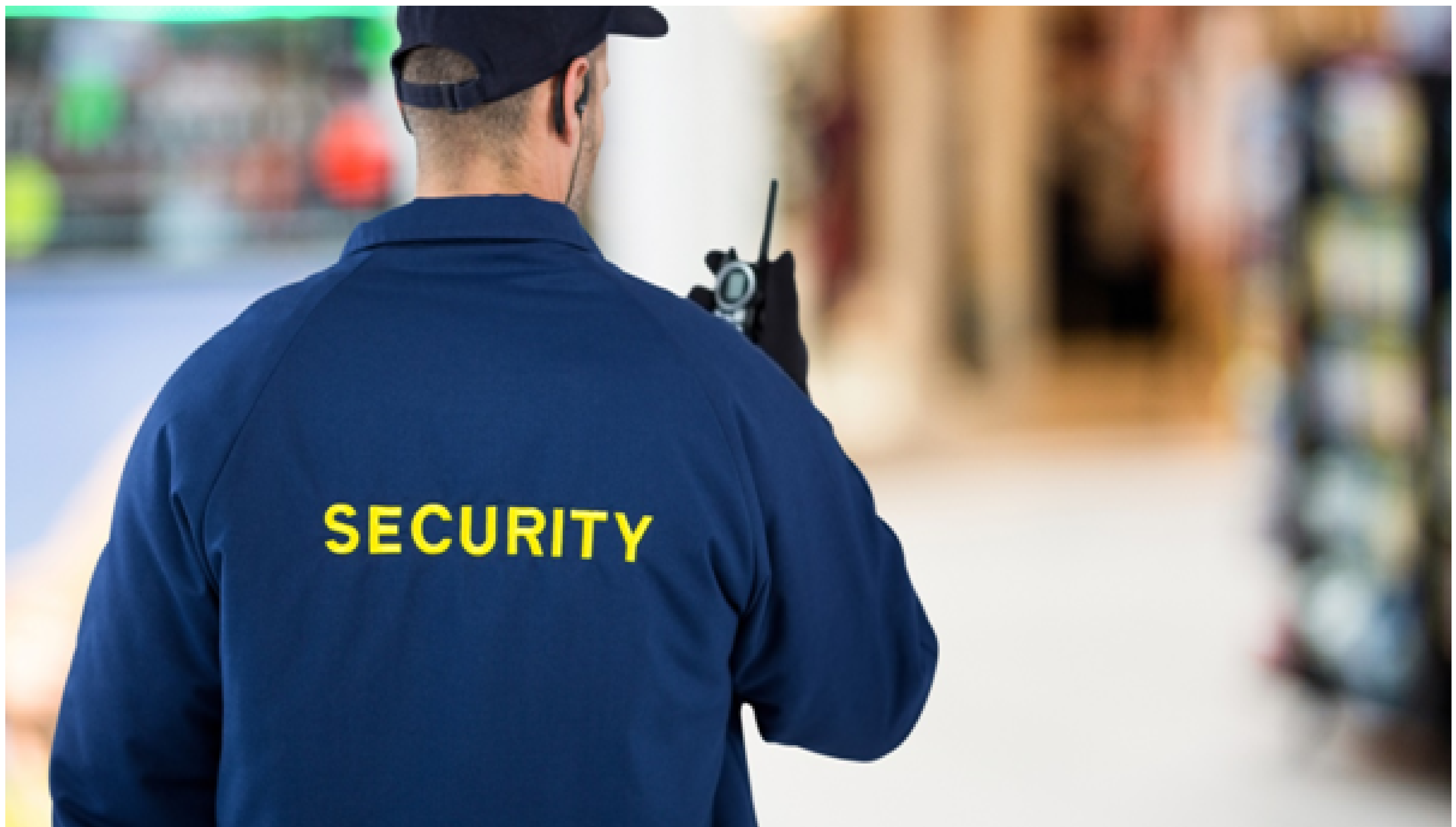
If you’re responsible for San Diego Nonprofit Security Services, you already know the challenge: you must keep doors open to the public while still protecting staff, volunteers, donors, and the people you serve. Unlike a private office, your environment is mission-driven, high-traffic, and often unpredictable—especially during food distribution, youth programs, counseling hours, community events, or outreach services.
This guide breaks down a layered, realistic approach you can implement—whether you operate one small facility or multiple sites across San Diego.
Why nonprofits need a different security blueprint
Nonprofits and community centers are designed for access. That’s the point. But open access can also create risk: unauthorized entry, disruptive behavior, theft, vandalism, vehicle break-ins, threats to staff, and safety concerns during high-emotion moments (family services, housing assistance, or crisis support).
A stronger plan doesn’t mean turning your center into a fortress. It means designing security around:
- predictable routines (opening/closing, shift changes, deliveries)
- high-traffic windows (program start/end times)
- privacy needs (counseling rooms, youth spaces, records storage)
- community trust (calm, respectful presence)
Layered security for community spaces
Think in layers: if one layer fails, the next one still protects people and property.
Layer 1: Perimeter and exterior deterrence
Start outside, because most incidents begin outside:
- Bright, consistent lighting in parking areas, walkways, and rear doors
- Clear sightlines (trim landscaping near entrances and windows)
- Visible rules signage (hours, no trespassing, restricted areas)
- Camera coverage that captures faces at entrances and plates at drive lanes
Quick win checklist
- Lock and reinforce rear doors (they’re the most common weak point)
- Add “staff-only” markings on secondary entrances
- Keep an exterior “closing sweep” routine with a written checklist
Layer 2: Access control without harming hospitality
Access control for nonprofits is about guiding movement, not creating fear:
- Single public entry point during busy hours
- Visitor check-in (simple sign-in or badge system)
- Door hardware that prevents “tailgating” into staff zones
- Controlled access to offices, donation rooms, and storage
If you’re planning upgrades, look into standards-based thinking around physical security and “cyber + physical” facility practices. A useful external resource is CISA’s best-practices PDF on integrating physical security with operational readiness—helpful if you manage cameras, alarms, and access systems together.
Layer 3: On-site presence—what staffing should look like
For many San Diego community centers, the best fit is not “one guard standing still.” It’s a role designed around service and prevention:
- A professional, approachable presence at the front during high-traffic times
- Roving checks of parking areas and side entrances
- De-escalation support when staff need backup
- Clear incident documentation for leadership and (when needed) law enforcement
This approach reduces “response lag” because the person who notices the issue is already on-site and trained to act within policy.
Layer 4: Technology that supports staff
The most effective technology is the kind staff actually use:
- Cameras positioned for evidence (not just “general coverage”)
- Alarm monitoring with clear call trees and escalation rules
- Intercoms at locked doors for controlled entry
- Panic buttons (fixed or mobile) for front desk and program leads
Technology works best when paired with defined response steps: who calls whom, what is “urgent,” and what triggers a dispatch.
Training: the underrated security multiplier
Security plans fail when people freeze or improvise. Training removes uncertainty.
Key training topics for nonprofits:
- Verbal de-escalation and boundary setting
- Suspicious behavior recognition (without profiling)
- Safe removal of unauthorized individuals (policy-based)
- Medical basics and emergency communication
- What to document after an incident (and how)
Even short monthly refreshers create consistency—especially with volunteers and rotating staff.
Policies that protect your mission and your team
Your policy should answer the hard questions before they happen:
- When do we deny entry?
- Where are “public,” “program,” and “staff-only” areas?
- What happens if someone refuses to leave?
- When do we call law enforcement vs. a private response team?
- How do we protect confidentiality during incidents?
If you manage a site that overlaps with housing or multi-tenant spaces, San Diego’s Crime-Free Multi-Housing guidance contains prevention principles that can be adapted to many community environments.
Choosing the right partner in San Diego
When evaluating security support for a nonprofit or community center, look for a provider that can do more than “show up.” Ask about:
- Post orders tailored to programs, hours, and vulnerable areas
- De-escalation training standards and supervision
- Reporting quality (incident reports you can actually use)
- Rapid dispatch capability for escalation events
- Technology coordination (cameras, access, alarms)
If you’re also comparing service models, you may find it useful to review our related guidance on San Diego security guard services.
Call to action: build a security plan that fits your center
If you want a plan that protects people while keeping your mission welcoming, we can help you design San Diego Nonprofit Security using layered staffing, clear post orders, and response-ready procedures.
Call us at 888-205-4242 or email [email protected] to schedule a walkthrough and get recommendations tailored to your facility.