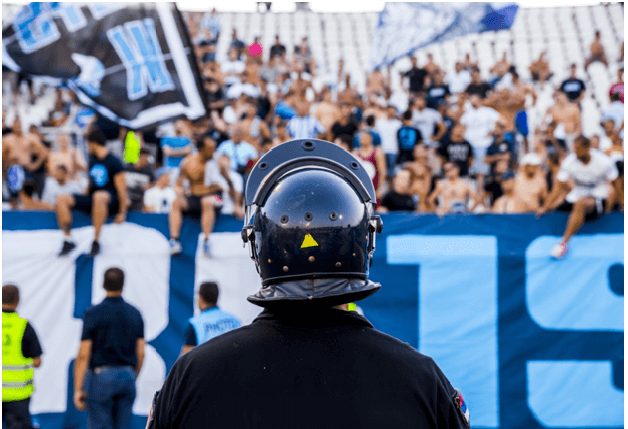
If you’re searching for stadium and arena security services California, you already know the real challenge isn’t just “having guards.” It’s protecting tens of thousands of people, staff, vendors, athletes, and VIPs—while keeping entrances moving, preventing conflicts, and responding fast to what’s actually happening in real time. A modern venue is a small city with multiple risk zones, tight timelines, and high public visibility. That’s why the best programs blend planning, people, technology, and a calm, disciplined response posture.
Why stadium and arena security is its own category
Security at a venue is different from a retail center or standard commercial property. Crowds arrive in waves. Emotions run high. Alcohol service changes the tone. Parking lots are wide open. Back-of-house access points multiply. And your event schedule doesn’t pause because of a medical call, a fight in the concourse, or a suspicious item report.
The best venue security programs focus on three priorities:
- Prevention (deterrence + early detection)
- Flow (guest experience and throughput)
- Response (measured action, fast escalation when needed)
That balance is what separates “coverage” from true protection.
The layered approach: outside-in and front-to-back
Effective stadium and arena security is built in layers so a single failure doesn’t become a headline. A practical layered model looks like this:
Layer 1: Perimeter + parking deterrence
Parking areas are a common source of theft, disputes, and disorder. A proactive presence here reduces incidents before guests even enter the venue. This layer often includes:
- Marked patrols for visibility
- Foot patrols at stairwells, payment kiosks, and pedestrian routes
- Rapid response units positioned for quick movement (not buried in traffic)
Layer 2: Entry screening + access control
Entry is where security meets operations. If screening is sloppy, you risk safety. If screening is slow, you trigger crowd frustration and bottlenecks. Strong entry programs rely on:
- Clear lane design and signage (so guests self-sort)
- Consistent bag policy enforcement
- Trained staff for professional communication under pressure
- A defined escalation path for refusals or disorder
Layer 3: Concourse + seating bowl presence
Once inside, your goal is to keep the environment stable and respectful without feeling heavy-handed. That means:
- High-visibility patrols that “float” to problem areas early
- De-escalation-first posture (but not passive)
- Quick coordination with guest services and medical teams
- Targeted coverage around alcohol service points and choke areas
Layer 4: Back-of-house + restricted zones
Loading docks, tunnels, staff entrances, and vendor corridors require a different discipline. Credential checks and access logging matter here. This layer should include:
- Controlled entry points (not “open doors” for convenience)
- ID/credential verification protocols
- Post orders that clearly define who can authorize access and when
Layer 5: Command + communications (the hidden superpower)
Your best tool is coordination. A venue security plan improves dramatically when you operate with a simple “command rhythm”:
- Radio discipline and plain-language protocols
- A central dispatch view of incidents and unit status
- Tiered response: observe → engage → contain → coordinate → resolve
- After-action documentation that drives measurable improvement
What to look for in security staffing for venues
Not every guard is built for a stadium environment. For arena and stadium assignments, selection and training are everything. Your vendor should be able to explain how they prepare personnel for:
- Crowd psychology and conflict prevention
- Verbal de-escalation in high-noise environments
- Guest-friendly enforcement (firm, respectful, consistent)
- Incident containment without escalation
- Report writing that stands up to scrutiny
If the provider can’t articulate a training pathway and quality checks, you’re buying hope—not a system.
The “rapid response” element—without chaos
A stadium needs response capability, but not every situation should be treated like an emergency. The goal is controlled speed:
- Fast arrival to reduce time-to-intervention
- Calm engagement to avoid inflaming the crowd
- Smart positioning so units aren’t trapped in dense foot traffic
- Clear escalation if law enforcement or EMS is needed
Well-run teams train for decision-making: what’s a quick fix, what’s a safety hazard, and what’s a liability risk.
Technology that actually helps (not just “new gadgets”)
Technology should reduce blind spots and speed up decisions. In venue environments, the most practical solutions include:
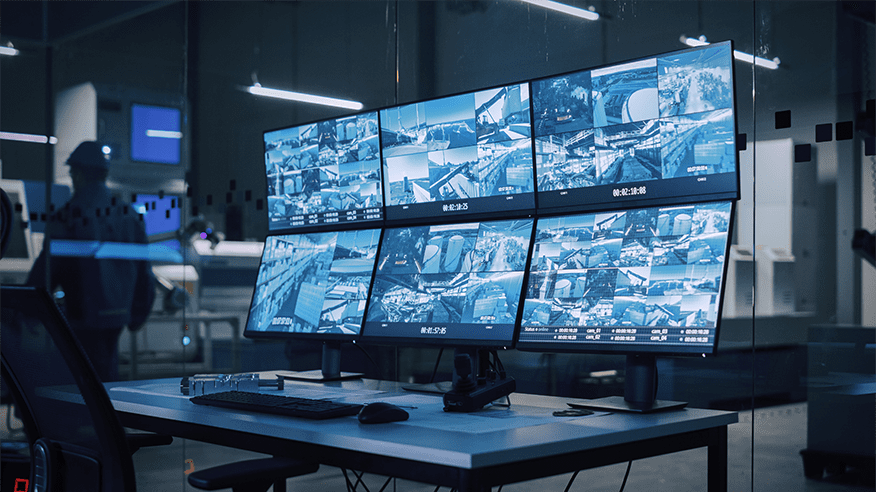
- Camera monitoring with dispatch support for early detection of fights, trespassing, or crowd surges
- Radio and incident workflow discipline so calls aren’t lost in noise
- Access control coordination for staff doors and restricted areas
- Live reporting so management sees patterns, not just anecdotes
And yes—technology must match staffing. Cameras don’t replace boots on the ground; they direct them.
Real preparedness: training the venue team, not just the guards
A strong stadium program doesn’t isolate “security” from operations. It trains the broader venue team—guest services, supervisors, and key staff—so everyone knows what to do during high-risk moments.
For example, the FBI’s active shooter resources are widely used for preparedness education and planning; readers can learn more through the FBI’s guidance and training materials.
The point isn’t fear—it’s readiness: how to communicate, where to move people, and how to coordinate with responders.
How this connects to private event security in San Diego
Stadiums and arenas are “mega-events,” but the same fundamentals apply to smaller venues: clear post orders, proactive patrols, access control, and calm response. If you’re planning a concert, festival, or private event, you may also want to review our related service insights here: Private Event Security San Diego: How to Keep Your Guests Safe? — it’s a practical extension of venue-grade planning into smaller footprints.
A simple checklist for choosing the right provider
Before you hire a stadium and arena security partner, ask these questions:
- How do you train for de-escalation and crowd management—specifically?
- What’s your staffing plan for entrances, parking, concourse, and restricted areas?
- How do you handle incident reporting and after-action improvements?
- Can you provide a rapid response structure without disrupting guest experience?
- How do you coordinate with venue leadership and public safety partners?
If they can’t answer with a repeatable process, keep looking.
Ready to build a venue-grade security plan?
If you need stadium and arena security services California, we can help you design a layered plan that supports safe access, smooth crowd flow, and fast, controlled response—without sacrificing the guest experience. Call 888-205-4242 or email [email protected] to discuss your event schedule, staffing needs, and coverage priorities.