Orange County mobile patrol security services are built for one hard reality: most properties don’t need a full-time guard posted 24/7—but they do need consistent presence, quick intervention, and documentation that holds up when tenants, insurers, or law enforcement ask, “What happened—and what did you do about it?”
Why mobile patrol fits Orange County right now
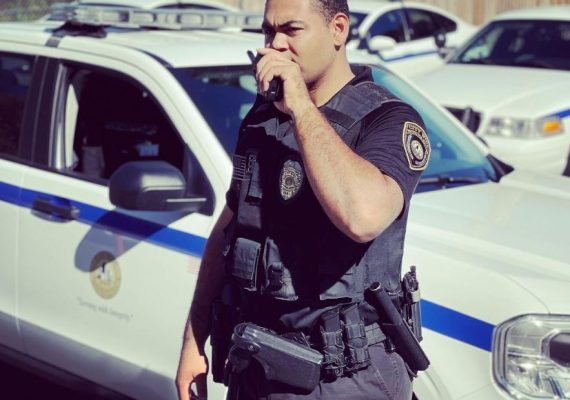
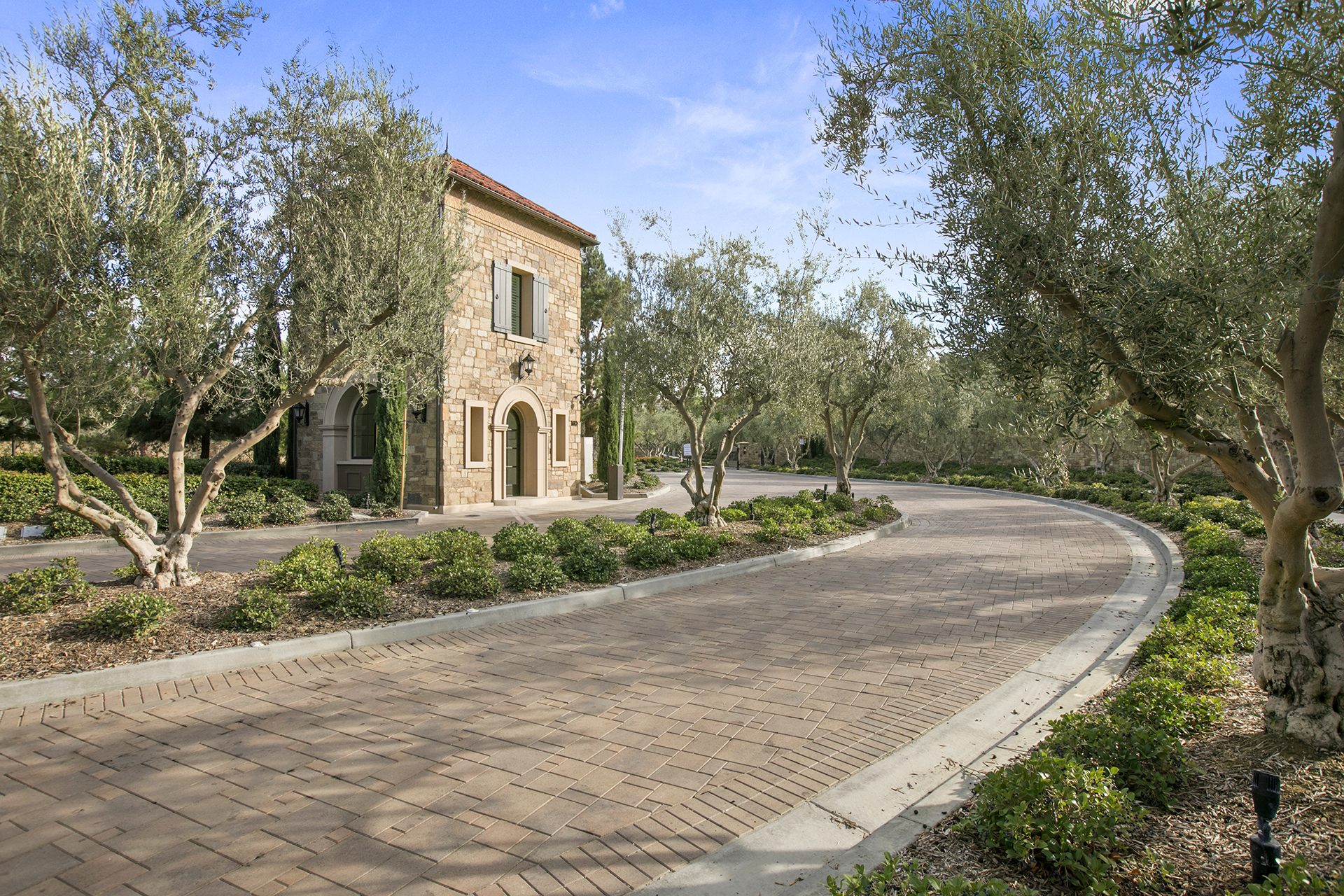
Orange County blends premium multifamily communities, high-traffic retail, medical offices, and business parks—often with the same repeat risk points: parking lots, amenity spaces, rear corridors, and after-hours access. Mobile patrol is designed for these pressure points because it combines a marked vehicle for visibility with scheduled foot checks where incidents actually occur.
The operational takeaway: Mobile patrol works when it’s a system, not a lap around the block—patrol design + clear post orders + rapid dispatch + photo-rich reporting.
What “mobile patrol” really means
Security terms get used loosely. Here’s the practical difference:
- Standing (posted) officers: On-site for the full shift—ideal for lobbies, active entrances, and constant visitor flow.
- Courtesy patrol: Drive-through presence at varying times—useful for a light deterrent layer.
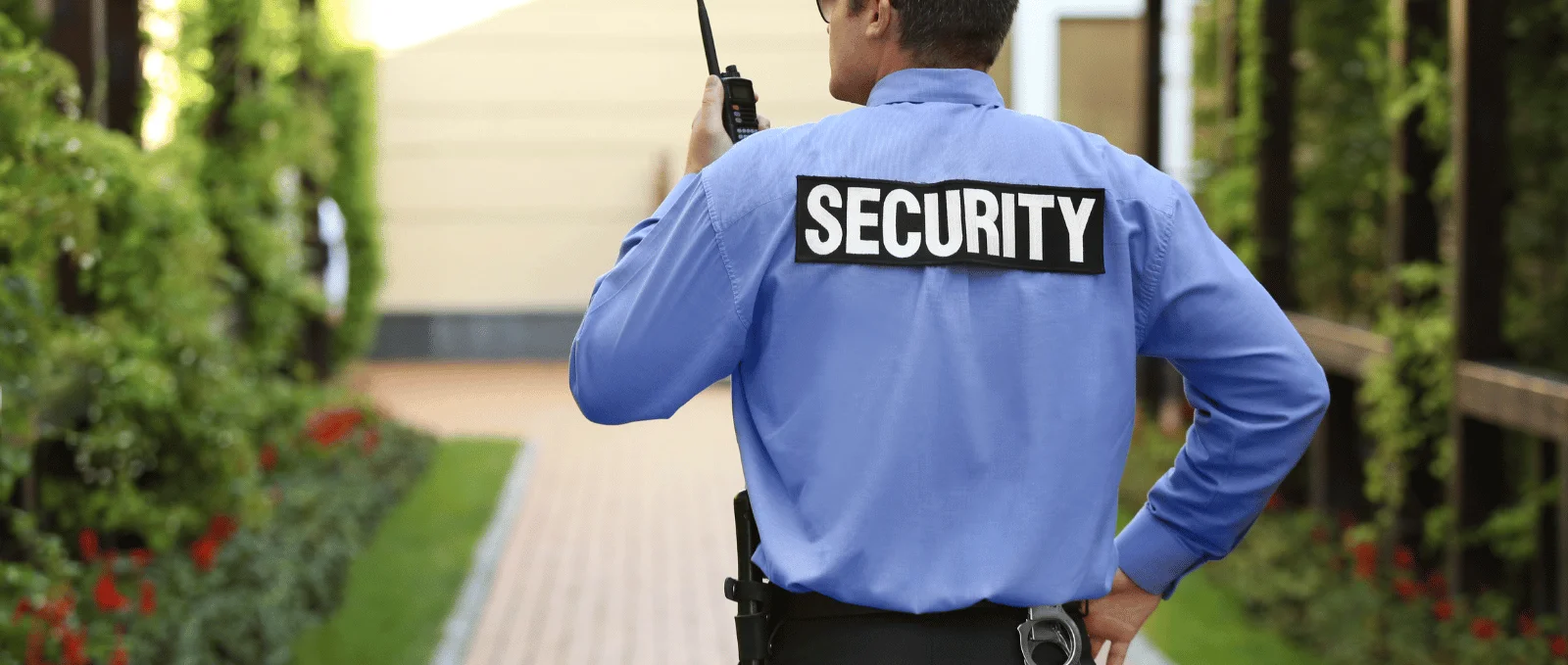
- Mobile patrol: “Best of both worlds”—the officer uses a vehicle for visibility and coverage, then completes scheduled foot patrols (doors, gates, stairwells, amenities) to verify conditions, not just observe.
Core layers of a high-performing mobile patrol program
1) Perimeter-first deterrence
- Marked presence: Patrol vehicles increase “seen risk” for opportunistic offenders.
- Access checks: Gates, pedestrian doors, and keypads are verified, not assumed.
- Lighting awareness: Outages and blind spots get flagged before they become repeat-incident zones.
2) Foot patrol where it counts
Vehicle patrol won’t catch everything. Foot checks validate the places where problems cluster:
- Amenities: Pools, gyms, clubhouses after hours
- Parking structures: Stairwells, elevator lobbies, dark rows
- Service corridors: Trash enclosures, utility doors, rear paths
3) Response that follows your SOPs
Mobile patrol succeeds when response is predictable:
- Verified triage: Confirm what triggered the event (camera/alarm/call) before escalation when appropriate.
- Nearest-unit routing: Dispatch the closest qualified unit for faster arrival.
- Stakeholder updates: Property managers get consistent notifications aligned to your escalation plan.
4) Reporting you can act on
A patrol that can’t prove outcomes creates more work for you.
- Time-stamped logs: Where the officer checked and when.
- Photos when needed: Propped doors, vandalism, hazards, damage.
- Clear dispositions: Warned, cleared, trespass initiated, police notified, maintenance ticket created.
What happens on a real patrol round
Strong patrols rely on repeatable actions. A simple structure many OC sites use:
Round A: Arrival + perimeter sweep
- Verify vehicle and pedestrian gates
- Scan property edges and high-risk corners
- Check for suspicious vehicles or loitering indicators
Round B: Interior verification
- Walk amenity areas and high-traffic pathways
- Check “door hygiene” (propped, forced, unsecured)
- Validate camera views (obstruction, glare, vandalism)
Round C: Exceptions + closeout
- Re-check flagged locations
- Document hazards and next steps
- Send a concise summary report
The “no-surprises” rule
If something could become tomorrow’s complaint—noise issues, unsafe lighting, a broken latch—it gets documented tonight with the action taken and the recommended follow-up.
Mobile patrol vs. posted guard: a practical decision
Choose mobile patrol when:
- You need coverage across multiple buildings, lots, or entrances
- Incidents spike at predictable windows (after-hours, weekends, pre-dawn)
- You want deterrence + verification without funding a constant post
Choose a posted guard when:
- You need constant access control, visitor screening, or lobby presence
- The risk profile demands immediate on-site intervention at all times
Many properties blend both: posted coverage during peak hours, then Orange County mobile patrol security services for overnight and weekend reinforcement.
Compliance and licensing: what to verify in California
In California, security companies operate under state licensing requirements for private patrol operations. BSIS publishes official resources for Private Patrol Operators (PPO)—including licensing guidance, laws/regulations, and insurance requirements—so buyers can confirm they’re hiring a compliant provider.
Choosing the right provider: a fast checklist
Operational capability
- Dispatch coverage: Who answers after-hours calls and how events are routed
- Supervisor oversight: How escalations and performance audits are handled
- Patrol variability: Randomization to reduce pattern-based targeting
Reporting quality
- Proof-of-service: Time stamps, route detail, location specificity
- Photo documentation: Evidence that reduces disputes and supports claims
- Trend insights: Monthly summaries you can use to adjust coverage
Officer readiness
- Site onboarding: Post orders, maps, resident etiquette expectations
- Equipment standards: Communication tools, lighting, and patrol vehicles appropriate to the site
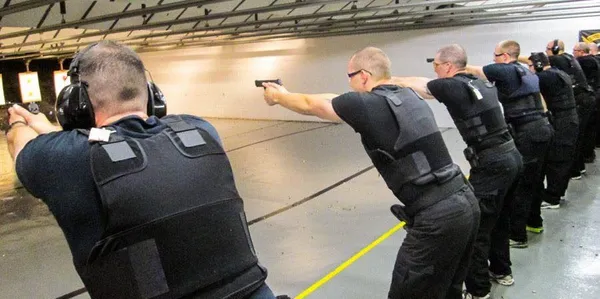
- De-escalation approach: Policy-first interaction to reduce liability
A simple 30-day rollout plan
- Site walk + risk map: Identify hot spots, blind spots, lighting gaps, and access points.
- Post orders: Define patrol rounds, exception checks, report standards, and the escalation tree.
- Pilot and tune: Adjust timing and checklists based on real incidents and site flow.
- Review KPIs: Track incident counts, verified-response speed, and issues prevented (doors, gates, hazards).
Related reading
For locations with higher-risk windows or repeat incidents, see our internal guide on High-risk property security Orange County for layered deterrence, escalation thresholds, and staffing models.
Ready to strengthen your coverage?
City Wide Protection Services (CWPS) is a fully licensed California security company established in August 2012, providing services like mobile patrol, courtesy patrol, camera & alarm monitoring, consultation, and security training across Southern California—including Orange County.
CWPS provides Orange County mobile patrol security services designed for real-world properties—multifamily communities, commercial centers, and mixed-use sites that need visibility, verification, and rapid intervention without unnecessary overhead.
- Call: (888) 205-4242
- Email: [email protected]
FAQ: Fast answers for property managers
Q: How many patrol visits do we need per night?
A: Many sites start with two anchor checks (closing and pre-dawn) plus 1–2 randomized rounds. Increase only if incident data supports it.
Q: Will mobile patrol replace our cameras?
A: No—cameras detect and document; patrol verifies, deters, and resolves.
Q: What’s the fastest improvement you can make?
A: Improve lighting, tighten gate/door routines, and require photo-rich reporting. Those three changes reduce repeat issues quickly.