Port and harbor facility security Los Angeles Long Beach operations can’t rely on “standard commercial” security logic. A port is a living system—trucks, crews, containers, vessels, visitors, contractors, and restricted areas moving at the same time. The goal is simple: keep commerce flowing while reducing theft, intrusion, safety incidents, and disruption risk—without turning your terminal into a bottleneck.
Why ports need a different security model
A warehouse can lock doors and control who enters. A port facility has multiple entry points, overlapping jurisdictions, and constantly changing activity. The biggest security failures are usually not “one big breach”—they’re small gaps that repeat:
- A gate process that allows tailgating at shift change
- A blind spot near a fence line or rail spur
- A badge policy that looks good on paper but fails in the yard
- An after-hours response plan that’s slow, inconsistent, or undocumented
The operational takeaway: The best programs blend people + process + technology into one picture, then tie it to fast response and clean documentation.
The regulatory baseline you must build around
Most port facilities operate under federal maritime security requirements that expect documented security plans, access controls, and MARSEC-level procedures. If you want the clearest “ground truth” view of facility expectations, the U.S. Coast Guard’s MTSA/ISPS overview is a strong starting point. You can read more there to understand why access control, monitoring, and response coordination are foundational—not optional.
Core layers of an effective port security program
1) Gate integrity and credential discipline
Ports win or lose at the gate. The objective is throughput with control, not “slow everything down.”
- Choke points that work: Clear inbound/outbound lanes, signage, and staging to reduce confusion and improvisation
- Credential verification: Role-based access (who can enter which zone, when, and why)
- Anti-tailgating behavior: Procedures and camera confirmation for piggybacking
- Visitor and contractor rules: Pre-authorization, time-boxed credentials, escort requirements where needed
What to measure
- Average truck processing time at peaks
- Tailgating exceptions per week
- Credential misuse trends by time window
2) Perimeter protection that’s actually verifiable
Perimeter security isn’t a fence—it’s a system that proves the perimeter is intact.
- Fence-line checks: Targeted patrol stops at common breach points (corners, rail edges, shadows)
- Lighting verification: Outages get treated like urgent maintenance, not “next month” issues
- Line-crossing analytics: Smart zones that alert on human movement where it shouldn’t exist
3) Yard and container-area security
The yard is where theft, tampering, and safety risk hide inside normal activity.
- Hot-zone patrols: Focus on high-value stacks, reefers, chassis rows, and low-visibility corridors
- Seal discipline: Spot-check and document anomalies early
- Wrong-way movement alerts: Simple rules reduce “quiet” intrusions during low-activity windows
4) Waterside awareness and marina-adjacent risk
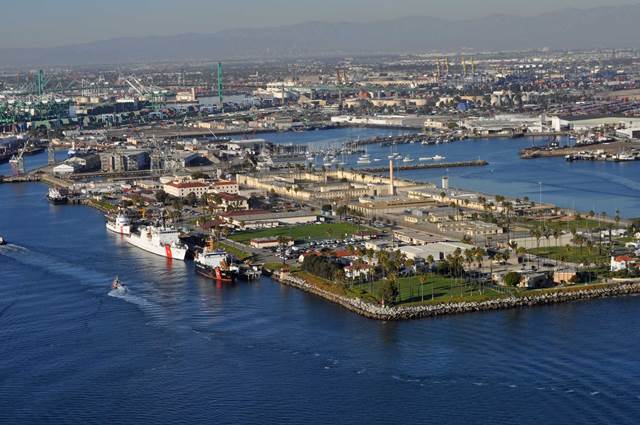
Harbor environments add a second perimeter: water access.
- Dock and shoreline checks: Routine verification of restricted docks, ladders, and shoreline paths
- After-hours loitering control: Consistent challenge-and-document approach
- Coordination protocols: Clear escalation pathways when activity overlaps with public areas
5) Response that’s fast, consistent, and documented
Ports don’t have time to “figure it out on scene.” They need a playbook.
- Two-step verification when appropriate: Camera confirmation + on-site sweep
- Nearest unit dispatch: Reduce response time variability
- Stakeholder updates: Operations leaders get timely, consistent notifications
- Evidence control: Time stamps, photos, report narratives, and clip retention standards
Technology that pays for itself in maritime environments
Technology should reduce confusion—not create another dashboard no one watches.
Video monitoring built for operations
Use cameras to support decisions in real time:
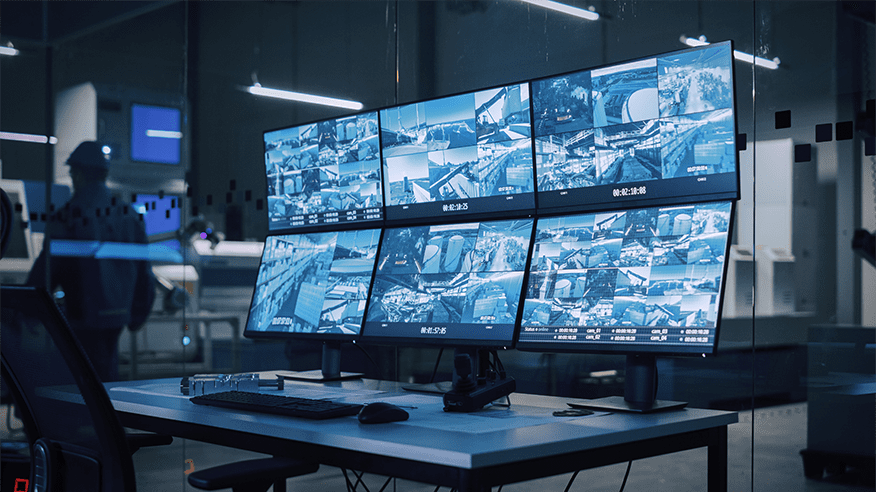
- Live monitored views over gates, high-value stacks, and perimeter paths
- Incident clips tagged to reports for claims and investigations
Access control that matches how ports actually work
- Zone-based permissions and audit logs
- Tight rules around temporary credentials (contractors, vendors, short-term access)
Communication and coordination
CISA’s Transportation Systems Sector resources are useful context for stakeholders who want a broader view of risk, resilience, and continuity thinking across transportation environments. You can read more there to align your internal planning language with common critical-infrastructure frameworks.
Staffing model: what works without overspending
Ports commonly overpay in one of two ways: too many static posts, or too little response coverage. A balanced model usually looks like this:
Fixed posts where the flow demands it
- Main gates and credential points
- Sensitive zones requiring constant control
Mobile patrol to cover the “wide” environment
- Yard loops, perimeter verification, and exception-driven checks
- Randomized patrol timing with anchors (shift change, pre-dawn)
Supervisor coverage for escalations and quality control
- Rapid decision-making
- Policy enforcement, coaching, and documentation audits
A 30-day implementation roadmap
- Site walk + risk map
Identify gates, perimeter weak points, yard hot spots, and camera blind zones. - Post orders and SOP buildout
Write the playbook: access rules, challenge procedures, escalation thresholds, reporting standards. - Pilot + tuning
Run patrol routes, test camera zones, and refine policies that create nuisance alerts. - Metrics review
Track response times, gate exceptions, perimeter issues caught early, and incident frequency.
If your facility profile includes mixed transportation flows and cross-zone dispatch challenges, our internal guide on San Diego Maritime Security Services is a helpful next read for layered response concepts and maritime-adjacent patrol strategy.
How CWPS supports Port Security Los Angeles Long Beach programs
City Wide Protection Services (CWPS) is a fully licensed California security company established in August 2012, providing security services, mobile patrol, camera & alarm monitoring, consultation, and security training. We build programs that emphasize:
- Purposeful patrol coverage (not random drive-bys)
- Dispatch-ready escalation procedures
- Clean, photo-rich reporting that management can actually use
- Practical integration with cameras, access control, and stakeholder communications
Ready to strengthen your port security plan?
If you’re evaluating port and harbor facility security Los Angeles and Long Beach coverage—whether you manage terminals, adjacent industrial lots, maritime contractors, or logistics yards—we can help you design a program that improves deterrence, speeds response, and simplifies documentation.
- Call: (888) 205-4242
- Email: [email protected]
FAQ: Fast answers for port operators
Q: What’s the biggest mistake facilities make?
A: Treating port security like standard commercial security—without gate discipline, yard verification, and response playbooks.
Q: Can mobile patrol work in a high-throughput environment?
A: Yes—when it’s route-designed, exception-driven, and tied to real-time alerts.
Q: What’s the fastest “first win”?
A: Tighten gate procedures, fix lighting gaps, and require consistent incident documentation with time stamps and photos.