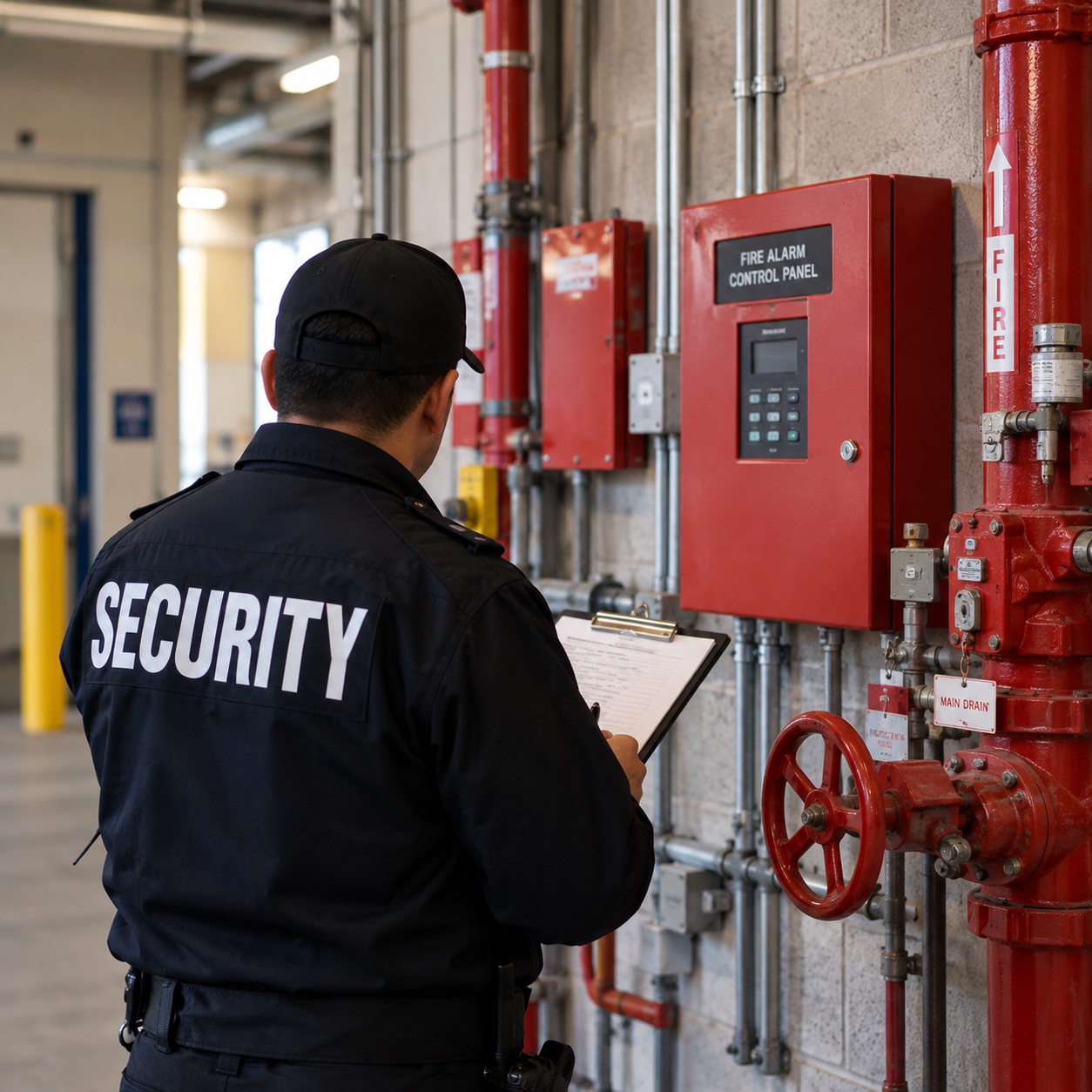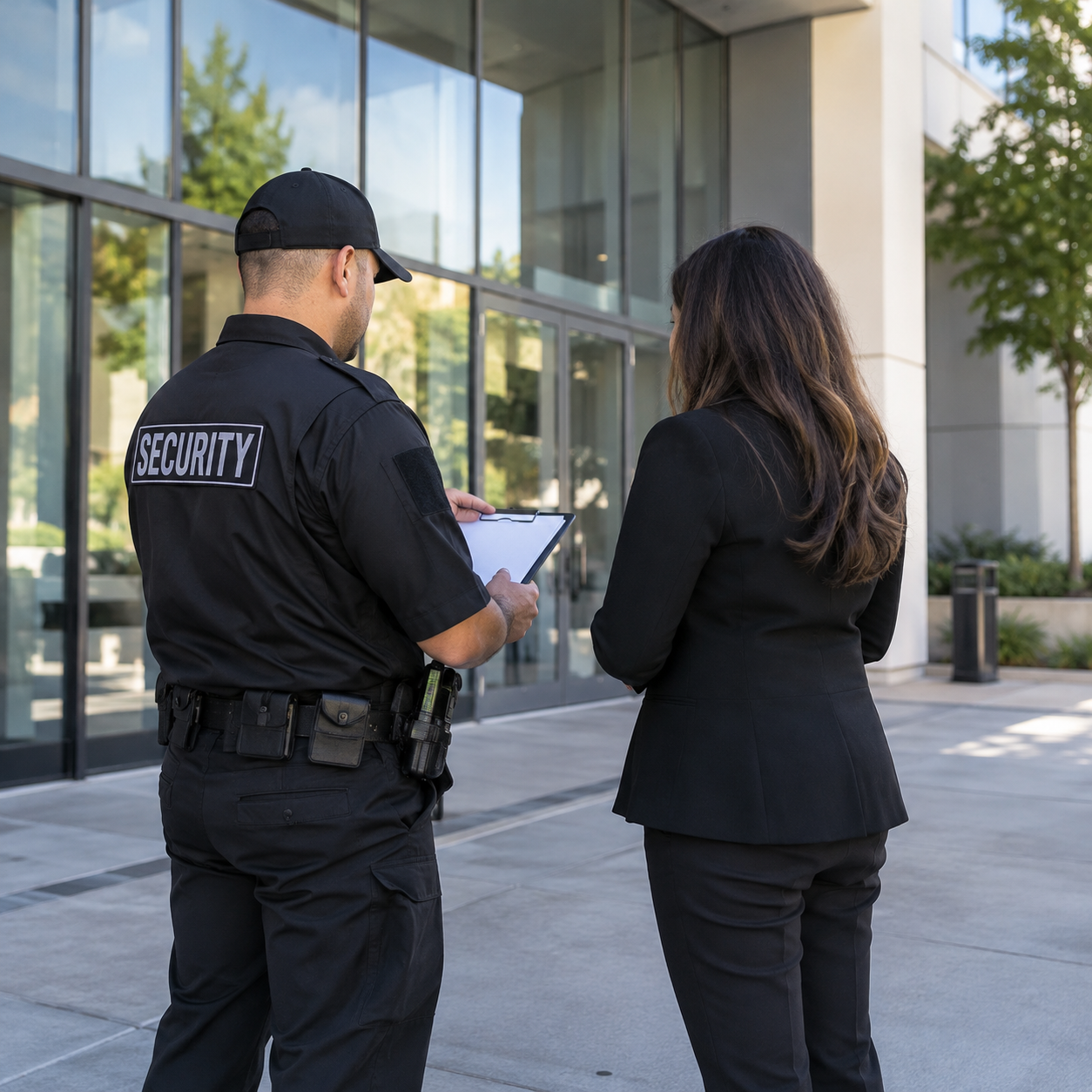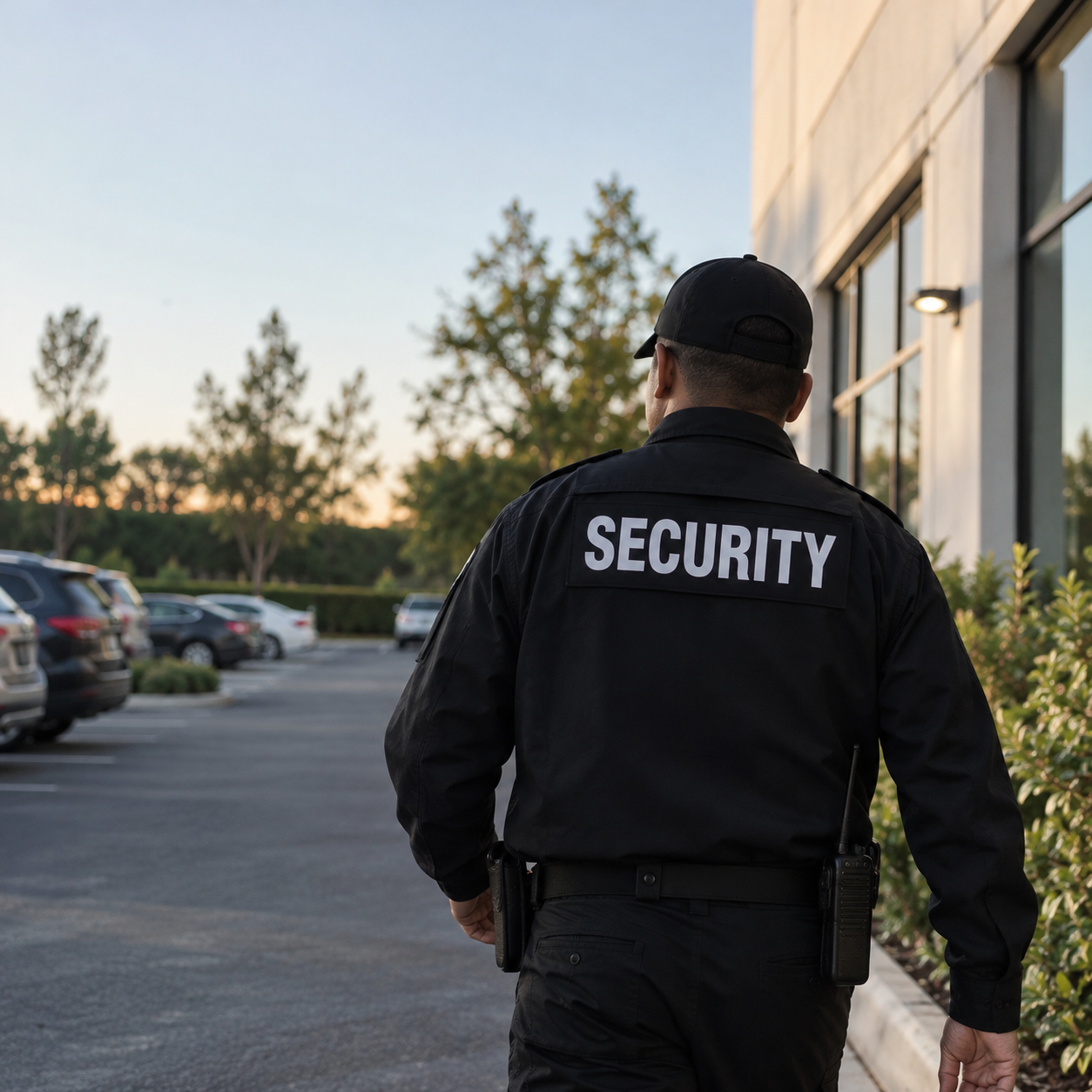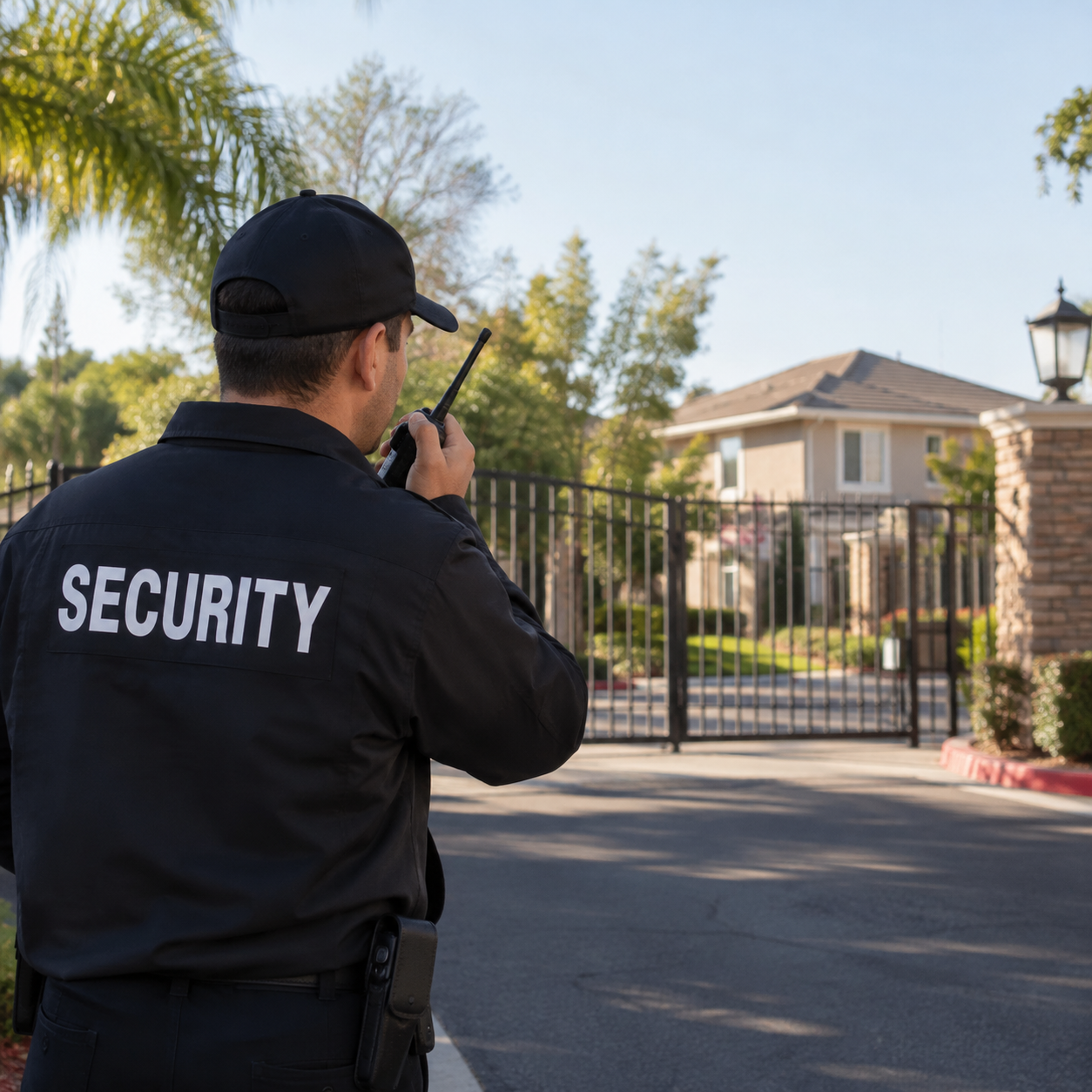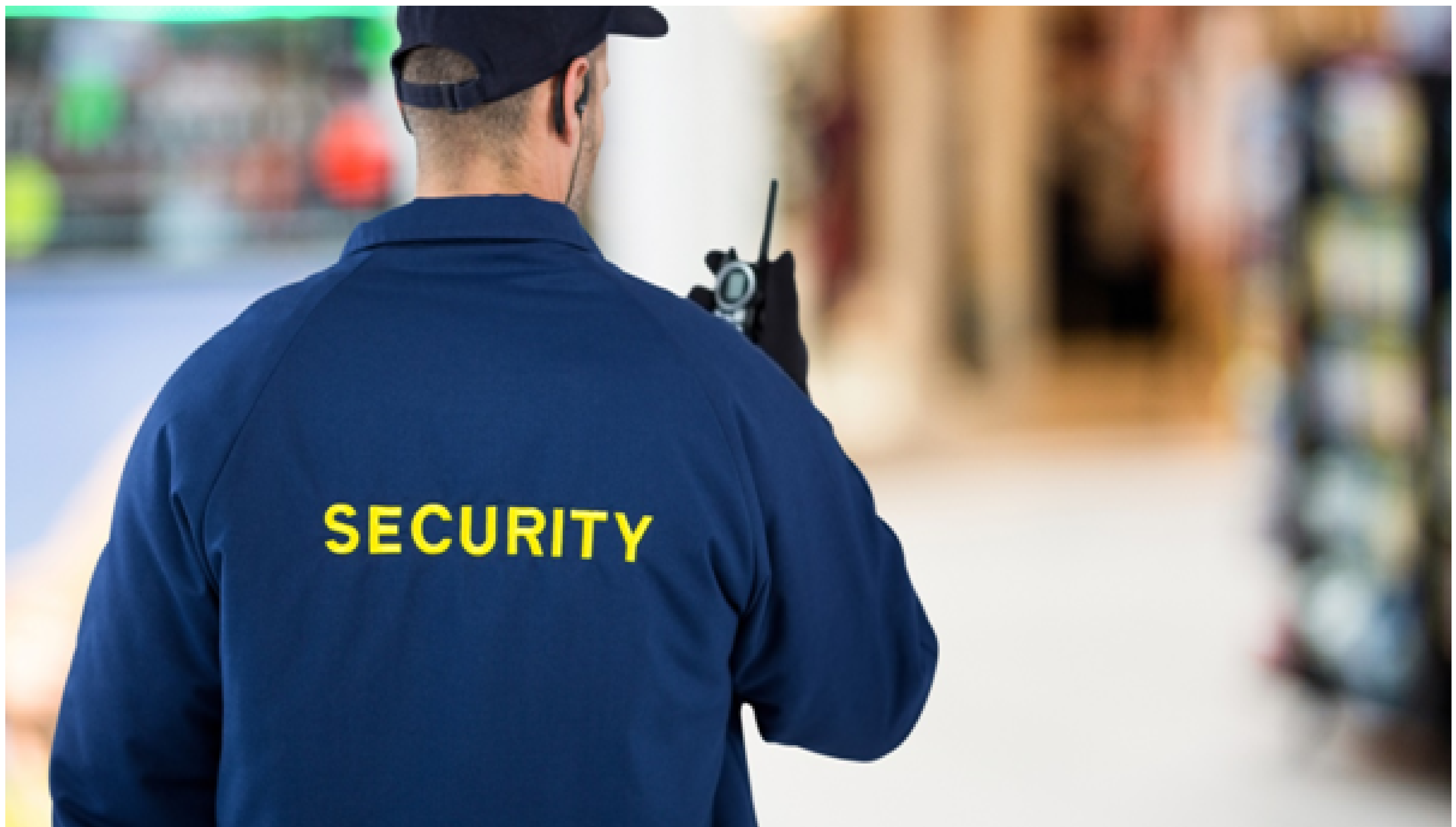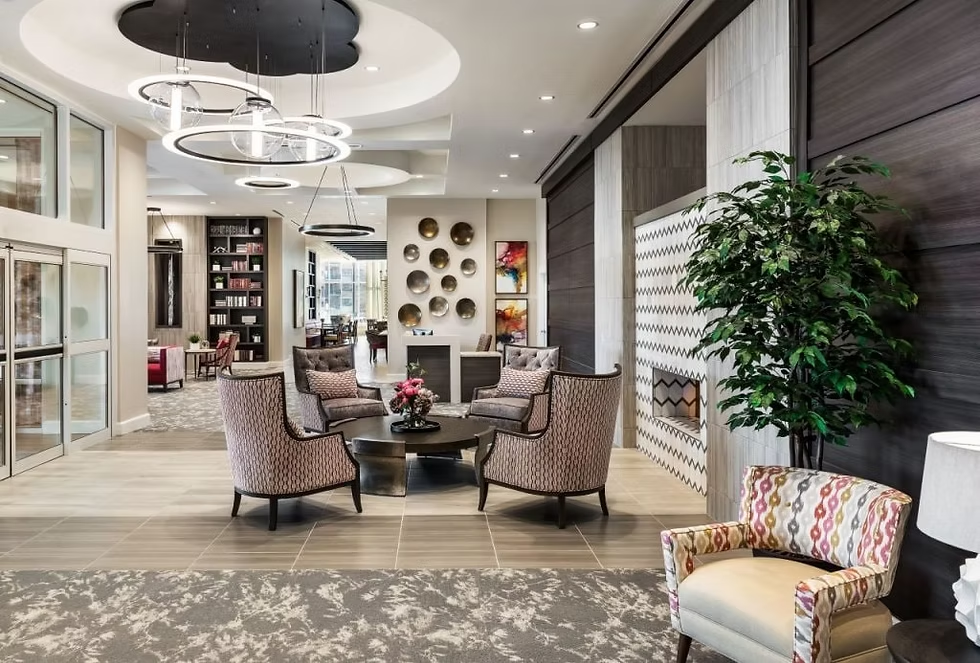
Senior living facility security services San Diego operators choose must protect people first—while preserving dignity, calm routines, and a welcoming environment. These communities have unique risk points: open visitation, 24/7 operations, medication areas, memory care, and frequent vendor traffic. The best security program isn’t “more strict.” It’s more intentional—clear access rules, compassionate interactions, fast response, and documentation that supports care teams and management.
Why senior living security is different
Senior living communities aren’t typical commercial properties. A strong plan balances hospitality with duty of care in spaces where residents may be vulnerable and staff are focused on caregiving.
Key realities that shape security design:
- High trust environments: Residents and families expect warmth—not intimidation.
- Complex access flow: Visitors, contractors, clinicians, deliveries, and staff rotate constantly.
- Sensitive zones: Medication rooms, records, and resident-private areas require tighter control.
- Risk includes theft and loss: Preventing resident property loss is both a safety and trust issue.
In California, Residential Care Facilities for the Elderly (RCFEs) are expected to maintain written policies addressing theft and loss—an important operational anchor for security planning.
The four pillars of safer senior living
1) Prevention through predictable routines
Prevention in senior living is less about force and more about consistency:
- Clear visitor rules and sign-in processes
- Staff-only zones that are clearly marked (and enforced politely)
- Regular patrol touchpoints at common problem areas (rear doors, courtyards, parking, stairwells)
- Lighting and door “hygiene” checks to prevent easy access or wandering risk
2) Detection that respects privacy
Senior living requires careful camera placement and access controls:
- Monitor entry points, lobbies, and exterior paths—not private living spaces.
- Use “need-to-know” access to recordings, with role-based permissions.
- Document what happened with time stamps and incident narratives, keeping resident identity protected where appropriate.
A practical governance note: theft and loss prevention policies are often required for RCFEs, so your monitoring and reporting should support those policies rather than operate separately.
3) Response that is calm, fast, and coordinated
In senior living, response must avoid escalation. The playbook should define:
- Who security contacts first (nurse station, administrator on duty, maintenance, family liaison)
- When to call law enforcement or emergency services
- How to handle refused entry, disruptive visitors, and suspected theft
- How to protect staff in volatile situations
Workplace violence is a real issue across healthcare and care settings, and prevention programs work best when the response plan is clear and rehearsed—especially for verbal aggression and escalating behavior.
4) Recovery and improvement through reporting
The most valuable security output in senior living is not a “presence.” It’s usable information:
- Time-stamped incident summaries
- Photos of damage or entry points when appropriate
- Clear dispositions (warned, removed, trespass initiated, police notified, maintenance request filed)
- Trend tracking (repeat door issues, repeat visitor conflicts, frequent after-hours alarms)
Where security breaks down in senior living
Entrances that are “friendly” but uncontrolled
Many communities unintentionally rely on informal recognition. That works—until it doesn’t. A good program keeps the welcome, but adds structure:
- One primary entrance after hours
- Visitor sign-in with ID verification rules as your policy allows
- Clear escalation for “I’m just visiting someone” without confirmation
Memory care and wandering-adjacent risk
Security should support clinical goals:
- Door checks to prevent propped exits
- Coordination with staff on resident safety plans
- Clear procedures for missing-person response (internal search zones, camera review, notification chain)
Parking lots and perimeter paths
These are common points for loitering, vehicle break-ins, and after-hours activity. Senior living facilities benefit from:
- Randomized mobile patrol checks
- Lighting verification
- Camera coverage that captures faces/plates at entrances and key lot lanes
Building a layered security program
Front-of-house coverage
A concierge-style security presence works well when it’s trained for senior living:
- Professional greeting
- Visitor verification
- Conflict de-escalation
- Discreet observation of unusual behavior (tailgating, unauthorized door use)
Mobile patrol reinforcement
Mobile patrol adds coverage without turning the facility into a checkpoint:
- Scheduled “anchor” checks (evening, midnight, pre-dawn)
- Randomized rounds to prevent pattern targeting
- Foot checks at doors, courtyards, stairwells, and dark corners
- Photo documentation of hazards or unsecured entries
Technology that supports humans
Use tools to reduce staff burden:
- Controlled access at sensitive doors (med rooms, records, staff-only corridors)
- Door alarms where appropriate to deter propping
- Video verification for after-hours alerts to reduce false dispatches
Compliance, policies, and resident trust
Senior living security should align with facility policies—especially around resident property protection and loss prevention. For California RCFEs, consumer advocacy guidance highlights that facilities must maintain written theft and loss policies and a program around that requirement.
Staffing: choosing the right guard profile
Senior living needs a specific type of officer:
- Calm tone, service mindset, and strong communication
- Comfort with policy enforcement without confrontation
- De-escalation capability and clean radio discipline
- Consistent documentation habits (reports that are clear, objective, and complete)
Red flags when hiring:
- Vague promises like “we’ll watch everything”
- No site-specific post orders
- No clear escalation chain
- Poor reporting standards (no time stamps, no photos, no dispositions)
If your community also faces challenges like ambulance access, emergency traffic, or broader medical-campus risks, our guide on Security for Healthcare Facilities in San Diego is a relevant companion read—because it covers layered response planning and how to coordinate security actions with care operations under pressure.
A 30-day rollout plan for better outcomes
- Site walk + risk map: entrances, resident-only zones, after-hours paths, lighting gaps, camera blind spots.
- Policy alignment: visitor rules, theft/loss procedure, de-escalation steps, missing-person protocol, escalation tree.
- Post orders + training: role-play the top scenarios (unapproved visitor, aggressive family member, suspected theft, door alarm).
- Pilot + tune: adjust patrol timing, door checks, and reporting formats based on real incidents.
- Monthly review: trend analysis and corrective actions (lighting, access permissions, schedule changes).
Need senior living coverage in San Diego?
CWPS delivers senior living facility security services San Diego teams can rely on—focused on respectful access control, proactive patrol coverage, rapid response workflows, and reporting that supports management and care staff.
- Call: (888) 205-4242
- Email: [email protected]