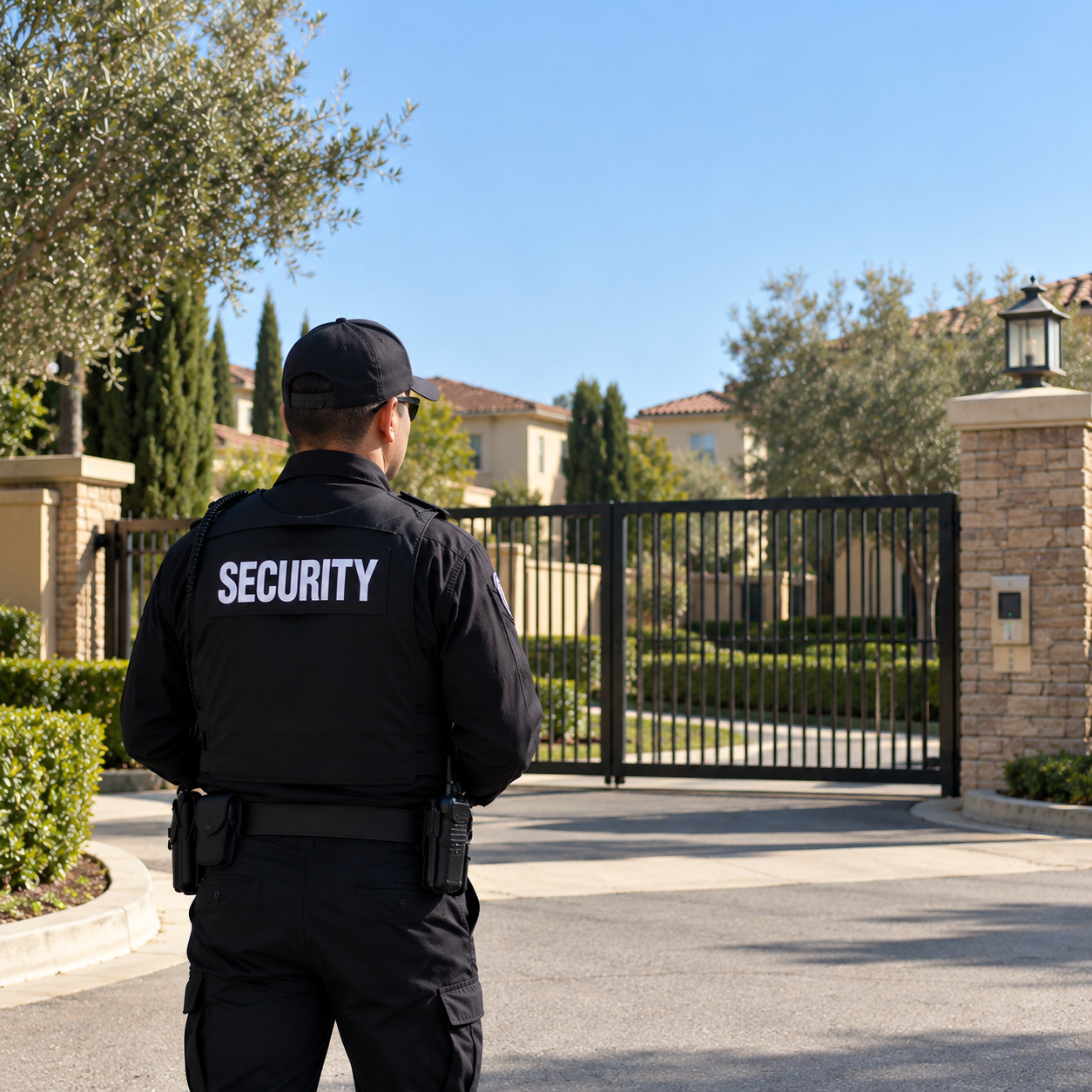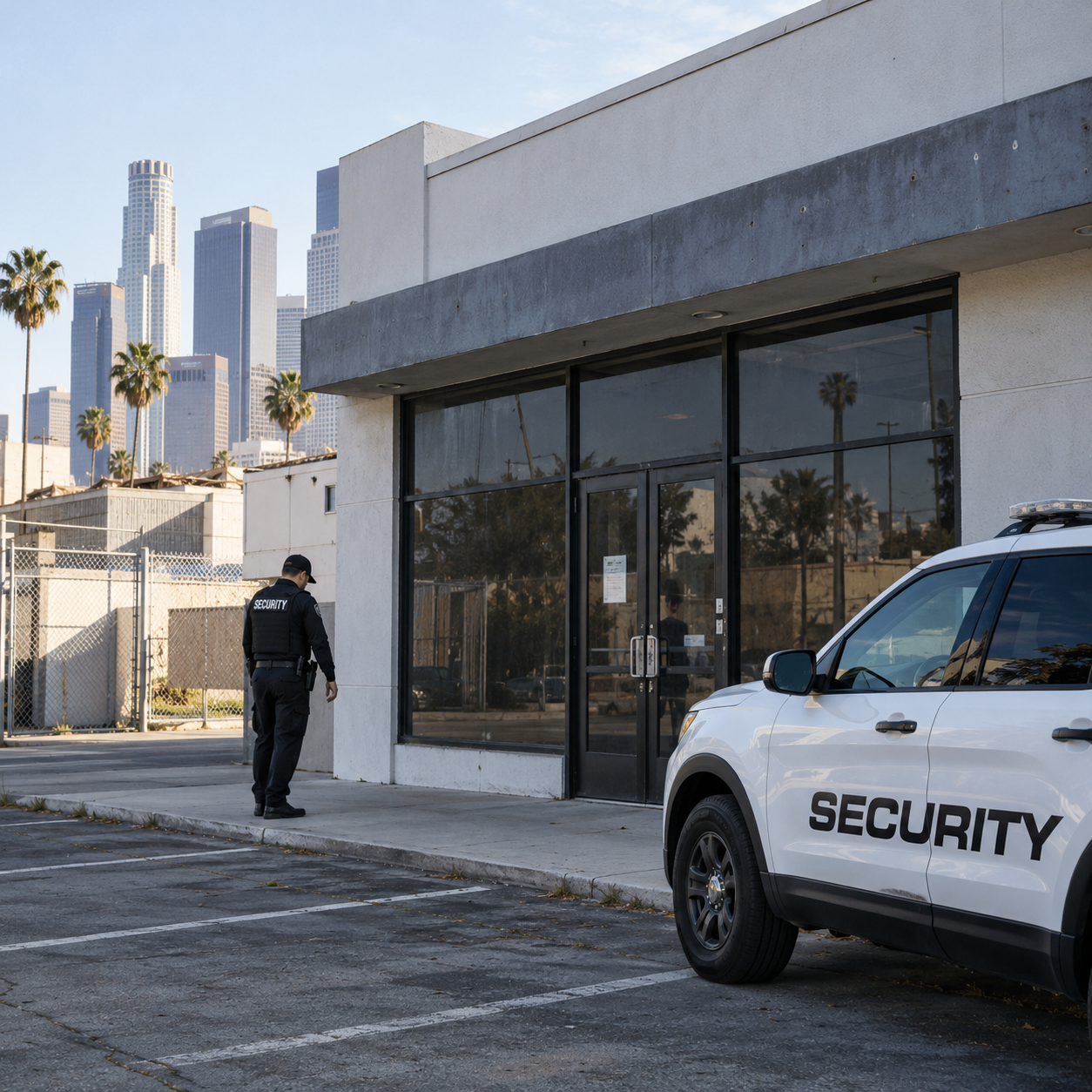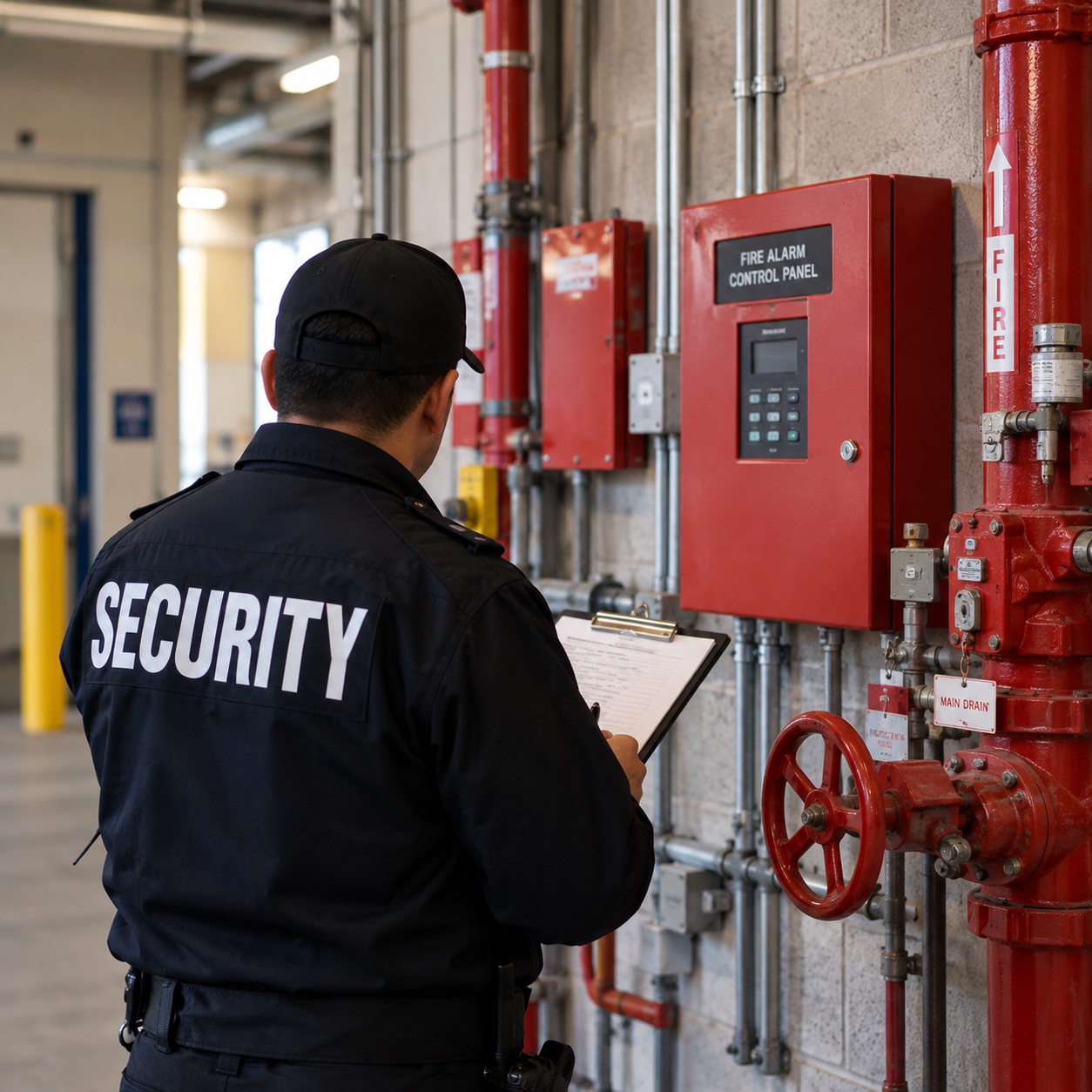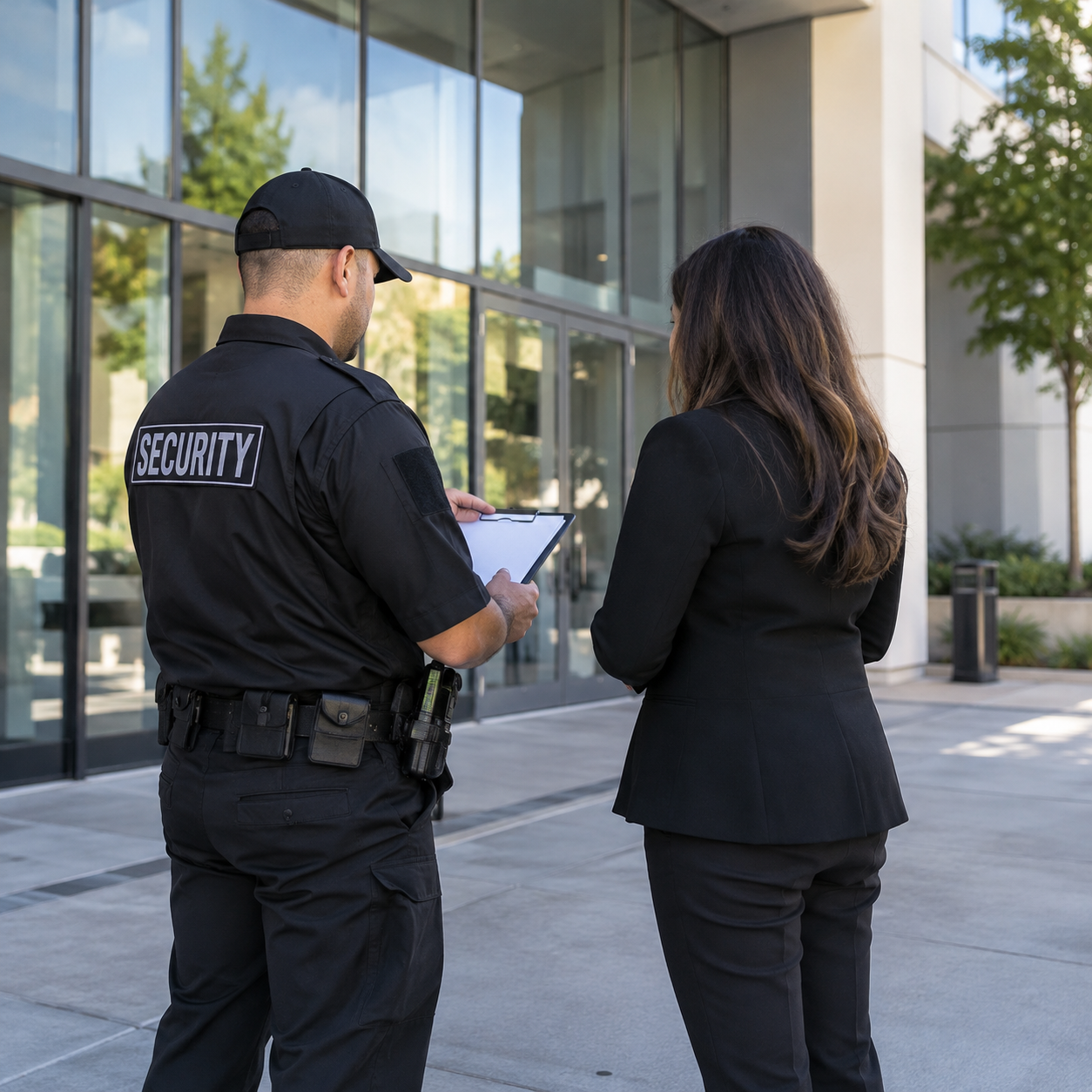
Gated community security patrol Orange County programs succeed or fail on one detail: the gate is only the beginning. Residents pay for privacy, calm, and predictability—yet most incidents happen in the “in-between” spaces: side doors, amenity areas, garages, perimeter paths, and the minutes when access control gets busy and rules soften.
This playbook explains how HOAs and property managers can build a patrol program that reduces unauthorized access, deters property crime, and improves response consistency—without turning the community into a hostile checkpoint.
Why gated communities need a patrol playbook
A gate creates a perception of safety, but day-to-day security depends on repeatable operations:
- High traffic at peak windows (school runs, shift changes, vendor blocks)
- Tailgating and code-sharing at vehicle gates
- Amenities that become after-hours magnets (pools, gyms, clubhouses)
- Perimeter creep (fence lines, trail access, side entrances, rear corridors)
California property crime levels fluctuate over time, but the practical point for HOA leaders is stable: prevention works best when access and deterrence are consistent, and when issues are found early (lighting outages, propped doors, repeat loitering zones). PPIC’s statewide crime trend reporting is a useful context when boards want data-driven discussions around risk and prevention planning.
What “patrol” should mean in a gated community
Not all patrols are equal. A strong gated community program combines:
- Mobile presence: marked patrol vehicle visibility (deterrence)
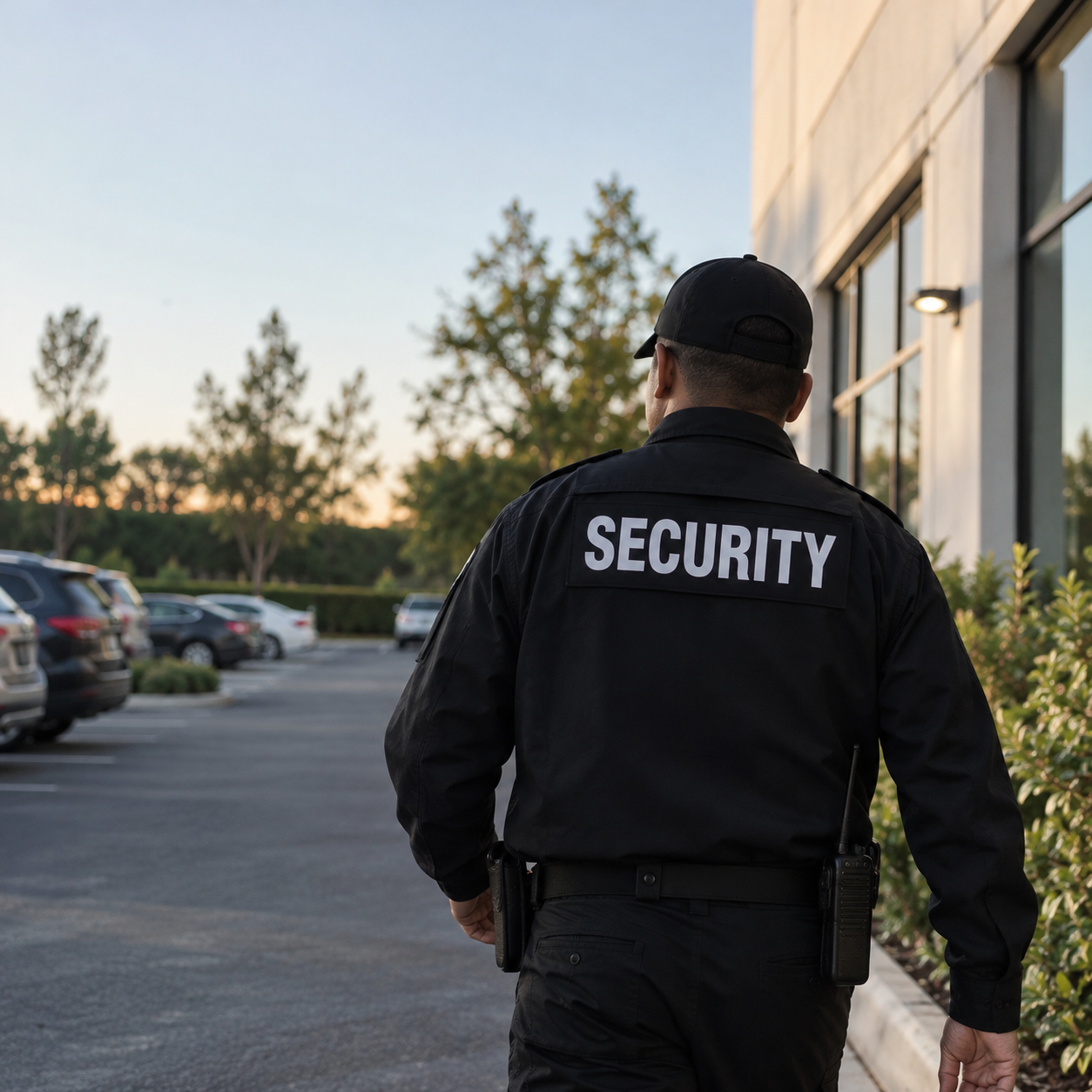
- Foot verification: officers exit the vehicle to check doors, amenities, stairwells, and problem corners (proof)
- Access accountability: gate behavior, visitor flow, and exception logging (control)
- Response readiness: defined escalation steps and communication protocols (speed)
The operational takeaway: If your patrol never gets out of the car, it’s not truly verifying the community’s risk points.
The five layers of effective community security
1) Gate integrity and visitor flow
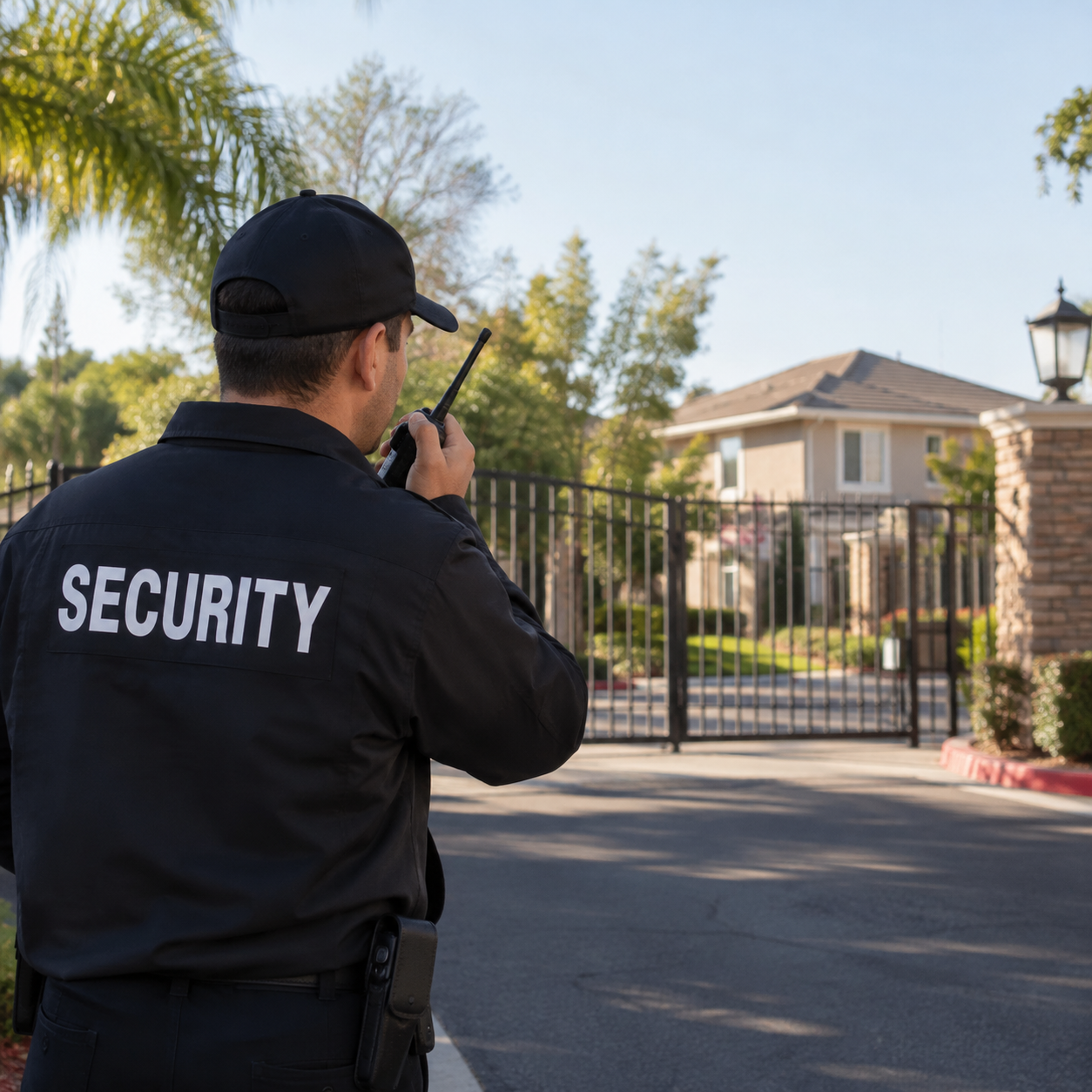
The gate is your “security front desk.” The objective is throughput with control:
- Clear visitor rules: deliveries, vendors, and guests should have a predictable process
- Anti-tailgating habits: officers watch for “drafting” behind authorized vehicles
- Exception tracking: repeated issues (same vehicle patterns, same time windows) get logged and escalated
2) Perimeter and side-door discipline
Many intrusions bypass the main gate through:
- pedestrian side gates
- “exit-only” vehicle gates
- garage entries
- trail connections and back fencing
What good patrol does here:
- targeted perimeter checkpoints (not just driving loops)
- lighting checks and “dark-pocket” reporting
- door testing (secure/closed/propped) during night windows
3) Amenity protection without over-policing
Amenities create the most resident complaints—noise, after-hours use, guests, and conflicts.
- Soft enforcement first: calm instructions and rule reminders
- Structured close-down checks: timed rounds at pool/gym/clubhouse
- Documentation: time-stamped notes protect the HOA when disputes arise
4) Parking and garage risk control
Garages and lots are where break-ins, loitering, and suspicious vehicle behavior cluster.
- Randomized patrol timing to reduce pattern learning
- Foot checks in stairwells/elevator lobbies
- Vehicle presence tracking for repeated after-hours lingering
5) Reporting that boards can use
The biggest ROI from patrol is clarity:
- time-stamped patrol logs
- photos of issues (damage, propped doors, lighting outages)
- dispositions (warned/cleared/trespass/police contacted)
- weekly or monthly trend summaries (hotspots and time windows)
CPTED: the “design layer” that patrol should reinforce
HOAs get better outcomes when patrol aligns with CPTED concepts—access control, natural surveillance, and territorial reinforcement. City-level CPTED guidance often frames how simple design choices (lighting, landscape trimming, sightlines, signage) reduce opportunity and increase perceived risk for offenders. For a clear public explanation of CPTED elements, see Menlo Park’s CPTED overview.
How this connects to patrol: Patrol should report CPTED failures early—burned lights, overgrown sightlines, broken latches—so maintenance fixes become prevention.
Compliance checkpoint: hire properly licensed operators
In California, security providers operating as Private Patrol Operators (PPOs) fall under BSIS oversight. HOA leaders can use BSIS’s PPO resources to verify licensing context and requirements. It’s a smart governance step for boards—especially when evaluating vendors.
How to build a gated community patrol schedule
Anchor times + randomization
A simple, effective structure:
- Anchor checks: gate close, midnight, pre-dawn
- Random rounds: unpredictable checks between anchors
- Directed checks: extra attention on current hotspots (recent thefts, repeat complaints)
“Exception-based” patrol tasks
Instead of repeating the same loop, patrol should adapt to:
- recent incident locations
- known blind spots
- seasonal patterns (holidays, summer amenity use, school-year traffic)
Supervisor oversight
A supervisor should review:
- patrol coverage consistency
- response times to calls
- reporting quality and photo standards
- recurring issues that need management action
If your HOA portfolio includes multiple properties (or you want a stronger patrol framework for boards), see our internal guide on HOA security patrol services San Diego for patrol structure, reporting expectations, and escalation planning that transfers well to Orange County communities.
Ready to strengthen your community’s patrol program?
CWPS supports gated communities with structured patrol operations designed around gate integrity, perimeter verification, amenity checks, rapid response coordination, and clean reporting—so boards can reduce incidents and improve resident confidence with measurable consistency.
- Call: (888) 205-4242
- Email: [email protected]
Quick answers for HOA boards
How many patrol visits per night is enough?
Most communities start with 2–3 anchors plus 1–2 randomized rounds, then adjust based on incident trends.
Do patrols replace cameras?
No—cameras detect and document; patrol verifies, deters, and resolves in real time.
What’s the fastest improvement?
Gate discipline + lighting fixes + photo-rich reporting. Those three upgrades reduce repeat problems quickly.