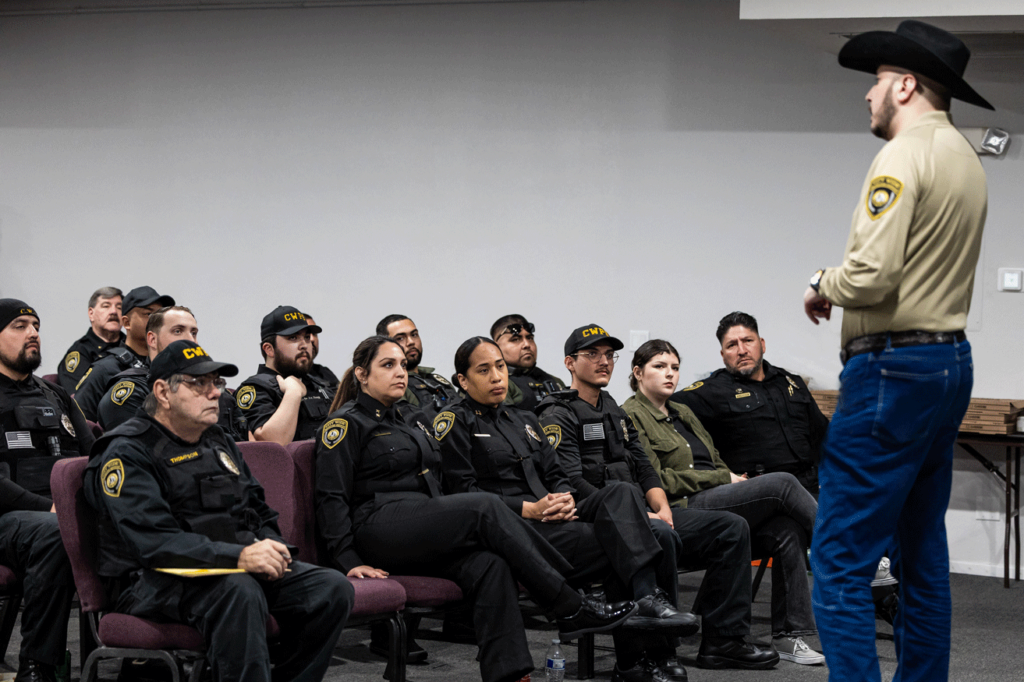
Today’s workplaces—from corporate campuses to multifamily leasing offices—need active threat and de-escalation training for employees that is practical, repeatable, and measurable. The goal isn’t to turn staff into first responders; it’s to give them clarity under stress, proven communication tools to calm people down early, and simple action plans when a situation escalates. Done right, this training reduces incidents, protects teams and customers, and shortens recovery time after critical events.
Why this training matters now
Threats rarely start at a flash point. They build: frustration at a front desk, a dispute in a parking structure, a termination meeting that turns volatile. When employees can recognize pre-incident indicators—raised voice, barrier-crossing, fixated attention, clenched posture—and apply de-escalation techniques before tempers peak, countless emergencies never materialize. For high-consequence scenarios, your people also need a clear, rehearsed plan to act until professional responders arrive.
For a national overview of best practices on active shooter/active threat preparedness, DHS offers widely adopted guidance you can share with leadership and safety committees.
What great training includes (and what it avoids)
Plain-language threat recognition
Employees learn the observable behaviors that typically precede incidents—verbal aggression, boundary testing, pacing, fixation on a grievance—so they can act early without stigmatizing anyone.
A practical model De-escalation Training for Employees
We teach a condensed, easy-to-remember framework that blends empathy, boundaries, and options. Example structure:
- Listen actively: Let the person finish, reflect back the core concern.
- Empathize: Name the feeling (“I can hear you’re frustrated about the delay.”).
- Ask & acknowledge: Clarify the request and constraints.
- Present options: Offer two compliant choices that preserve dignity.
- Set boundaries: Calm, non-threatening, and specific about next steps.
Role-play that mirrors your reality
Generic scenarios don’t stick. Training should recreate your highest-risk moments: reception confrontations, rent or fee disputes, access denials, parking enforcement, vendor conflicts, and after-hours incidents. Staff practice language, posture, distance, and exit routes.
A simple, action-focused threat plan
If escalation continues or weapons are present, employees need a plain-English plan: recognize, alert, and enact the organization’s emergency procedures (e.g., lock/secure, evacuate routes, shelter positions), then hand off to arriving responders. The best plans emphasize communication pathways and reunification—who calls whom, what code or phrase to use, and where teams rally afterward.
Building a culture that prevents incidents
Policy + people + place
- Policy: Clear codes of conduct, trespass/ban procedures, and signage that sets expectations before emotions spike.
- People: Managers model calm, respectful boundary-setting; supervisors praise early, safe interventions.
- Place: Small CPTED (Crime Prevention Through Environmental Design) wins—sightlines at counters, uncluttered exits, appropriate lighting, and controlled access—reduce triggers and fear while helping staff feel in control.
Documentation that helps—not hassles
After any incident, staff should capture who/what/where/when, behaviors observed, language used, and the resolution. Clean reports protect employees, guide coaching, and help leadership spot patterns to fix (layout issues, chronic hot spots, policy gaps).
A 60-day roadmap to launch
Week 1–2: Assess & align
Walk your sites with management and security. Identify hot spots (lobbies, leasing offices, mailrooms, parking areas). Define the three most common high-emotion scenarios for each team. Align HR, Legal, and Operations on language, trespass rules, and documentation.
Week 3–4: Draft the playbook
Write a one-page quick reference: early warning signs, the de-escalation steps, emergency actions, and call trees. Keep it phone-friendly. Prepare role-plays based on your real incident history.
Week 5–6: Train & drill
Deliver a 2–3 hour workshop with micro-drills (5–7 minutes each). Practice tones, phrases, body positioning, and exit routes. Include one high-intensity scenario with a timed decision point and a debrief focused on what improved safety.
Week 7–8: Measure & refine
Track leading indicators (early reports filed, supervisor coaching notes) and lagging indicators (incident severity, time-to-resolution). Adjust scripts, signage, and access controls. Schedule quarterly refreshers and an annual tabletop with leadership.
Tailoring for multifamily, retail, and office environments
- Multifamily/HOA: Leasing disputes, amenity rule enforcement, after-hours noise. Staff learn respectful trespass language, safe distances in corridors, and when to escalate to courtesy patrol.
- Retail & hospitality: Queue stress, returns/exchanges, intoxication, or crowding. Emphasize team positioning, visible options (“Here are two ways I can help now”), and fast supervisor handoffs.
- Corporate/clinical: Terminations, performance conversations, or high-stakes intake. Pair training with room layout (two exits), duress buttons, and pre-briefed security presence during elevated risk meetings.
How CWPS delivers it
- Scenario design from your data: We use your incident logs to build realistic drills.
- Officer integration: If you use patrol or on-site officers, we co-train so staff and security share language and thresholds.
- Measurable outcomes: We set KPIs—incident severity, time-to-resolution, and post-incident recovery time—so leadership sees progress.
Internal link: reinforce your emergency plan
Training is strongest when your emergency procedures are current. Review our guide on Emergency Security Plans for San Diego Businesses to align policy, signage, and drills with your teams’ new skills.
Frequently asked questions
How often should we refresh?
Quarterly micro-drills (10 minutes at shift start) keep skills fresh; run a full workshop annually or after major policy changes.
What about legal risk?
Empathy-first scripts reduce claims related to disrespect or bias. Clear boundaries and documentation protect staff and the organization.
Will this slow down operations?
Good de-escalation is efficient. A 30-second listening window and two clear options often resolve issues faster than forceful refusals that spiral.
Ready to upskill your team?
Give your people confidence under pressure with active threat and de-escalation training for employees that fits your sites, hours, and culture. We’ll build the playbook, train your staff, and measure results.
Call us: (888) 205-4242
Email: [email protected]