Modern corporate campuses are mini-cities. With open plazas, multi-building footprints, and thousands of daily occupants, risk can travel fast. If you manage or influence security for a campus in LA County, you need a plan that’s both comprehensive and nimble. This guide distills best practices for corporate campus security services in Los Angeles County and shows how an integrated approach reduces incidents, response times, and total cost of risk.
Why Corporate Campuses Need a Different Security Model
Corporate Campus Security Los Angeles must account for layered public/private spaces, a mix of employees and visitors, and sensitive assets—from high-value equipment to proprietary data. Traditional lobby guards and perimeter checks aren’t enough. The winning approach blends trained personnel, policy, and technology into a single operating picture that scales hour by hour.
The Four Pillars of a High-Performance Campus Program
1) Prevention: Culture + Presence
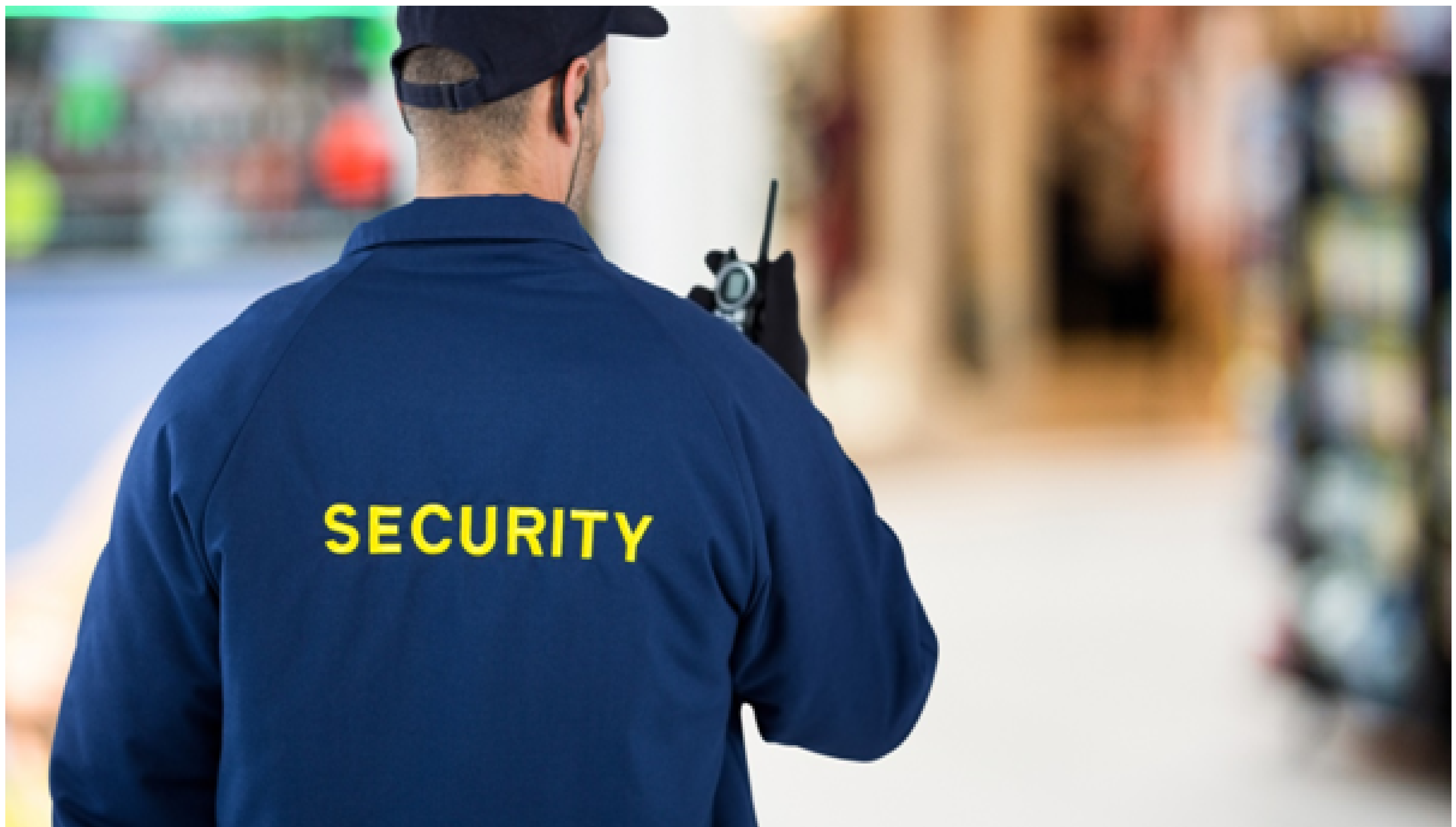
Visible, skilled officers deter most opportunistic threats. But true prevention starts before post orders do:
- Tailored post orders by building and time of day
- Predictive patrol routes aligned to incident heat maps
- Employee awareness and visitor protocols that are simple and consistently applied
- A service-forward demeanor that reinforces brand standards on campus
2) Detection: Cameras, Access, and Human Sensing
Access control, visitor management, and camera analytics work best when tuned to your workflows, not the other way around.
- Access control: zone-based permissions, anti-passback, and real-time alerts for tailgating
- Video: PTZ patrols during higher-risk windows, smart alerts for loitering or perimeter breach
- Human sensing: rovers trained to notice pattern breaks—propped doors, unbadged movements, after-hours anomalies
3) Response: Seconds Matter
The difference between a disruption and a shutdown is usually measured in minutes. A mature program pre-plans the playbook:
- Trigger maps: who moves where on fire, medical, or security alarms
- Rapid dispatch: closest qualified unit, escalated to supervisors, with property manager updates
- Incident command: a single on-scene lead to coordinate with facilities, HR, and public safety
- Documentation: body-cam clips (where permitted), time-stamped reports, and evidence controls
4) Recovery: Learn, Adjust, Improve
Every incident is training data. Close the loop with:
- Root-cause reviews and corrective actions
- Post-incident communications to stakeholders
- Policy, staffing, and route adjustments driven by real metrics
Building the Right Team: Armed, Semi-Armed, or Unarmed?
Start with risk and context. A corporate campus might anchor on unarmed officers for customer experience, then add semi-armed or armed coverage during late shifts, high-value shipments, or elevated threat conditions. Cross-train specialized roles:
- Lobby/concierge officers for front-of-house service and visitor flow
- Rover patrols for garages, docks, and shared outdoor spaces
- Access control specialists embedded with facilities/IT for permissions hygiene
- Event security for all-hands meetings, product launches, and VIP visits
- Rapid response supervisors to handle escalations, evidence, and agency liaison
Technology That Actually Reduces Risk
It’s not about buying more tech; it’s about integrating what you have.
- Unified monitoring: alarms, cameras, LPR, and access events into one view
- Sensible analytics: fewer false alarms by tuning rules per door, zone, and schedule
- Visitor management: pre-registration, QR codes, and consistent verification at every entry
- GenAI-assisted triage (where approved): summarize video alerts for faster human decision-making
- Body-worn video (where permitted): improves training, evidence, and officer safety
For sector-level guidance on commercial facilities and layered protective measures, CISA’s overview is a solid primer you can share with internal stakeholders. Read more here: CISA – Commercial Facilities Sector.
Post Orders: The Secret to Consistency
Excellent officers without excellent post orders still produce inconsistent outcomes. Strong campus post orders should:
- Define clear objectives per post (not just tasks)
- Embed if/then decision trees for alarms, trespass, medical, and evacuation
- Include map references, contact trees, and vendor protocols
- Specify report types, photo/video standards, and evidence handoffs
- Update quarterly with sign-offs from Security, Facilities, HR, and Legal
Measurable Outcomes Property Leaders Care About
Campus programs earn their keep when they deliver improvements you can see on the dashboard:
- Incident rate per 1,000 occupants
- Time-to-detect and time-to-respond (alarms and in-person calls)
- Door hygiene (propped, forced, tailgates) trendlines
- Visitor throughput and wait times at peak hours
- Safety perceptions from quarterly employee pulse checks
Compliance, Duty of Care, and Scalability
Los Angeles County campuses often host contractors, vendors, and after-hours staff. Your plan must clarify:
- Who is authorized where, when, and how
- How you coordinate with building ownership, local law enforcement, and life-safety vendors
- What happens during partial outages (power, network, access servers)
- How to surge staffing during labor actions, product launches, or regional events
Training That Fits the Campus Environment
Campus officers need customer-service polish and de-escalation depth. Prioritize:
- De-escalation and conflict resolution (for lobbies, garages, and shared spaces)
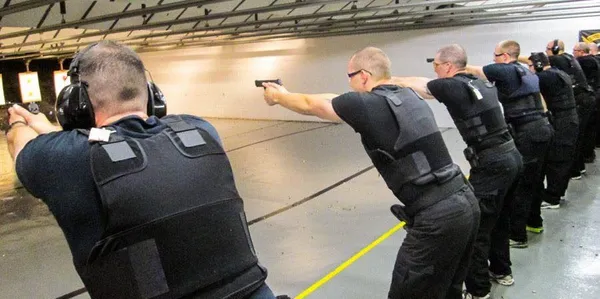
- Active threat/Run-Hide-Fight awareness for staff, plus tabletop drills with management
- Radio discipline and incident command for multi-building events
- Report writing that is objective, complete, and court-ready
If you’re rolling out company-wide preparedness, pair your campus plan with workplace violence prevention training and periodic drills so employees know the playbook as well as Security.
How We Secure Corporate Campuses in LA County
We design, staff, and operate campus programs that emphasize hospitality and readiness:
- Holistic assessment: physical, procedural, and technology gaps
- Right-sized staffing: unarmed, semi-armed, and armed coverage where risk warrants
- SOC monitoring + mobile response: integrated alarm/camera oversight with rapid on-site units
- Data-driven improvements: monthly reporting, quarterly program reviews, and KPI-backed changes
Talk to a campus security specialist today
- Call: 888-205-4242
- Email: [email protected]
FAQ: Quick Answers for Corporate Campus Security Los Angeles
How fast can you scale staffing for a new or expanding campus?
We maintain a regional bench and can surge with temporary posts while long-term roles are vetted and placed.
Can you integrate with our existing access control and cameras?
Yes. We routinely work with common VMS/ACS platforms and can recommend light upgrades only where ROI is clear.
What about after-hours and special events?
We provide event security, VIP escorts, and after-hours patrols, tied into the same dispatch and reporting pipeline for continuity.