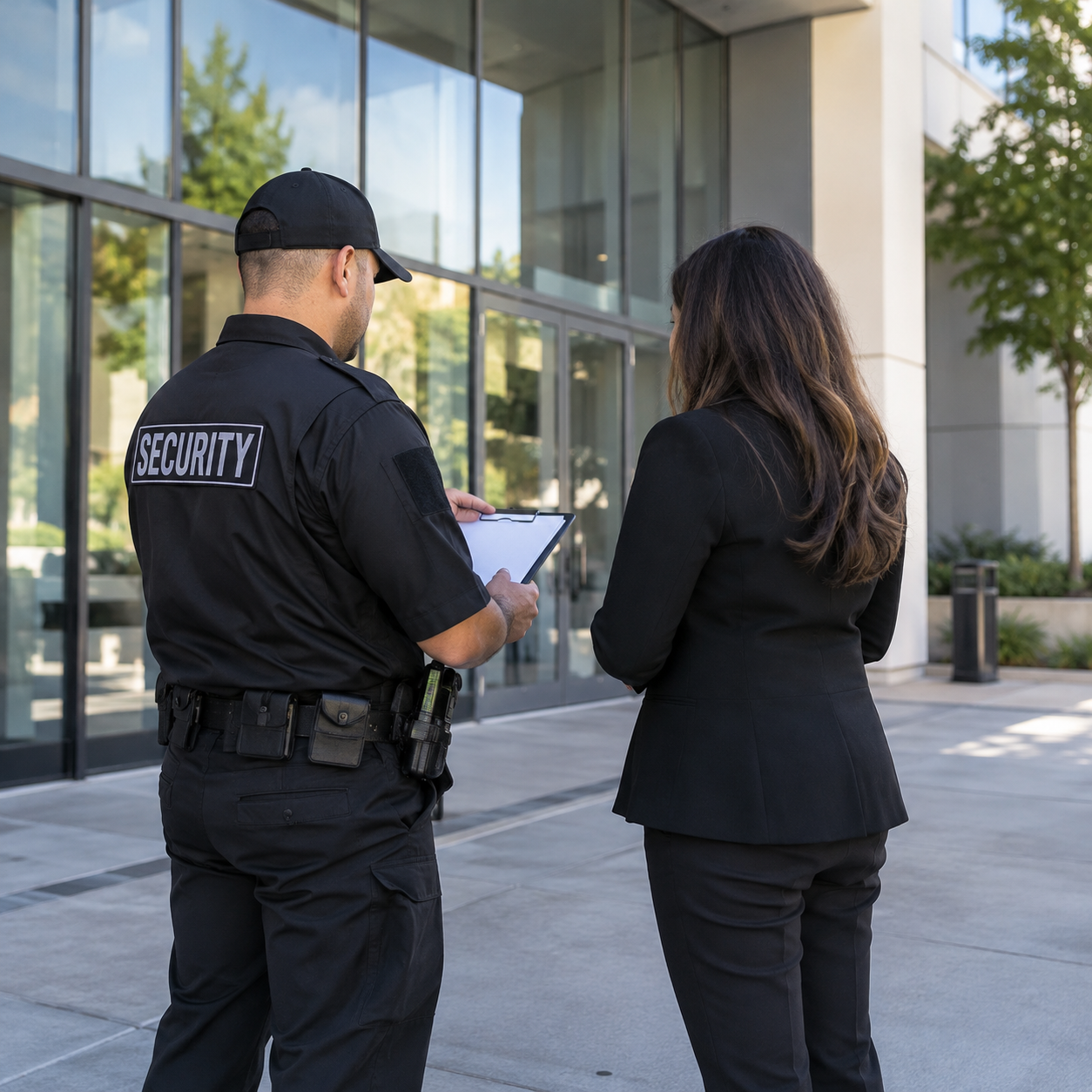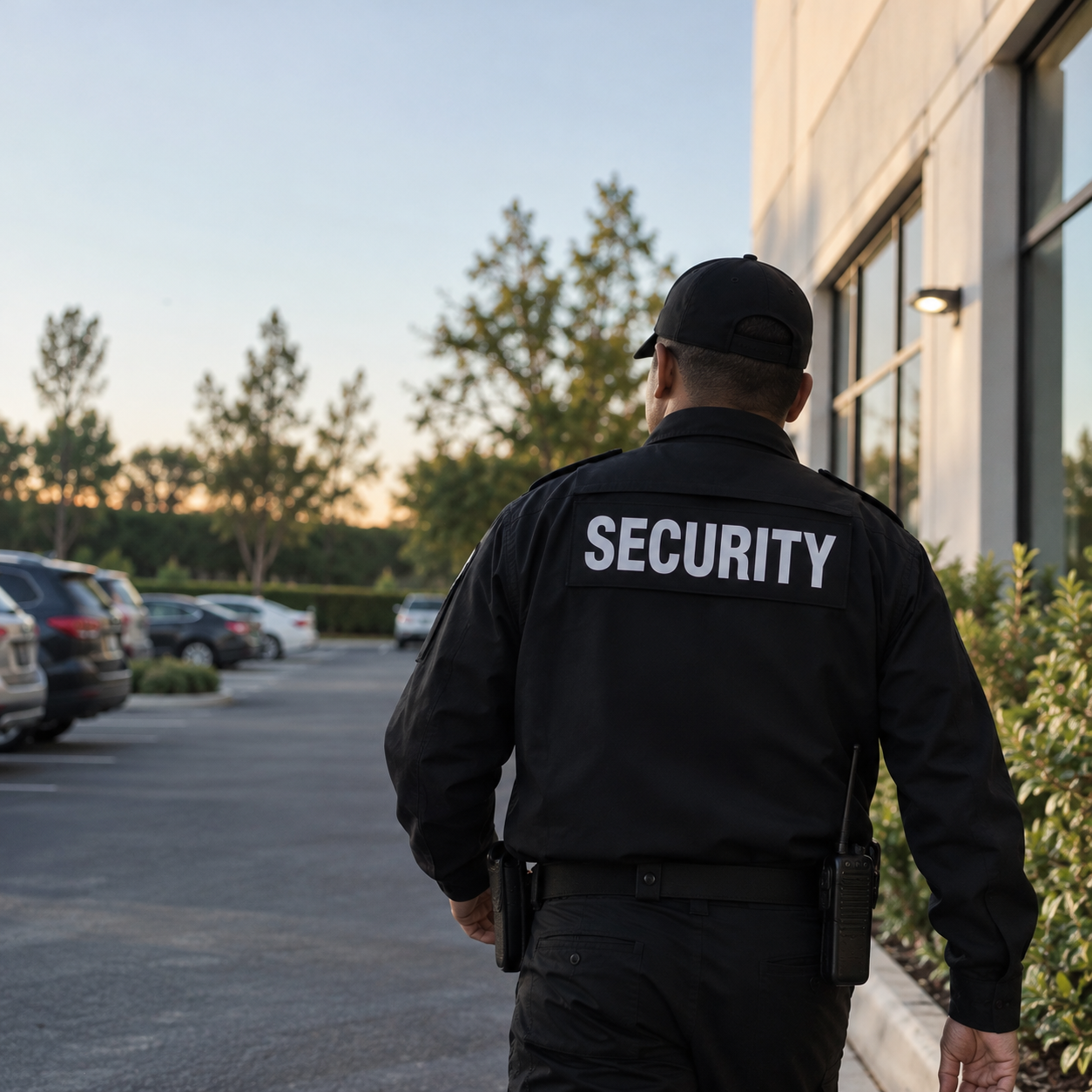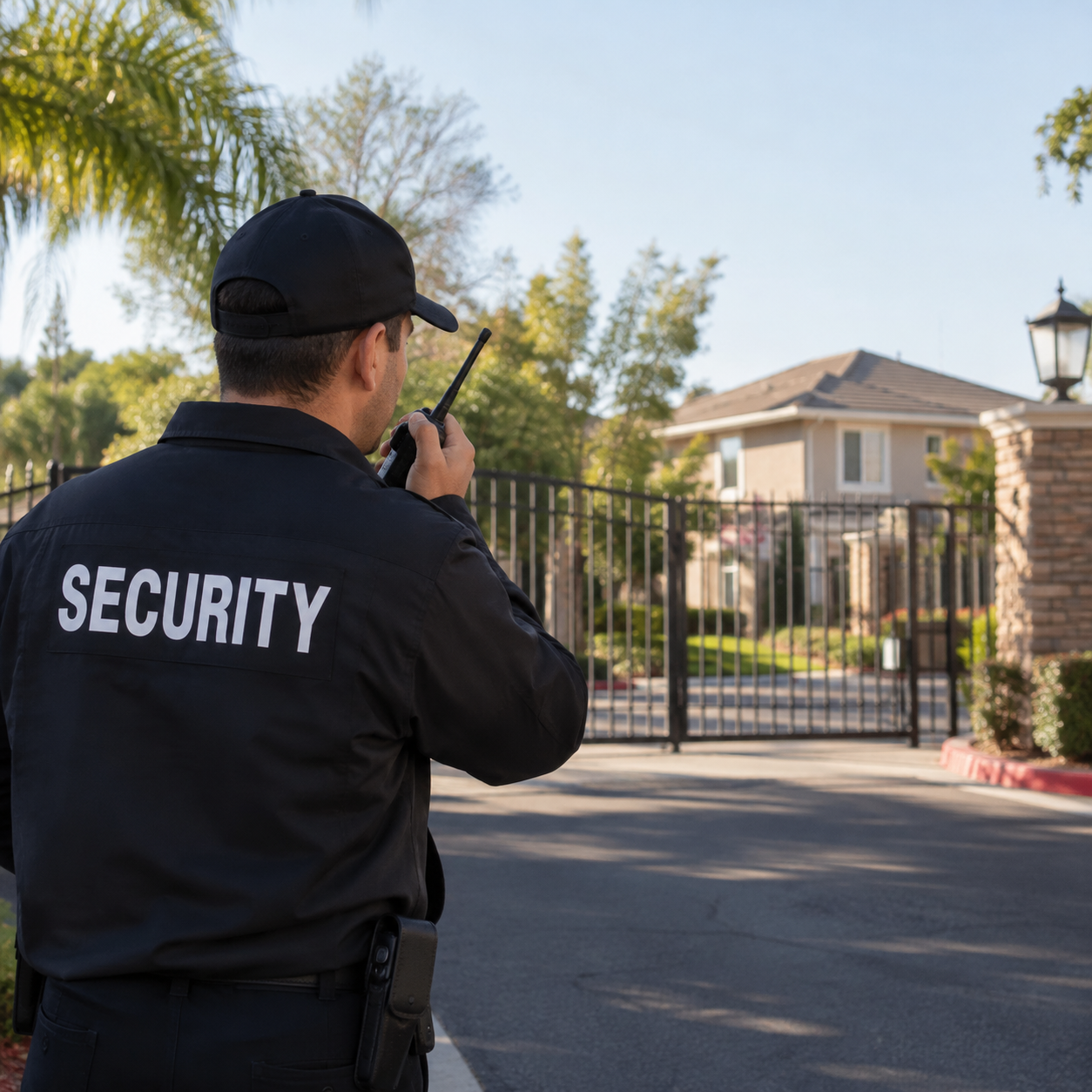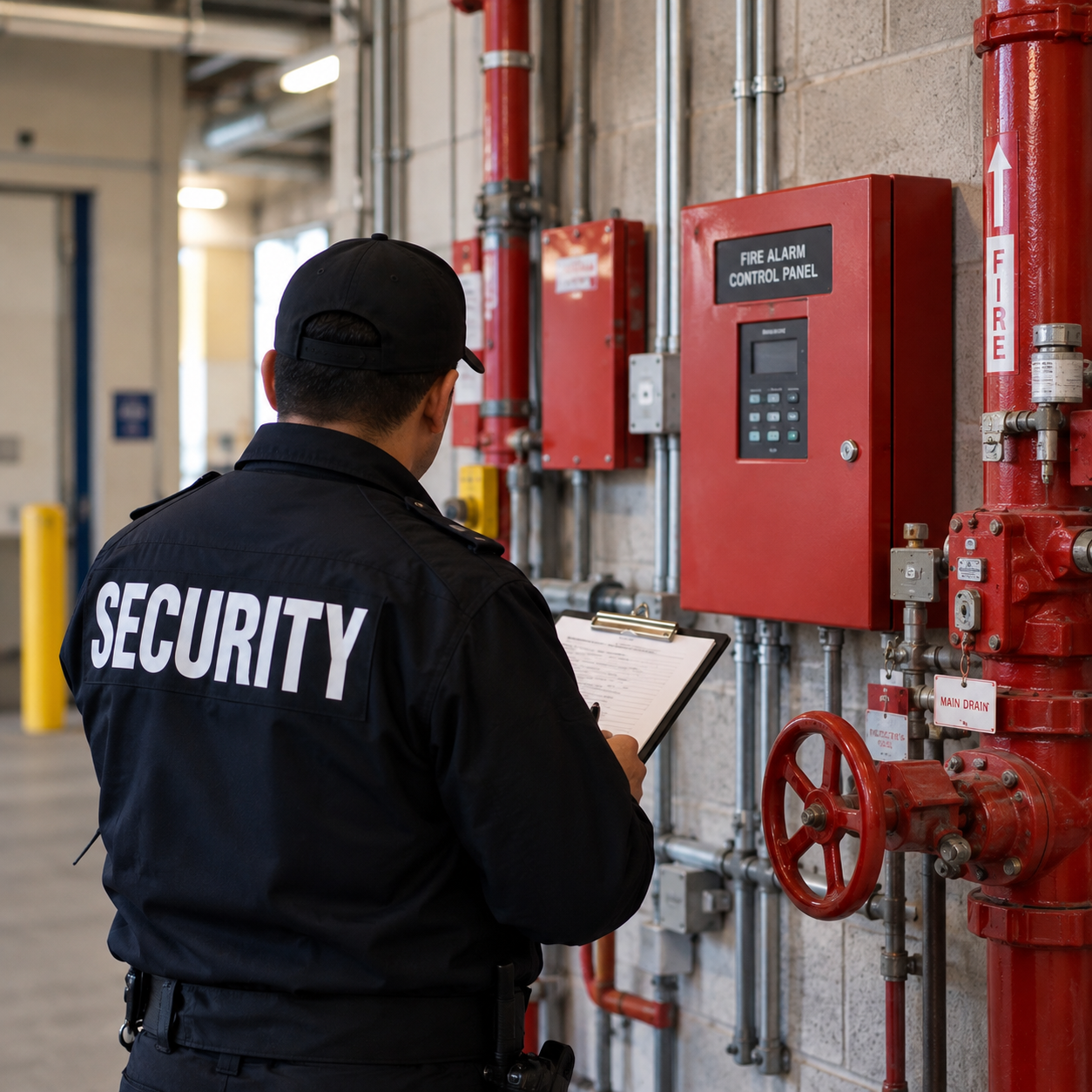
Fire Watch Security Services San Diego property owners rely on provide an essential layer of protection when fire alarms, sprinkler systems, or other life-safety equipment become unavailable. For commercial buildings, residential communities, construction sites, and industrial facilities, even a temporary fire protection failure can create serious safety concerns, operational interruptions, and regulatory obligations.
A professional fire watch program helps identify potential fire hazards, maintain active surveillance, and ensure prompt emergency notification while affected systems are being repaired. Understanding when fire watch is required—and how to organize effective coverage—can help property managers protect occupants and avoid unnecessary disruptions.
When Are Fire Watch Services Required in San Diego?
Fire watch is a temporary safety measure used when normal fire protection cannot adequately protect a building or its occupants.
Under the California Fire Code, when a required fire protection system is out of service, the fire department and fire code official must be notified. Depending on the circumstances, the authority may require an approved fire watch or evacuation until protection is restored.
Common situations include:
-
Fire alarm failures: Detection panels, notification devices, or communication systems stop functioning.
-
Sprinkler shutdowns: Repairs, leaks, or maintenance interrupt automatic suppression.
-
Construction activities: Welding, cutting, or demolition introduces temporary ignition hazards.
-
Building renovations: Work affects existing fire protection systems or access routes.
-
Emergency conditions: Damage or other hazards compromise required life-safety protection.
The operational takeaway: Fire watch is not a replacement for functioning fire protection systems. It is a temporary protective measure that must follow the requirements of the responsible fire authority.
What Professional Fire Watch Personnel Actually Do
Fire watch responsibilities are different from routine security guard duties. Personnel assigned to a required fire watch must concentrate on fire detection, hazard awareness, and emergency notification.
1) Continuous Fire Hazard Surveillance
Fire watch personnel inspect assigned areas for visible smoke, unusual heat, burning odors, and conditions that could lead to ignition.
Depending on the building, patrol locations may include:
-
Mechanical and electrical rooms.
-
Storage areas containing combustible materials.
-
Stairwells, corridors, and evacuation routes.
-
Construction zones and equipment rooms.
-
Areas affected by sprinkler or alarm impairments.
Patrol frequency and coverage must follow the applicable fire authority’s requirements. Where the fire code requires constant fire watch patrols, occasional security drive-throughs are not sufficient.
2) Emergency Communication and Notification
Detecting danger is only useful when personnel can initiate an immediate response.
Fire watch teams need reliable communication equipment, emergency contact information, and clear instructions for alerting occupants and contacting emergency services.
The First Response Priority
If smoke or fire is discovered, personnel should promptly activate the required emergency notification procedures, contact emergency responders, and support evacuation according to their training.
Fire watch personnel are not substitutes for firefighters. They should only attempt to control a small fire when appropriately trained, equipped, and able to do so safely.
3) Accurate Fire Watch Documentation
Detailed records help property managers verify that required surveillance occurred.
A professional fire watch log should document:
-
Patrol times and inspected locations.
-
Personnel assigned to each coverage area.
-
Observed hazards and corrective notifications.
-
Emergency communications and incidents.
-
Shift changes and coverage continuity.
These records may support inspections, management reviews, and communication with the fire authority.
Fire Watch Requirements and San Diego Regulations
San Diego property managers should understand that fire watch requirements depend on the building, nature of the impairment, applicable codes, and directions from the authority having jurisdiction.
The City of San Diego Fire-Rescue Department requires immediate reporting of fire protection system impairments and provides procedures for notifying the department.
For official guidance, readers can visit the San Diego Fire-Rescue Department Fire Protection Systems page. This resource explains system inspection requirements, impairment reporting, and related responsibilities.
Important Local Compliance Considerations
San Diego has also adopted local fire code provisions addressing fire watch personnel qualifications and immediate fire watch requirements for certain system impairments.
Property managers should confirm:
-
Whether fire watch or evacuation is required.
-
Which portions of the building require surveillance.
-
The number and qualifications of assigned personnel.
-
Approved patrol and communication procedures.
-
Conditions for discontinuing fire watch after repairs.
A required fire watch should not be ended simply because maintenance personnel believe the system is operational. Follow the applicable restoration and authorization requirements.
Where Fire Watch Security Services Are Most Valuable
Commercial Buildings and Office Properties
Office buildings depend on functioning alarm systems, protected exit routes, and coordinated emergency procedures.
During system repairs, appropriate fire watch coverage helps maintain hazard awareness while building management works toward restoring protection.
Apartment Buildings and Residential Communities
Multifamily properties require particular attention because residents may be sleeping when an emergency begins.
Coverage plans should account for occupied floors, stairwells, mechanical areas, and communication with residents.
Construction Sites and Industrial Facilities
Construction creates additional fire hazards through temporary electrical equipment, combustible materials, and hot work.
For welding and cutting operations covered by OSHA’s general industry standard, fire watchers are required under specified hazardous conditions. The standard also requires continued observation for at least 30 minutes after the work ends.
Other applicable regulations or permits may require longer periods.
Healthcare and Hospitality Properties
Hotels, assisted living facilities, and healthcare environments present additional challenges when occupants require assistance or buildings remain occupied around the clock.
Fire watch procedures must account for evacuation limitations and coordination with facility management.
How to Choose a Fire Watch Security Provider
Not every security company is prepared to perform a required fire watch assignment.
Property managers should evaluate providers using clear operational criteria.
Personnel Training and Qualifications
Confirm that personnel meet applicable fire watch training and qualification requirements, including hazard recognition, emergency notification, and any required extinguisher training.
Coverage and Deployment Planning
Ask how the provider determines staffing needs across multiple floors, buildings, or affected areas.
A large facility may require several assigned personnel rather than one officer circulating between distant locations.
Reporting and Supervisor Oversight
Reliable providers should explain how patrol logs are maintained, shifts are coordinated, and unresolved hazards are communicated.
Emergency Coordination
Personnel must understand who to notify, how occupants will be warned, and how to cooperate with responding firefighters.
The key consideration: A qualified fire watch is a dedicated life-safety responsibility, not simply another routine patrol assignment.
Fire Watch vs. Fire Alarm Monitoring
Although both services contribute to property safety, they serve different purposes.
Fire alarm monitoring receives and communicates signals from functioning, connected fire detection systems.
Fire watch personnel physically observe designated areas when specific hazards or protection impairments require human surveillance.
For more information about system-based protection, explore our related CWPS topic, San Diego Fire Alarm Monitoring.
The two approaches can complement a broader safety program, but monitoring alone does not replace a required fire watch.
A Practical Fire Watch Implementation Plan
Step 1: Confirm the Impairment
Identify the affected system, determine which areas lack protection, and notify the responsible fire authority as required.
Step 2: Establish Coverage Requirements
Confirm approved staffing levels, personnel qualifications, patrol expectations, and communication procedures.
Step 3: Assign and Brief Personnel
Provide building layouts, hazard information, emergency contacts, evacuation procedures, and approved reporting instructions.
Step 4: Maintain Continuous Accountability
Monitor shift transitions, review patrol documentation, and immediately escalate newly discovered hazards.
Step 5: Restore Normal Protection
Coordinate repairs, required testing, notifications, and authorization to discontinue fire watch when appropriate.
How CWPS Supports Property Safety in San Diego
Established in 2012, City Wide Protection Services (CWPS) provides professional security services, patrol operations, alarm and camera monitoring, and security consultation.
Fire watch is also included among CWPS’s listed services.
Our broader security approach emphasizes professional personnel, clear operational instructions, dispatch coordination, and documented activity.
For property managers facing a fire protection interruption, the priority is establishing appropriate coverage that meets site requirements while repairs are completed.
Need Fire Watch Security Services in San Diego?
When fire protection systems fail, timely decisions and appropriate personnel are essential.
CWPS can discuss your property’s Fire Watch Security Services San Diego requirements and help identify the appropriate next steps for arranging coverage.
Contact our team for information about availability, property requirements, and security service options.
-
Call: (888) 205-4242
-
Email: [email protected]
FAQ: Quick Answers for Property Managers
Is fire watch required when a sprinkler system fails?
It may be. The fire authority determines whether an approved fire watch, evacuation, or other action is required under the applicable code.
Can a regular security guard perform fire watch duties?
Only when the person meets the applicable qualifications and is assigned to perform the required fire watch responsibilities.
How long must fire watch coverage continue?
Coverage generally continues for the period required by the fire authority, until the affected protection is restored and applicable discontinuation requirements are satisfied.
Can security cameras replace fire watch personnel?
Not when the applicable code or fire authority requires dedicated physical fire watch patrols.