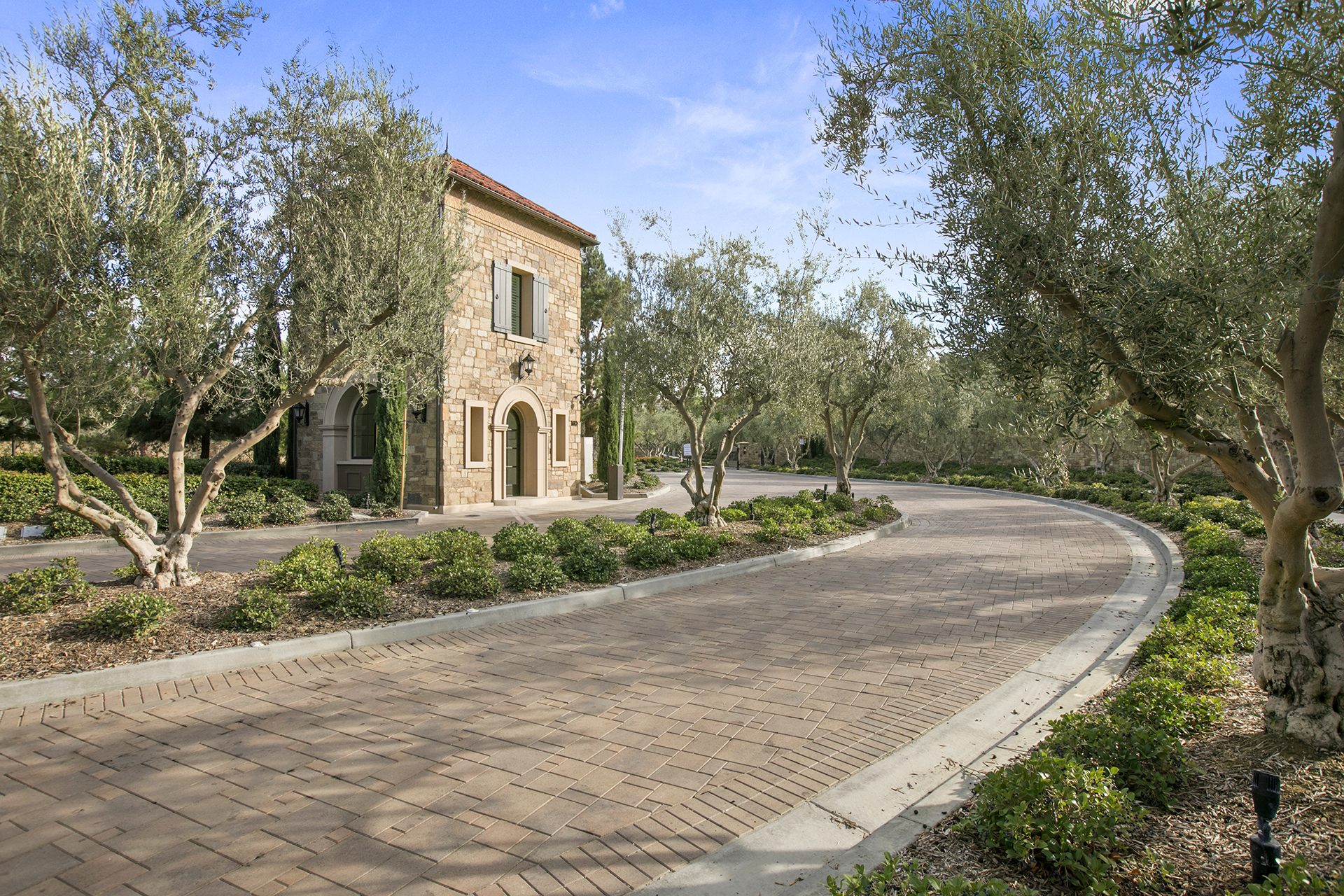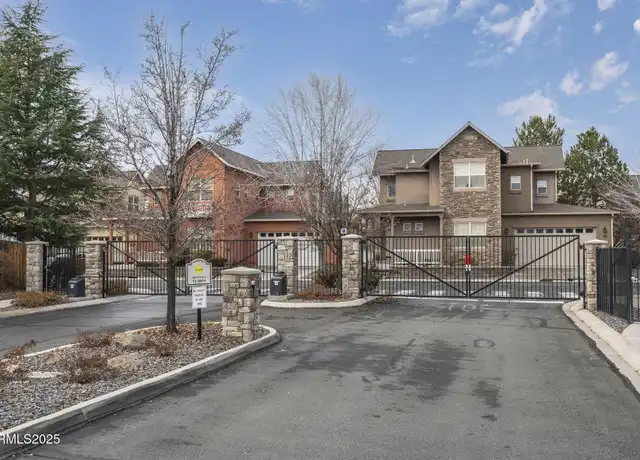
Gates alone don’t guarantee safety. The most reliable gated community security solutions San Diego boards deploy combine strong perimeter design, resident-friendly patrols, camera-verified alarms, and clear HOA policies—woven into a single, measured program. Done right, you deter opportunistic crime, resolve nuisance issues faster, and give residents the daily confidence they expect from a gated lifestyle.
Why gated communities need layered security—not just a closed gate
Gated enclaves reduce casual cut-through traffic and raise the bar for access. But real protection comes from layers that close the gaps: access control at vehicle and pedestrian points, directed patrols at risk windows (parcel hours, overnight garages), and a monitoring center that verifies alerts before dispatching. Research and practice in crime prevention emphasize that well-designed environments and engaged residents cut opportunity and fear—two pillars of CPTED.
Across San Diego County, property-crime patterns still drive the need for targeted strategies. SANDAG’s latest annual bulletin shows property crimes comprise more than half of reported offenses, underscoring the value of deterrence and verification around lobbies, mailrooms, and parking structures.
The four building blocks of a successful gated-community program
1) Perimeter and entry controls that actually scale
- License-plate recognition (LPR) on entrances/exits to match visitor codes with plates and flag repeat issues.
- Resident lanes + guest lanes to reduce tailgating during peak hours.
- Pedestrian side-gates with anti-prop alarms and closer timers near mail kiosks and amenities.
San Diego’s ongoing public discussion around automated license-plate readers (ALPRs) highlights both their investigative value and the need for careful governance. Boards adopting LPR should set clear retention, access, and audit policies with their security vendor.
2) Patrols that are visible, directed, and resident-friendly
- Directed routes that hit mailrooms, elevators, stair cores, gyms, and garages at high-risk times (delivery peaks, late evenings).
- Proof-of-presence tech (QR/NFC checkpoints, photo notes) for transparent logs to support rule enforcement.
- De-escalation first: Officers who solve problems with courtesy and policy knowledge—not just presence.
3) Live camera monitoring with rapid response
- SOC verification (camera view + audio talk-down) before dispatch to cut false alarms and speed the right help.
- Event-based analytics to flag loitering at gates, repeated badge failures, and overnight garage activity.
- Arrival tracking with KPIs: Alert-to-Verify (seconds), Verify-to-Dispatch (seconds), On-Scene Arrival (minutes).
4) Residents as force multipliers (the right way)
A well-run Neighborhood Watch—coordinated with local law enforcement—helps reduce opportunities for crime, improves reporting, and builds cohesion. Point residents to the City’s program for best practices and support.
A 30-day stand-up plan for HOAs and managers
Week 1: Walk-through + risk map
Tour entries, side-gates, garages, and blind spots at night and day. Mark must-hit patrol checkpoints (mailrooms, clubhouse, pool gates, side alleys) and identify quick repairs (bulbs, camera angles, sign clarity).
Week 2: Quick wins + communications
Fix lighting/sightlines, re-aim cameras, add “Patrolled & Camera-Verified” signs. Publish a one-page “How Access Works Here” guide (guest codes, deliveries, parking norms). Encourage residents to join watch groups and report suspicious activity via a single, easy channel—text, app, or dedicated line.
Week 3: Route design + micro-drills
Lock in patrol windows: packages (5–9 p.m.), garages (10 p.m.–2 a.m.), perimeter sweeps (2–5 a.m.). Run 10-minute drills: tailgate at the gatehouse, door-prop alarm at a side-gate, loitering at clubhouse after hours. Tune dispatch scripts.
Week 4: Launch + dashboard
Track KPIs (Alert-to-Verify, Verify-to-Dispatch, Arrival), false-alert reduction, and repeat-cause fixes (door closers, timer tweaks, signage). Review results monthly with management/board; adjust coverage by trend.
Choosing the right officer posture for your community
- Unarmed officers: Ideal for resident-facing patrols, amenity checks, parking reinforcement, policy reminders, and visitor management.
- Semi-armed officers: Consider for larger perimeters, persistent nuisance at entries, or late-night garage issues—paired with stronger selection and supervision.
- Armed officers: Reserve for documented higher-risk scenarios (e.g., repeated threats, severe incidents). Always align with insurance and legal counsel.
No matter the posture, prioritize customer service and de-escalation training. The goal is a secure community that still feels welcoming.
Technology choices that actually help (and how to deploy them)
- Video + audio talk-down: Real-time voice warnings at gates and garages deter trespass and speed compliance.
- LPR + visitor codes: Tighten guest management and create evidence packages for chronic violators.
- Access control at amenities: Pools, gyms, and clubhouses should badge in/out; audit trail supports rule enforcement and incident follow-up.
- CPTED fixes: Trim hedges by walkways, improve path lighting, and keep “ownership cues” (clean signage, well-kept edges) to reduce perceived opportunity. For a practical, readable primer you can share with your landscaping vendor, see this CPTED guidebook.
How San Diego crime context shapes your plan
Regionally, year-end analyses show property crime remains a large share of incidents, but trends vary by neighborhood and time of day. Use your vendor’s reporting to tailor patrol windows and proof-of-presence around the specific micro-risks your community faces (porch piracy, garage entries, clubhouse misuse). For context on county-level patterns, review SANDAG’s 2024 and 2025 updates.
Internal synergy: pair gates with mobile patrols
Gated entries set the tone, but mobile patrol coverage stitches the whole map together—especially for multi-entrance neighborhoods and shared garages. See how our San Diego Mobile Security Patrols approach adds directed routes, must-hit checkpoints, and photo-verified logs that boards can use for compliance and repeat-issue fixes.
Service model and deliverables you should expect
- Response SLAs by time window (evenings vs. overnight).
- Officer run-book with zone priorities and amenity etiquette (quiet hours, pool rules).
- Monthly trend brief: incidents, near-misses, false alerts reduced, and remediation status.
- Evidence packages: video stills + notes suitable for hearings or enforcement letters.
- Resident engagement: optional safety nights with Neighborhood Watch guidance and Q&A.
Ready to make your gated community feel truly secure?
We’ll design gated community security solutions San Diego residents trust—visible, courteous, and measurably effective.
Call us: (888) 205-4242
Email: [email protected]