San Diego’s businesses, HOAs, and campuses don’t shut down after dark—and neither do threats. Overnight security guard services San Diego provide a visible deterrent, rapid response, and steady reporting when staffing is lean, lighting is low, and incidents are more likely to go unnoticed. Below is a practical guide to what “night shift” protection should include, how to measure performance, and why investing in after-hours coverage pays off.
What “Overnight” Coverage Really Means
A true night program is more than posting a guard from 10 p.m. to 6 a.m. Done right, it blends people, procedures, and technology so nothing slips through the cracks while your team sleeps:
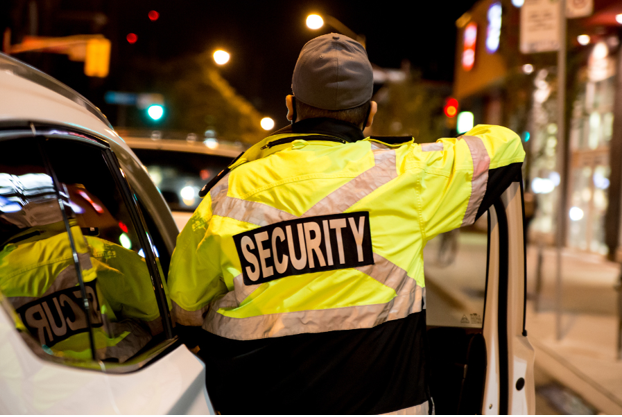
- Dedicated night posts & mobile patrols to cover static entrances plus roaming hotspots (alleys, docks, garages, vacant floors).
- Tiered response—on-site guards supported by mobile units for backup, with clear escalation to management and law enforcement.
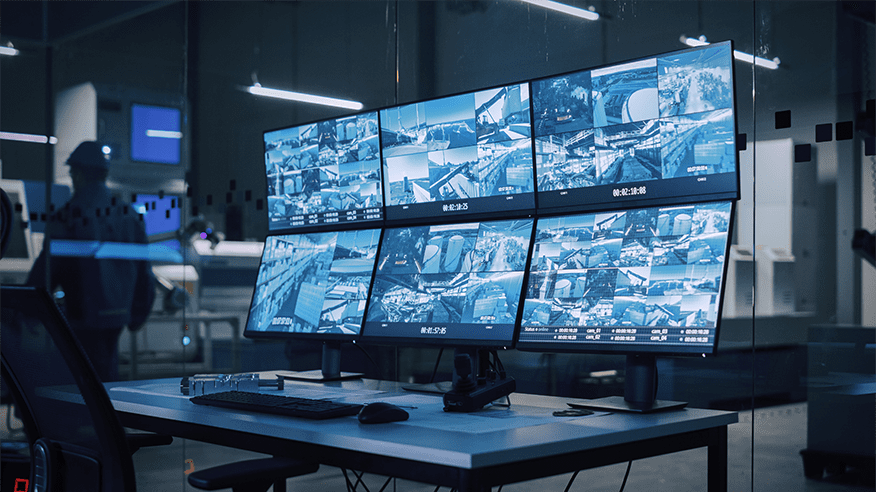
- Cameras + live monitoring to multiply a single officer’s reach and verify alarms in seconds.
- Lighting, access, and lock-up routines that harden targets before the last employee leaves.
- Incident reporting & passdowns so the day shift starts with facts, not guesses.
Want a deeper look at local trends? The San Diego Police Department publishes citywide crime dashboards you can explore to understand patterns and hotspots you care about most.
Why Night Hours Need Special Attention
Many risk factors spike at night: fewer witnesses, reduced lighting, and longer response times without a dedicated plan. OSHA also highlights workplace violence risk factors and the value of prevention programs—relevant for any site that runs late shifts or keeps lone workers on duty overnight. (See OSHA’s guidance to learn more.)
Locally, SDPD’s data tools let property managers review offense types and locations across neighborhoods, which is invaluable for setting post orders that match reality—rather than assumptions.
Core Components of Night-Shift Security
1) Post Orders That Adapt After Dark
Night post orders should differ from daytime. Effective instructions include: timed patrol loops, door/gate checks, lighting inspections, camera health checks, and quiet-hour noise enforcement for communities. Add contingency steps for elevator entrapments, trespassers, late deliveries, and power outages.
2) Patrol Density and Patterning
Predictability invites workarounds. A mix of foot, bike, and vehicle patrols with randomized timing reduces blind spots. For spread-out campuses, a dedicated mobile unit improves coverage and allows faster response to alarms or verified camera alerts. If you’re comparing options, see our guide to San Diego mobile patrol security services for deployment models and KPIs that translate well to the night shift.
3) Camera Monitoring + Verified Response
Pairing fixed posts with live camera monitoring lets one officer cover more ground—and verify events before escalation. A verified event (trespass, break-in, vandalism) enables faster, prioritized response and better evidence retention. For a broader overview of camera-based deterrence and response models, SDPD’s CPTED resources and small-business survey materials outline practical “target-hardening” moves you can implement tonight.
4) Access Control & Gate Routines
Night is when tailgating and prop-open doors tend to happen. Require badge audits, visitor logs, and timed lock-ups—and script exactly how guards handle deliveries or ride-share pickups. SDPD’s community safety tips also emphasize visibility, lighting, and good signage—simple, low-cost wins that matter more after dark.
5) Workplace Violence Prevention for Late Hours
If you run 24/7 operations, train guards and supervisors on recognizing agitation, de-escalation, and “lone worker” protocols. OSHA’s prevention program materials are a solid framework for checklists, training cadence, and incident follow-up.
How We Staff and Measure Night Coverage
At City Wide Protection Services (CWPS), we design overnight security guard services San Diego around performance you can see on a dashboard the next morning:
- Fit-for-site staffing: Unarmed, semi-armed, or armed—matched to the property’s risk profile and local policies.
- Patrol accountability: Time-stamped GPS patrols, NFC checkpoint scans, and camera-assisted spot checks.
- Response SLAs: Clear targets for alarm-to-eyes-on and eyes-on-scene, with after-action reporting.
- Problem-solving loops: Recurring issues (after-hours loitering, garage break-ins, loading-dock tailgating) get tracked until fixed, not just noted.
- Professionalism after midnight: We prioritize low-noise, high-presence patrols—keen on safety, respectful of residents and neighbors.
Ideal Use Cases for Night Guards
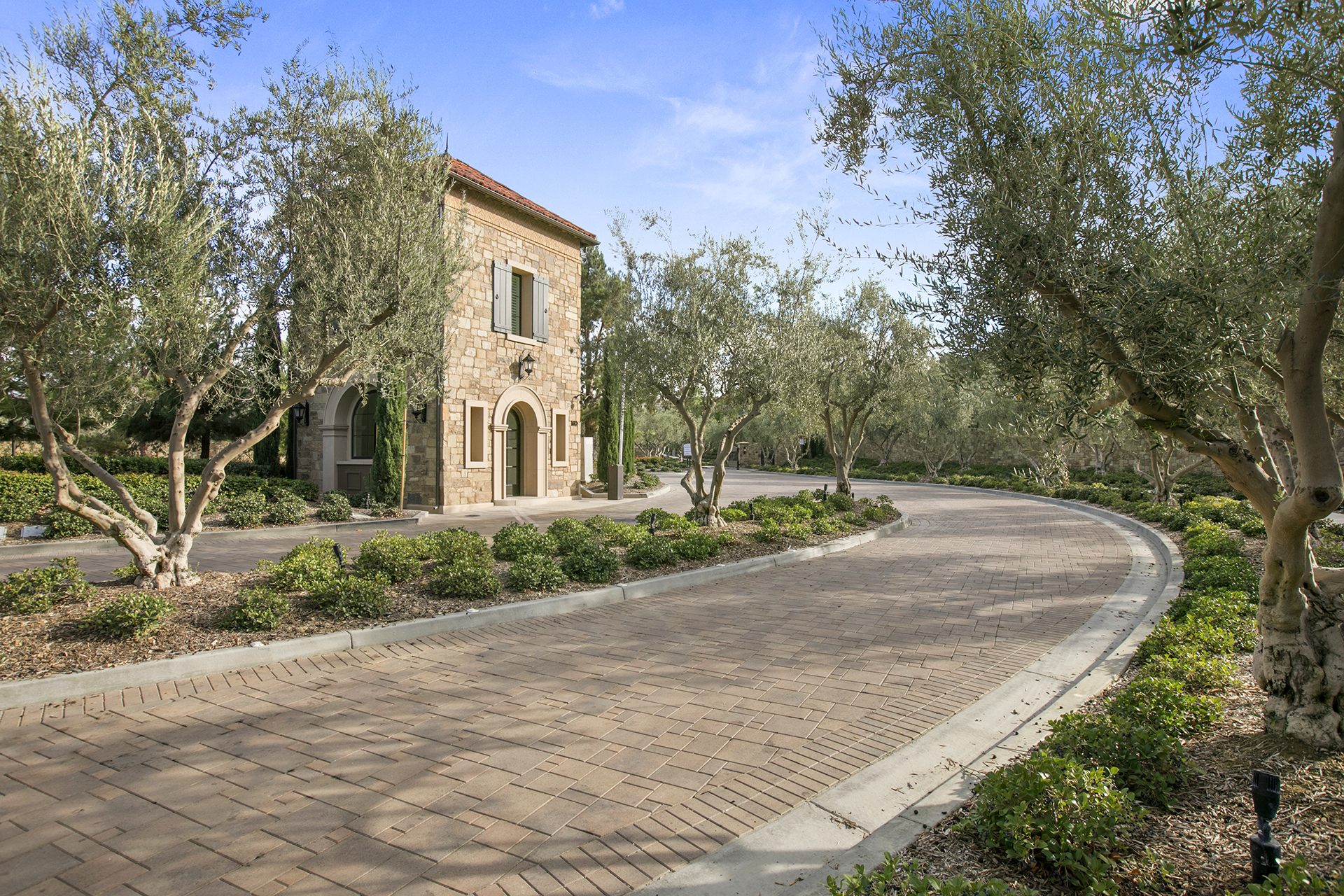
- HOAs & Gated Communities: Quiet-hour enforcement, amenity checks, parking violations, and quick response to noise complaints.
- Commercial Complexes: Garage patrols, dock checks, suite walks, and lock-up/open-up routines.
- Industrial & Yard Sites: Perimeter sweeps, copper/theft deterrence, and camera verification of motion events.
- Retail & Hospitality: Late-night openings/closings, line management, employee escorts, incident documentation.
- Healthcare & Education: Policy-driven access, calm de-escalation, and sensitive incident handling after visitors leave.
SDPD’s Neighborhood Crime Summary Dashboard helps tailor these use cases by neighborhood—use it to validate patrol frequency and the times you need the most coverage.
Building a Night Program in Four Steps
- Risk Walk + Lighting Audit
Map dark zones, broken fixtures, obscured signage, and camera blind spots. Address quick wins (bulbs, trimming, mirrors) before adding labor hours. CPTED principles from the City’s materials are a helpful checklist. - Right-sized Staffing Model
Choose fixed posts for gates/lobbies and use mobile patrols to sweep the rest. If incidents are rare but high-impact, consider semi-armed coverage with fast mobile backup. - Camera-Verified Alarms
Route alarms to live operators at night. Verified visuals reduce false dispatches and raise the priority of responses. - Train, Test, and Track
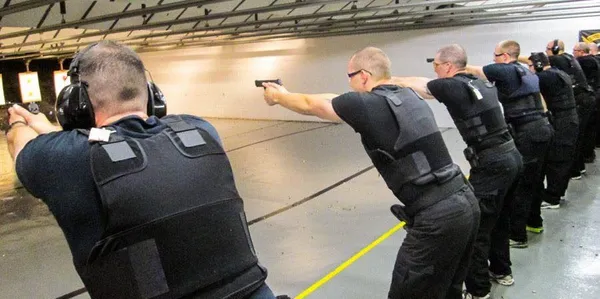
Run late-hour drills (after-hours fire alarm, elevator entrapment, trespass, medical) and score the timeline: detection → verification → response → close-out. OSHA’s prevention-program guidance can inform the training cadence and documentation.
Why CWPS for Overnight Security
- Proven response: Thousands of real-world calls handled across San Diego, with rapid dispatch standards and clear passdowns by 6 a.m.
- Integrated tech: Live camera monitoring, patrol verification, and detailed nightly reports you can forward to stakeholders.
- Flexible coverage: Scale up for construction phases, seasonal patterns, or post-incident reinforcement—then right-size again.
- Community-minded: Quiet presence, professional conduct, and de-escalation first—without sacrificing speed when it counts.
Ready to harden your site after dark? Talk to City Wide Protection Services about a tailored overnight security guard services in San Diego plan and a no-obligation risk walk.
- Call: (888) 205-4242
- Email: [email protected]
We’ll align staffing, patrols, and camera monitoring to your exact footprint—and show you how we’ll measure results every night.