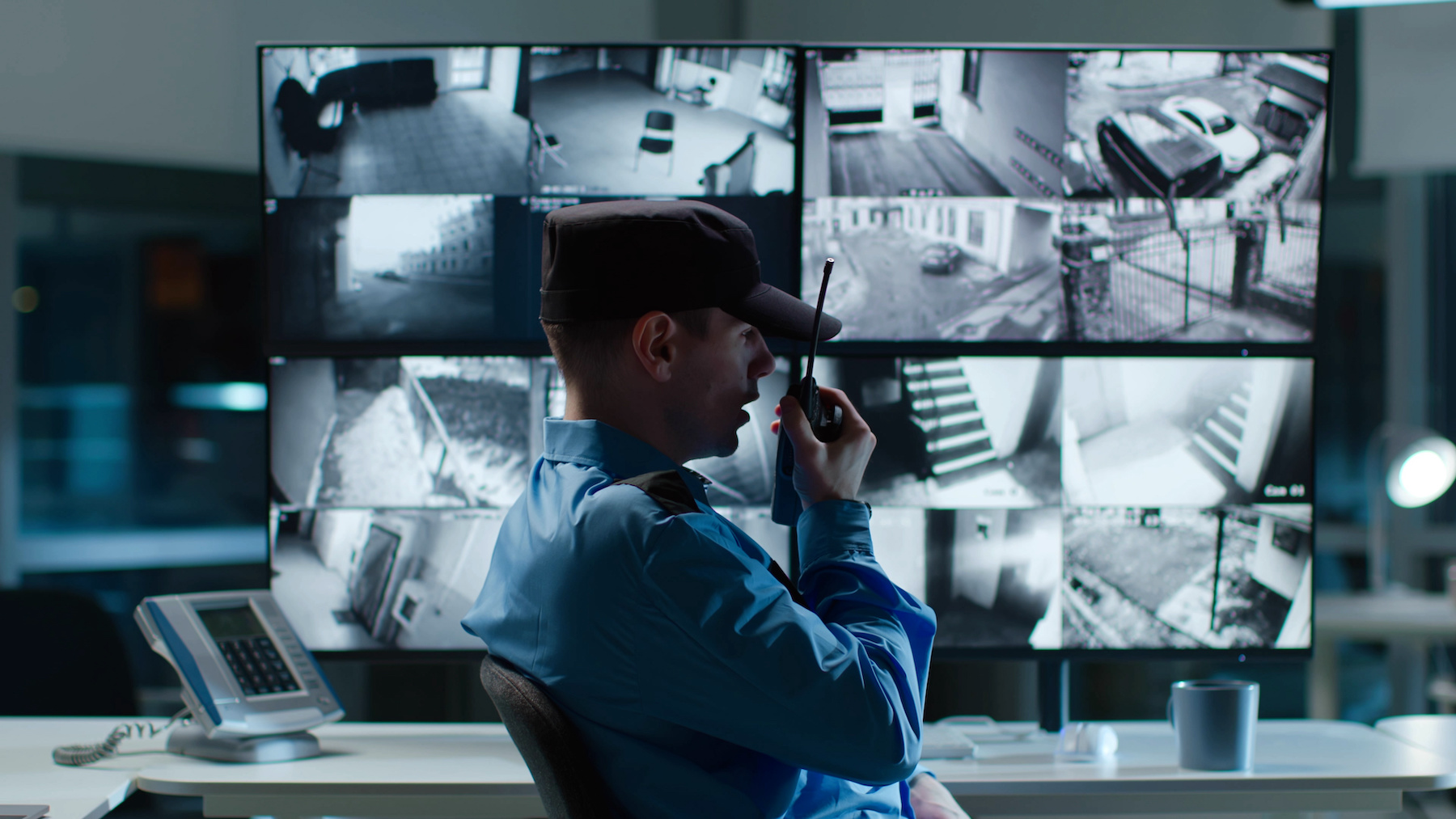
If you manage a retail center, multifamily community, industrial yard, or office park, you know threats don’t clock out. Remote video guarding services San Diego organizations rely on combine intelligent cameras, trained operators, and rapid dispatch to stop incidents early—often before damage is done. This guide explains how a professional remote video guarding (RVG) program works, what to expect in deployment, and how to measure ROI against traditional guard-only coverage.
Why upgrade to remote video guarding?
Modern RVG blends three layers:
- Smart detection. AI analytics flag people, vehicles, loitering, line-crossing, after-hours access, and perimeter breaches.
- Human verification. A live operator immediately reviews the alert, speaks through speakers, and escalates as needed.
- Coordinated response. Your service triggers on-site patrols, calls 911 when appropriate, and documents everything with video evidence.
Compared to a static camera system or a roving guard alone, RVG delivers broader visibility, faster decision-making, and consistently documented events—24/7.
What a San Diego deployment typically includes
- Site risk walk-through. Camera placement is mapped to critical assets (entries, loading docks, parking, dumpsters, storage, rooftops) and common incident paths.
- Perimeter-first design. Thermal or low-light cameras, PIR sensors, and analytics watch fences, gates, alleys, and blind spots.
- Audio deterrence. Clear, authoritative talk-downs (“You in the black hoodie—this area is under live surveillance. Leave now.”) end many incidents before they escalate.
- Event rules tuned to your property. After-hours schedules, vendor whitelists, vehicle allow-lists, and geo-fenced zones reduce nuisance alerts.
- Response playbooks. Exactly what happens for trespass, break-in, tailgating, vandalism, or fire alarm—who gets called, in what order, with what evidence.
Pairing RVG with patrol yields the strongest coverage: cameras detect and verify, officers intervene and document.
Compliance and best practice alignment
Well-designed video guarding aligns with widely accepted physical security practices: layered access control, lighting, fencing, and surveillance for deterrence and response. For a deeper dive into how surveillance fits inside an all-hazards protection strategy, see federal venue and facility guidance (helpful even for private properties).
Locally, San Diego’s property-crime profile shifts year to year across theft, burglary, and vehicle incidents. Monitoring regional trends helps property managers adjust coverage hours and camera rule-sets seasonally; SANDAG’s crime research hub is a reliable place to review updates.
Benefits you can measure
1) Faster, cleaner escalations
Video-verified events give dispatchers and first responders immediate context (suspect description, direction of travel, on-site risks). Verified incidents are widely recognized as higher-priority than unverified alarm trips in many jurisdictions, which can translate to quicker response and fewer false-alarm fees.
2) Deterrence you can hear (and see)
Live audio challenges end many incidents within seconds. When offenders realize they’re being watched in real time—and that officers or police have been notified—they typically retreat.
3) Lower total cost for wider coverage
RVG lets you cover more square footage after hours without adding multiple posts. Many clients replace a late-night guard post with video guarding plus scheduled drive-through patrols, keeping outcomes high while cost stays predictable.
4) Better documentation and claims defense
Clip-based incident packages (timeline, annotated screenshots, officer notes) help with landlord-tenant issues, insurance claims, and repeat-offender cases.
Where RVG shines in San Diego
- Multifamily & HOAs: Garages, mailrooms, pools, and side gates are frequent targets; RVG locks down amenities and deters catalytic-converter thefts.
- Shopping centers: Loading docks and back-of-house corridors benefit from analytics that distinguish people vs. vehicles vs. animals.
- Industrial yards & solar sites: Wide perimeters, high-value inventory, and after-hours deliveries fit RVG perfectly.
- Biotech/pharma campuses: Off-hours lab access and temperature-sensitive storage need both audit logs and immediate human verification.
If you manage a retail complex or business park, our deep dive on San Diego Video Surveillance Systems explains how to select cameras, lenses, and retention—an ideal companion read.
Design decisions that drive results
Camera mix and placement
Blend fixed and PTZ cameras. Fixed lenses watch choke points; PTZs zoom on license plates or hands when an alert fires. Avoid over-zooming during setup—analytics work best with full-body coverage and stable framing.
Lighting and audio
Uniform, non-glare lighting helps both analytics and identification. Weather-rated horns/speakers near hot spots make talk-downs crisp and credible.
Rules and schedules
Start conservative to avoid nuisance alerts, then iterate. Many San Diego properties extend tighter rules during seasonal spikes (holiday retail, summer pool season).
Data privacy & retention
Define who can view live feeds and clips, how long footage is stored, and how sharing works for residents, tenants, and law enforcement. Transparent signage supports deterrence and compliance.
Integrations that multiply value
- Access control + RVG. When a door forces open at 2:13 a.m., the SOC instantly pivots to the correct camera view and issues a live challenge.
- LPR (license plate recognition). Flag repeat offenders or banned vehicles; get earlier warning when known plates enter.
- Patrol dispatch. Camera operators can trigger our mobile units for on-scene verification, escorts, or evidence preservation.
- Fire and environmental sensors. Pair smoke/water/temperature alerts with visual verification to prevent loss.
Implementation timeline
- Assessment (Week 1). Threat walk-through, camera plan, talk-down locations, response matrix.
- Install & configure (Weeks 2–3). Cameras, networking, secure remote link to our Security Operations Center.
- Tuning (Week 4). Analytics thresholds, audio scripts, escalation contacts.
- Go-live + 30-day optimization. Weekly review of alerts, false-positive trimming, and gap closure.
Service options
- After-hours monitoring: Evenings, overnights, weekends, holidays.
- 24/7 monitoring: For high-risk sites or continuous operations.
- Hybrid: Remote monitoring + scheduled patrol drive-throughs for physical presence at key times.
- Event-only: Temporary coverage for construction, outages, or special events.
How to compare proposals
- Detection coverage map: Ask for a heat map showing analytics zones and blind spots.
- Operator SLAs: Typical live review under 15–30 seconds; ask for actual recent performance.
- Audio challenge scripts: Clear, property-specific language matters.
- Incident packaging: Ensure clips, notes, and timestamps are turnkey for claims and police reports.
- Scalability: Adding cameras, LPR lanes, or new buildings should not require a full redesign.
Call the team that lives this, nightly
City Wide Protection Services designs, installs, and operates remote video guarding services in San Diego backed by our 24/7 Security Operations Center and rapid patrol response. Let’s harden your site and lower incident rates this quarter.
Call us: (888) 205-4242
Email: [email protected]