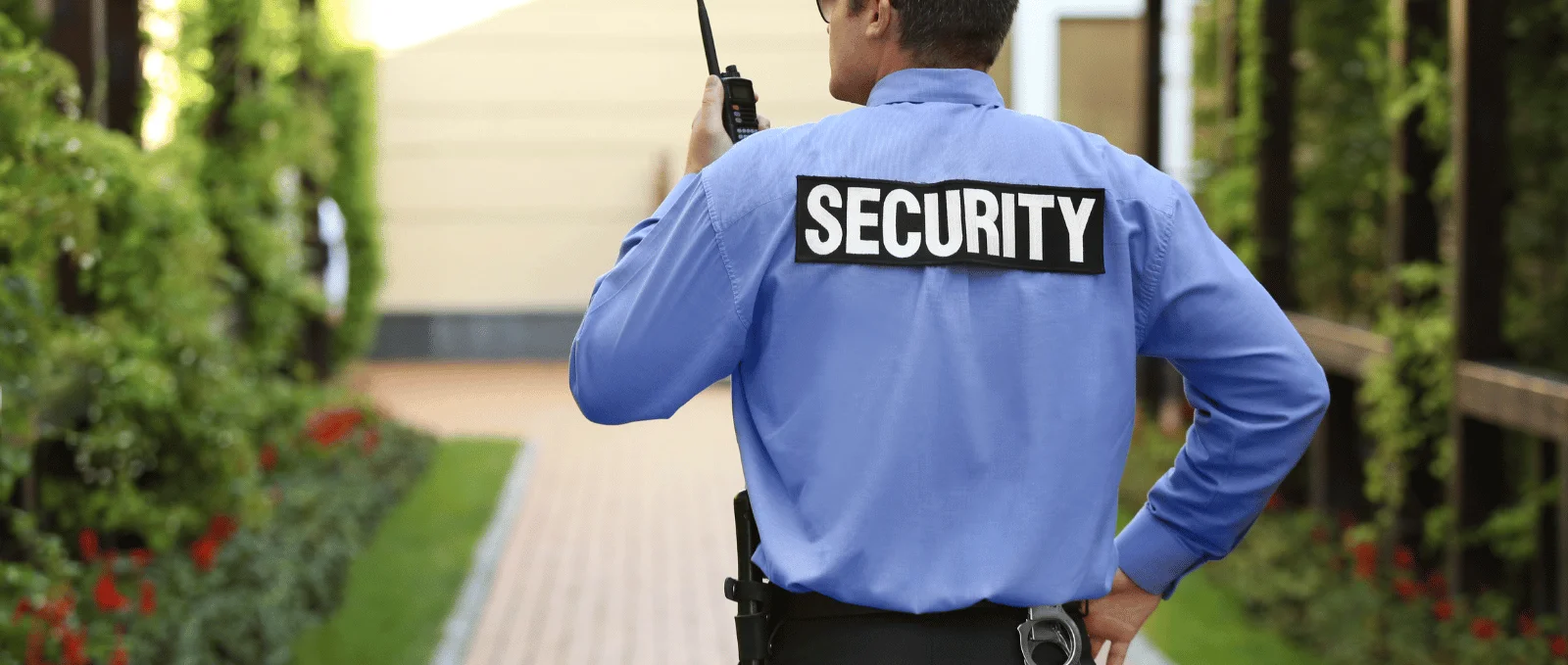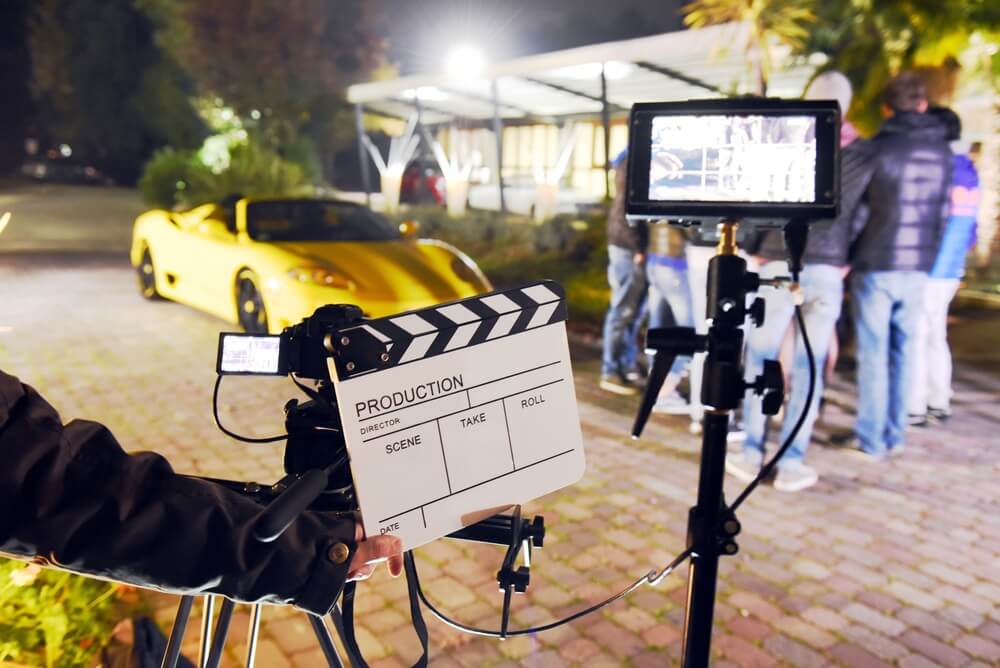
Security guards for film and TV production sets Los Angeles need to do more than “stand by a truck.” A working set is a moving target: call times shift, locations change, high-value gear sits in plain sight, and a single disruption can burn hours of budget fast. The goal is simple—keep the production running while protecting people, equipment, and access-sensitive information.
Why production sets have unique security risk
Film and TV sets combine three realities that don’t usually exist together:
- High-value assets in temporary spaces: Cameras, lenses, lighting, generators, and specialty rigs can be loaded/unloaded multiple times a day.
- Complex access flow: Crew, talent, vendors, background, and visitors create constant credential pressure.
- Public exposure: Many LA shoots touch sidewalks, neighborhoods, and public-facing areas—meaning crowds, curiosity, and opportunistic theft can show up quickly.
The operational takeaway: Production security works when it’s planned like an operation—perimeter + access control + patrol verification + rapid response + clean reporting.
The baseline: safety, duty of care, and incident prevention
Production isn’t only about property protection. It’s also about preventing confrontations and keeping the set stable. OSHA defines workplace violence broadly (from threats to physical assaults), which is a helpful framework when you’re thinking about crowd friction, denied access, and conflict escalation on set.
California also maintains motion picture safety resources and requirements that reinforce structured planning and documentation—especially when productions involve larger crews, special activity, or elevated risk conditions.
What set security guards actually do
Access control and credential discipline
This is the heart of set security—who enters, when, and why.
- Check-in control: Verify crew lists, vendor arrivals, and approved visitors.
- Zone control: Split the footprint into zones (basecamp, set, equipment staging, talent holding, production office).
- Call-sheet protection: Keep details from spreading unintentionally (especially on public locations).
- Gatekeeping that stays professional: “Firm and calm” beats “aggressive and loud” every time.
Perimeter and soft-perimeter management
A film set often has two perimeters:
- Hard perimeter: fences, barricades, cones, controlled doors, and locked gates.
- Soft perimeter: a controlled buffer that reduces wandering, filming interference, and friction.
Security guards should manage both—so a curious passerby doesn’t become a safety issue or a distraction.
Equipment and asset protection
High-value items are most vulnerable during predictable moments:
- Load-in and load-out
- Meal breaks
- Night holds and parking lots
- Generator/fuel zones
Guards reduce loss by controlling staging areas, managing visibility, and documenting exceptions.
Traffic, parking, and neighborhood interface
LA set security often overlaps with traffic flow and neighbor concerns:
- Keep lanes clear for emergency access
- Protect crew vehicles and equipment trucks
- Reduce conflict by guiding rather than arguing
Build the right security plan by set type
Soundstage and studio lots
Studios have structure—access points, fixed perimeters, and credential routines.
- Priority: gate control + zone restrictions + after-hours checks
- Best practice: perimeter lighting and consistent access control at vehicle entry points, aligned to published production security guidelines.
Location shoots (street, neighborhood, retail)
Locations are dynamic and more exposed.
- Priority: soft perimeter + crowd control + equipment staging protection
- Best practice: clear signage, designated walk paths, and a single “ask me” contact point to keep issues from escalating.
Night shoots and low-visibility environments
Night work increases trespass and theft opportunity.
- Priority: lighting verification + patrol frequency + camera coverage where available
- Best practice: anchor patrol checks (midnight + pre-dawn) plus randomized rounds.
Celebrity or high-profile productions
These require a tighter information and access posture.
- Priority: strict credential checks + privacy buffer + controlled entry routes
- Best practice: limit “unnecessary visibility” and prevent crowd buildup.
The 4-part playbook that prevents chaos
1) Pre-production security walk
Before day one, map:
- Entry/exit points
- Gear staging zones
- Dark corners and blind spots
- Public interface areas
- Emergency routes
2) Post orders that production can follow
Strong post orders should include:
- If/then rules (If an unbadged person enters Zone B → stop, verify, log, and escalate)
- Contact tree (Production office, locations manager, unit production manager, supervisor)
- Incident thresholds (when to warn, trespass, call law enforcement)
- Documentation rules (photos, time stamps, names/roles)
3) Response that protects continuity
The point isn’t drama—it’s continuity:
- Quick triage and calm containment
- Minimal disruption to set operations
- Clear communication to production leadership
- Accurate logs for later review
4) After-action improvement
Every day creates data:
- Where did crowd pressure happen?
- When did access control break down?
- Which gate procedure slowed flow?
- What got left unsecured?
Adjust the plan daily, not quarterly.
Choosing security guards for LA productions
What to ask for
- Entertainment-aware professionalism: Guards who can be firm without escalating.
- Shift discipline: On-time reliefs, consistent coverage, no gaps at load-out.
- Clear reporting: Incident logs that are simple, time-stamped, and photo-supported.
- Supervisor oversight: Someone accountable for performance and changes.
Red flags
- Vague “we’ll just watch everything” promises
- No defined post orders
- No escalation chain
- No proof-of-service reporting standard
You can share with stakeholders
For an industry-specific overview of safety bulletins and recommended practices used across film/TV work, SAG-AFTRA hosts a compiled set of production safety bulletins that many teams use as a reference point. You can read more SAFETY BULLETINS.
Related reading
If your production includes crowds, public access, or high-traffic entry points, our article on Events Security Services is a helpful companion read because it breaks down access flow, perimeter strategy, and response coordination across dynamic environments.
Need to set security coverage?
CWPS provides security coverage across Southern California with a focus on structured post orders, controlled access, and dependable reporting—so your shoot stays safe, on schedule, and predictable day to day.
- Call: (888) 205-4242
- Email: [email protected]