Security for storage yards and equipment lots Southern California is a specialized challenge—open perimeters, low overnight staffing, expensive assets, and quick “hit-and-run” theft attempts. The right program doesn’t just add guards or cameras; it tightens the entire chain: access, visibility, verification, response, and evidence-ready reporting.
Why storage yards get targeted
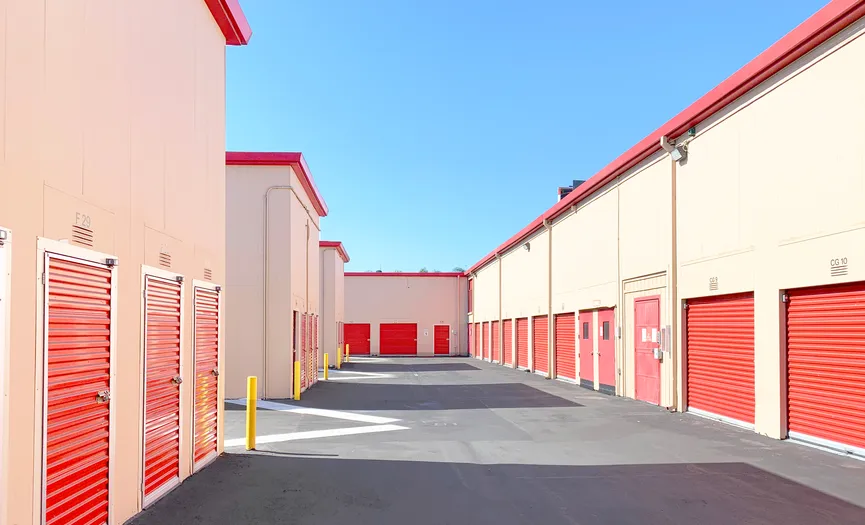
Storage yards and equipment lots are attractive because they combine high-value items with predictable conditions—dark corners, wide vehicle access, and long stretches where no one is watching. In Southern California, yards often sit near freeways, industrial corridors, ports, and construction zones, which makes movement easy for offenders and recovery harder for owners.
The operational takeaway: You win by reducing opportunity (hardening), increasing detection (visibility + alerts), and ensuring fast intervention (response + documentation).
What “good security” looks like in a yard environment
A storage yard isn’t an office building. Security has to work outdoors, across changing inventory, and around vehicles and heavy equipment. A strong plan includes:
- Clear access control: Who can enter, when, and how you verify it
- Perimeter integrity: Fences, gates, lighting, and anti-climb/anti-cut strategy
- Active monitoring: Cameras that detect and alert, not just record
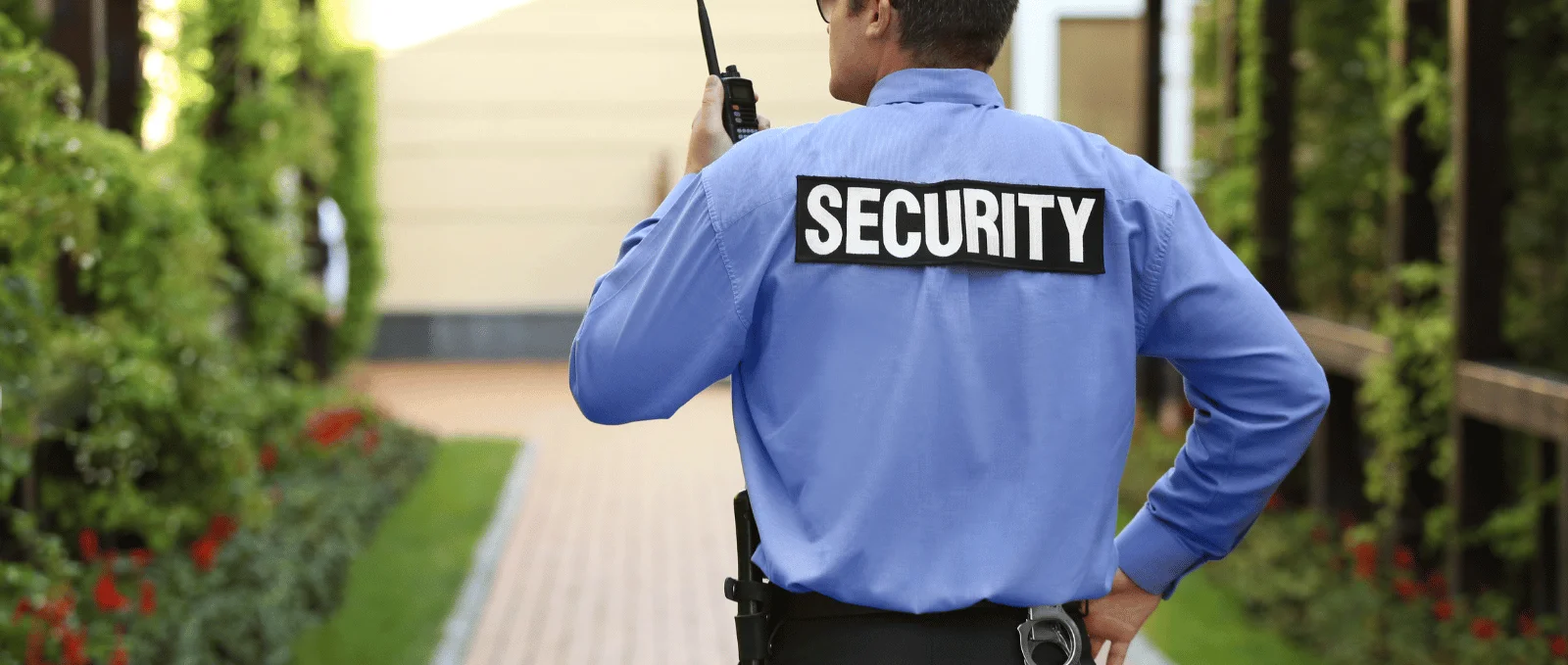
- Mobile patrol presence: Unpredictable checks with purposeful stop points
- Incident evidence: Photos, time stamps, and reports built for claims and police follow-up
The five layers that reduce losses
1) Perimeter-first hardening
Most yard problems start at the edge.
- Fence strategy: Repair weak points, reinforce corners, and remove “step-up” objects near fence lines.
- Gate discipline: One entry standard is better than three inconsistent ones. Add clear staging areas, signage, and a simple visitor rule set.
- Lighting that supports cameras: Lighting isn’t just for safety—it’s what makes video usable. Fix outages fast and eliminate “black pockets.”
Small upgrades that pay off
Even basic changes—locking down secondary gates, improving lighting consistency, and posting rules clearly—can reduce repeat intrusions because the yard becomes harder to approach quietly.
2) Access control that matches yard reality
Yards are busy. Your access approach should be strict without slowing operations.
- Credential rules by role: Drivers, mechanics, vendors, and managers shouldn’t all have the same permissions.
- Time-boxed access for vendors: Limit access windows and require check-in/check-out.
- Key and code control: Track who has what. Rotate codes when staff changes.
3) Proactive video, not passive recording
If your cameras only help after the theft, you’re missing the main value: early warning.
- Analytics zones: Line-crossing and after-hours motion zones where no one should be walking.
- Gate confirmation: Cameras should clearly capture faces and plates at entry/exit.
- Alert-to-action workflow: Alerts should route to someone who can verify quickly and trigger response.
For additional context on how security programs reduce theft risk and support investigations, the National Insurance Crime Bureau publishes practical guidance and trends that help organizations understand why certain facilities get targeted and how documentation supports recovery. Read more on NICB.
4) Mobile patrols that actually verify
Drive-bys are not enough for high-value equipment. The difference-maker is a patrol design that forces real verification:
- Anchored checks: Gate closure, midnight, and pre-dawn checks are reliable windows for deterrence.
- Randomized rounds: Add unpredictable timing to reduce pattern-based targeting.
- Foot verification points: Officers should exit the vehicle to check gate latches, fence corners, equipment rows, and camera sight lines.
5) Rapid response plus evidence-ready reporting
In yard incidents, speed matters—but so does documentation.
- Two-step verification: Confirm via camera/visual, then clear the yard with a defined sweep pattern.
- Escalation rules: When to warn, trespass, call supervisors, or notify law enforcement.
- Evidence standards: Photos of entry points, tools left behind, vehicle descriptions, and time-stamped narratives.
High-risk hotspots inside most yards
Equipment rows and blind corridors
Forklifts, trailers, and stored materials create visual barriers. Build patrol stops and camera angles around these “hidden lanes.”
Fuel, copper, and easily resold materials
If your yard stores wire, tools, catalytic-converter-adjacent equipment, or fuel assets, treat those zones as restricted areas.
Rail-adjacent or freeway-adjacent edges
These edges are often the easiest approach points. They need stronger lighting, better camera coverage, and more frequent patrol verification.
Post orders that prevent “gray-area” loss
Yards often suffer “quiet loss”—missing attachments, swapped parts, broken locks, or unauthorized use. Strong post orders should include:
Gatehouse and entry rules
- Confirm authorized entry method (badge, code, call-in)
- Log exceptions (tailgating, forced entry attempts, after-hours arrivals)
- Document plates and vehicle descriptions when activity is unusual
Yard patrol procedure
- Perimeter sweep first, then interior lanes, then exceptions
- Check critical assets: generators, trailers, heavy equipment clusters
- Photograph anything that could become tomorrow’s claim
Alarm and video response
- Verify the zone, then sweep with a standard route
- Preserve clips and attach them to the incident report
- Notify stakeholders based on your escalation matrix
Metrics that prove the program is working
Instead of “We haven’t had issues lately,” track what matters:
- Time-to-detect: How quickly suspicious activity becomes a verified event
- Time-to-respond: How fast a unit arrives after verification
- Door/gate hygiene: Number of unsecured access issues found per week
- Repeat hotspot counts: Incidents by zone, time window, and access point
- Claim-support quality: Reports with photos, clips, and clear timelines
How this connects to your broader SoCal strategy
Storage yards and equipment lots often sit near ports, distribution corridors, and industrial zones—meaning the same operational tools (gate workflows, LPR, proactive monitoring, rapid dispatch) carry over to your other facilities. If your operation also manages truck traffic or higher-value perimeter risk, our internal guide on License plate recognition security solutions SoCal is a relevant next step because it explains how plate capture and watchlists strengthen entry control and investigations.
A 30-day rollout plan for yard security
- Risk walk + mapping: Identify perimeter weak points, blind lanes, and critical assets.
- Lighting and camera tune: Fix dark zones, improve angles, define analytics rules.
- Post orders + escalation: Lock in sweep routes, documentation rules, and who gets notified.
- Pilot patrol schedule: Anchor checks + randomized rounds, adjust based on incident patterns.
- Monthly review: Use reports to refine zones, routes, and access procedures.
Ready to protect high-value yards?
If you need security for storage yards and equipment lots Southern California operators rely on, CWPS can help you design a layered program that combines mobile patrols, monitoring workflows, and consistent reporting—so you reduce losses and gain operational clarity.
- Call: (888) 205-4242
- Email: [email protected]