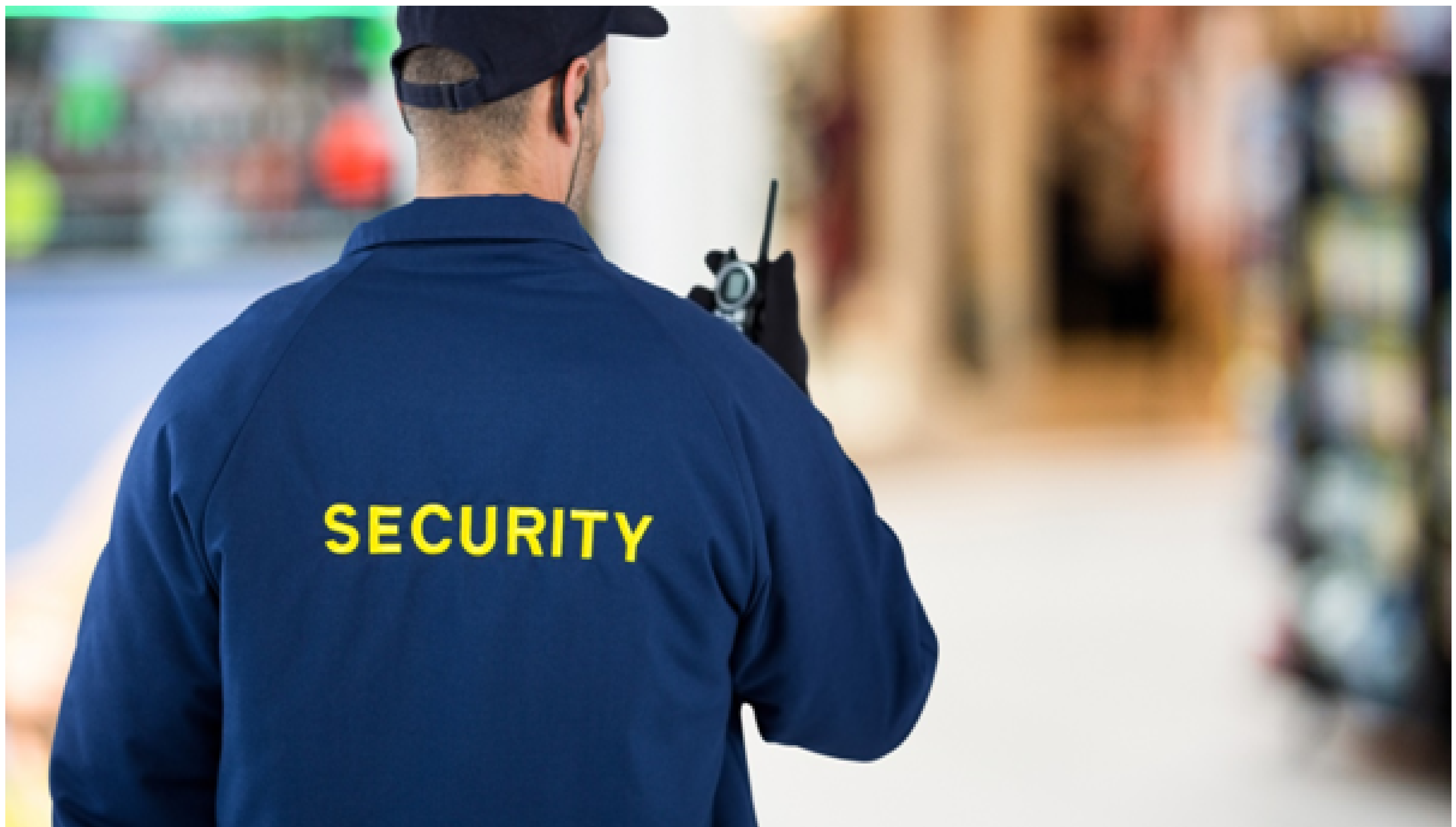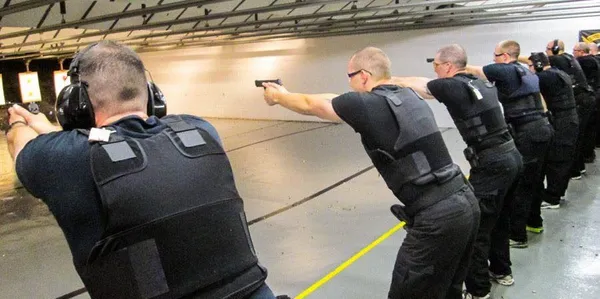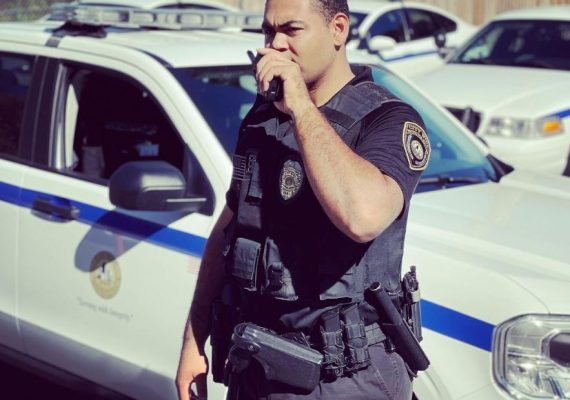
Security supervisor leadership training San Diego sites depend on the difference between “guards on posts” and a security program that actually performs. Supervisors don’t just manage people—they manage outcomes: response speed, report quality, de-escalation decisions, client communication, and the consistency that prevents repeat incidents.
Why supervisors are the real control point
Most security failures aren’t caused by a lack of effort. They’re caused by missing leadership mechanics:
- Post orders that exist but aren’t enforced consistently
- Gaps during shift change and break coverage
- Slow escalation because no one “owns” the decision
- Reports that are vague, late, or unusable for property leaders
- Officers who do the right thing once, then drift without coaching
The operational takeaway: A strong supervisor turns daily activity into measurable standards—then audits, coaches, and corrects in real time.
What “leadership training” should produce
A good supervisor program is not motivational. It is operational. It should produce supervisors who can:
- Run shifts with zero gaps (coverage planning, relief timing, quick redeployments)
- Make lawful, policy-based decisions under stress
- De-escalate and protect staff without creating liability
- Coordinate response using a simple command structure
- Deliver reporting that clients can act on (time stamps, photos, clear dispositions)
The six competencies every San Diego supervisor needs
1) Command presence without escalation
In property and public-facing environments, the supervisor sets the emotional tone. That means:
- Calm voice and controlled body language
- Clear instructions that don’t invite argument
- A “policy-first” approach that protects everyone
Supervisors should be trained to reduce confrontations and investigate threats/incidents systematically—OSHA’s workplace violence guidance emphasizes management commitment, hazard prevention, training, and program evaluation as core elements of prevention programs.
2) Incident command basics
Even small incidents need structure: who is in charge, who is doing what, and how information flows. Many security teams use Incident Command System (ICS) concepts for clarity—especially when coordinating with fire, EMS, or law enforcement.
FEMA’s NIMS/ICS training resources explain how ICS provides a standardized structure and includes courses designed for personnel likely to take supervisory roles during initial incidents (such as ICS-200). If your team wants a credible framework to align terminology and response structure, read more on FEMA.
3) Post orders enforcement and “decision trees”
Supervisors must turn post orders into behavior. The best method is simple:
- Convert posts into objectives (not just tasks)
- Add if/then decision trees for common events
- If an unbadged person enters a restricted zone → stop, verify, log, escalate
- If an after-hours door alarm triggers → verify via camera/visual, sweep route, document, notify
- Require minimum report standards every shift (what happened, what was done, what’s next)
4) Field coaching and performance management
Security performance is built through repetition and correction:
- Ride-alongs and spot checks
- Coaching on radio discipline and documentation
- Correcting uniform, posture, and professionalism early
- Keeping standards consistent across all shifts (not “depends who’s working”)
5) Scheduling discipline and coverage integrity
A supervisor’s “hidden job” is preventing failure through planning:
- Relief timing and break coverage mapped before shift start
- Backup plans for call-outs
- High-risk windows identified (closing, pre-dawn, shift change)
- Patrol routes designed to defeat pattern targeting
6) Reporting and evidence standards
Clients don’t judge security by effort—they judge it by outcomes and clarity. Supervisor-level reporting should include:
- Time-stamped incident narratives
- Photo documentation when appropriate
- Disposition codes (cleared, warned, trespassed, police notified, maintenance needed)
- Trend notes: what’s repeating, where, and when
Training modules that make a program “real”
Communication and escalation drills
Run scenarios that mirror San Diego properties:
- Aggressive visitor at a lobby or gate
- Unhoused person refusing to leave a private area
- Noise conflict turning into threats
- Suspicious vehicle lingering after hours
- Alarm call with unclear cause
Supervisors should practice fast triage, calm direction, and documentation.
Rapid response coordination
Supervisors need a repeatable playbook:
- Assign roles quickly (contact, containment, perimeter, reporting)
- Notify stakeholders in the correct order
- Preserve evidence and write a clean report
- Conduct a short after-action review before the shift ends
Quality assurance and auditing
Your program should include:
- Random post audits (uniform, checklist completion, route verification)
- Report audits (clarity, time stamps, photos, objective language)
- KPI reviews (response time, repeat hotspots, false alarms reduced)
How to measure supervisor performance
Use simple metrics property leaders understand:
- Time-to-respond to alarms and calls
- Coverage compliance (were required rounds completed?)
- Report quality score (complete, objective, evidence-supported)
- Repeat issue reduction (door propping, loitering zones, gate tailgating)
- Client communication consistency (did the right people get notified?)
Related reading for continuity
If you’re building a scalable program across multiple posts, our internal guide on Security guard staffing and scheduling service is a relevant next step—because scheduling integrity and relief discipline are two of the highest-leverage supervisor responsibilities.
How CWPS supports supervisor readiness
CWPS is built around consistent operations: post orders, mobile oversight, dispatch-ready escalation, and clear reporting. When supervisor leadership is strong, your entire site becomes more predictable—fewer surprises, faster response, and better documentation for management.
If you want to improve supervisor performance across one site or a multi-property portfolio, our team can help you structure a leadership training plan that matches your post orders, client expectations, and real incident patterns.
- Call: (888) 205-4242
- Email: [email protected]
FAQ: Quick answers
How long does it take to see results from supervisor training?
Most sites see improvement within 2–4 weeks when training includes audits, coaching, and report standards—not just classroom content.
What’s the most common supervisor gap?
Inconsistent enforcement of post orders and inconsistent reporting. Standards must be the same on every shift.
Do supervisors need incident command training?
Yes. Even basic ICS concepts reduce confusion and improve coordination when multiple responders are involved.