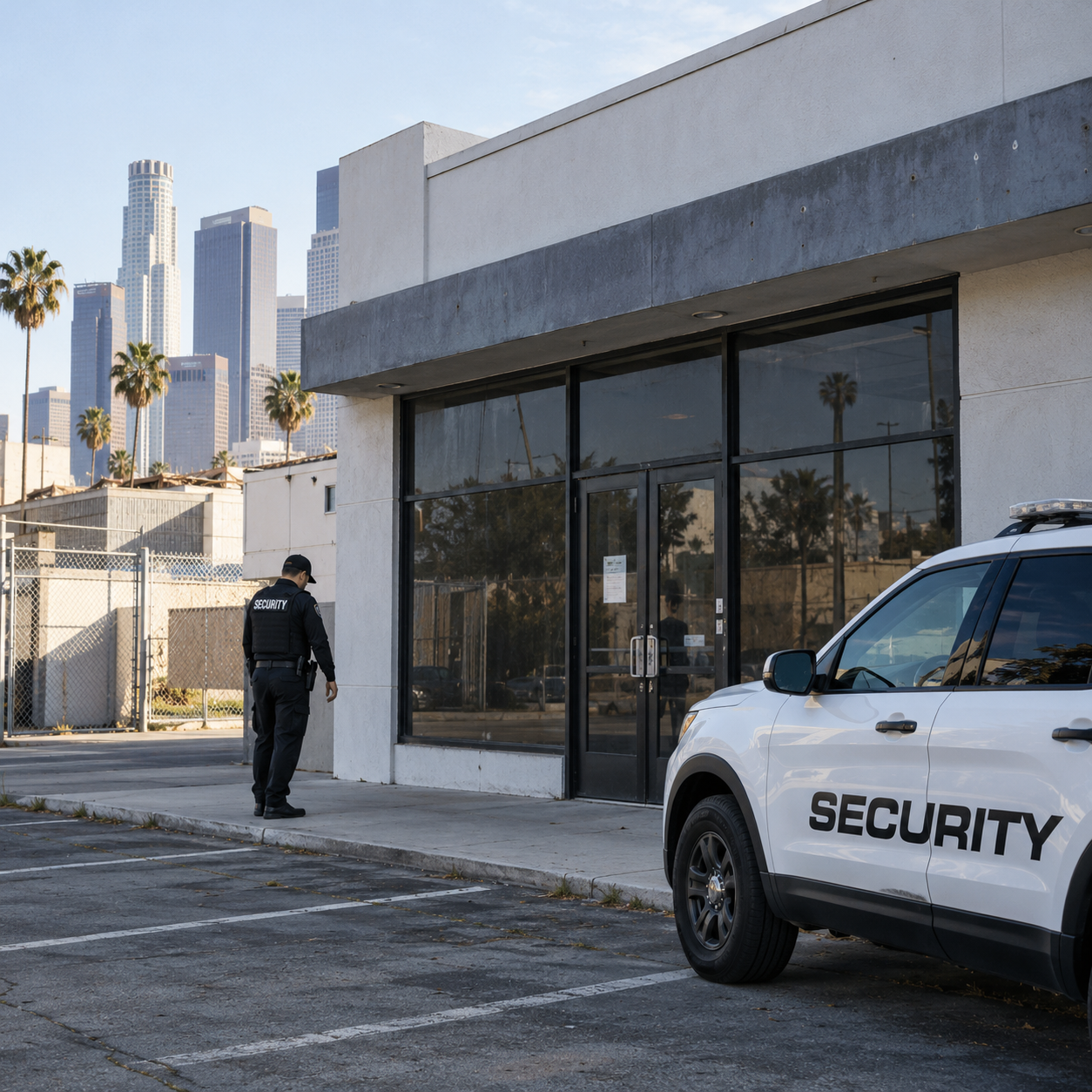
Vacant Property Security Services Los Angeles property owners depend on should do more than prevent unauthorized entry. An empty building can quickly become vulnerable to trespassing, vandalism, copper theft, illegal dumping, and property damage. Without regular inspections or active monitoring, small maintenance problems may go unnoticed until they become expensive repairs or code enforcement issues.
For commercial landlords, real estate investors, developers, and property managers, protecting an unoccupied building requires a different approach than securing an active business. The right combination of security patrols, access control, surveillance, and rapid response helps preserve property value while preparing the site for its next occupant.
Why Vacant Properties Face Greater Security Risks
Occupied buildings benefit from employees, tenants, and visitors who notice unusual activity. Once a property becomes vacant, that natural supervision disappears.
Common vulnerabilities include:
-
Unauthorized occupation: Unsecured entrances may attract trespassers or individuals attempting to occupy the building without permission.
-
Vandalism and graffiti: Empty storefronts and neglected commercial buildings can become recurring targets.
-
Copper and equipment theft: Electrical wiring, plumbing fixtures, HVAC components, and other materials may attract thieves.
-
Illegal dumping: Unmonitored parking lots and loading areas can accumulate abandoned materials.
-
Undetected property damage: Water leaks, broken windows, and damaged doors may remain undiscovered.
The operational takeaway: Vacant property security should focus on early detection, visible deterrence, and immediate reporting of conditions that could make a building increasingly vulnerable.
Understanding Los Angeles Vacant Building Regulations
Property security is not simply a financial consideration. Owners must also understand applicable building maintenance and nuisance regulations.
Los Angeles Municipal Code Section 91.8904 requires owners or persons controlling vacant properties to address certain nuisance conditions and secure vacant buildings against unauthorized entry.
The City may initiate enforcement procedures when property owners fail to resolve qualifying violations.
Why Compliance Matters
A poorly secured property may create problems beyond the initial break-in. These can include:
-
Municipal inspection and enforcement actions.
-
Required fencing, cleaning, or structural repairs.
-
Additional maintenance and security expenses.
-
Delays in leasing, redevelopment, or sale.
The Los Angeles Department of Building and Safety’s Vacant Building Abatement program explains how the City addresses open, abandoned, unsecured, and vandalized buildings.
Property managers can read more there to understand enforcement procedures and why maintaining vacant structures is an important ownership responsibility.
Requirements can differ outside Los Angeles city limits, so owners should verify rules with the relevant local authority.
Five Essential Layers of Vacant Property Protection
1) Secure Every Potential Entry Point
Vacant buildings often have several entrances that receive little attention after tenants leave.
Security planning should begin with an inspection of:
-
Main entrances and rear service doors.
-
Ground-floor windows and damaged openings.
-
Loading docks and garage access points.
-
Rooftop access and maintenance entrances.
-
Perimeter fencing and pedestrian gates.
Broken locks, unsecured windows, and damaged gates should be reported for immediate repair.
The First 48 Hours Matter
When a property becomes vacant, management should promptly recover access credentials, change compromised locks, remove unnecessary entry permissions, and inspect the entire perimeter.
This reduces the risk of former occupants, vendors, or unauthorized individuals retaining access.
2) Establish Purposeful Mobile Security Patrols
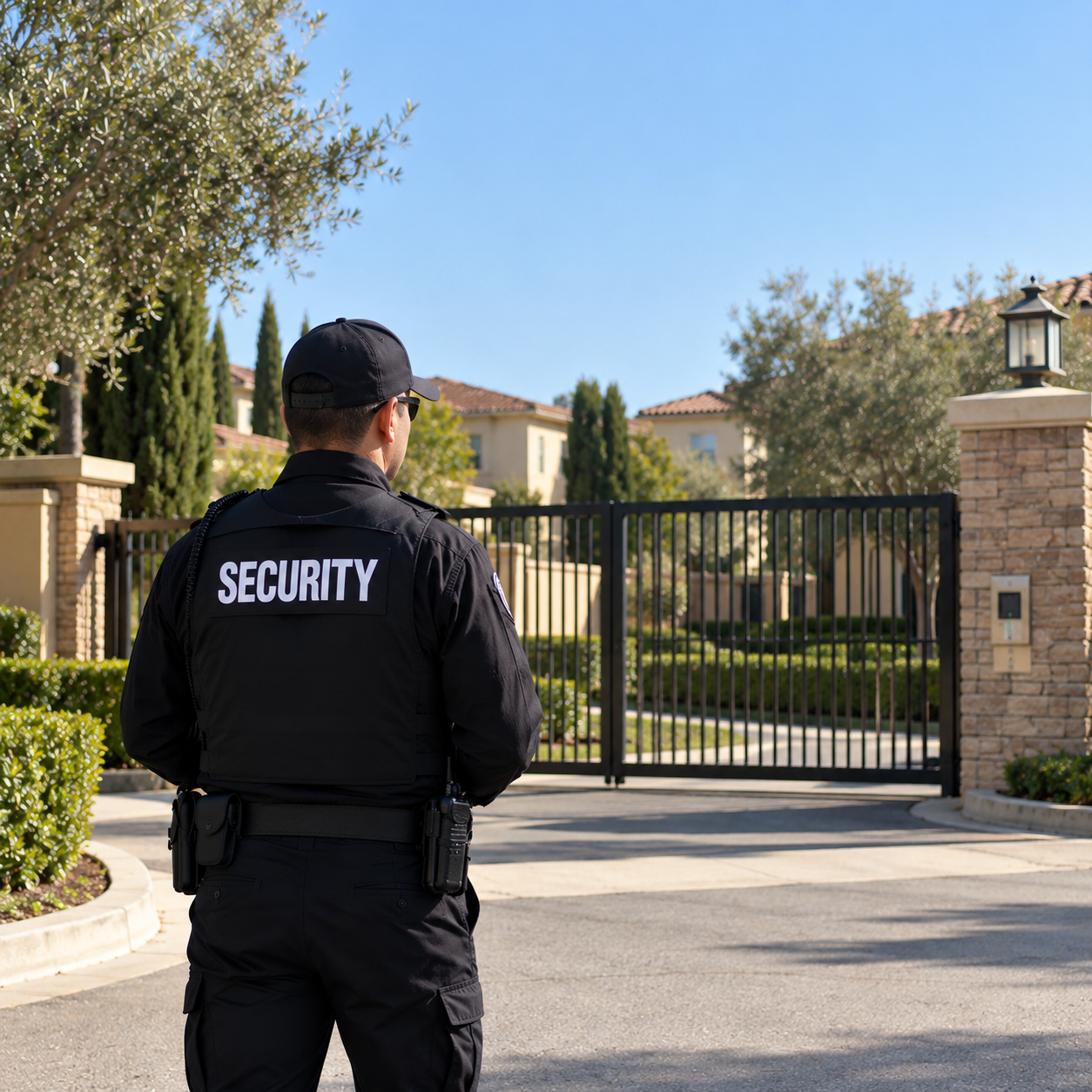
A security vehicle passing the entrance occasionally may discourage some activity, but meaningful protection requires physical verification.
Effective vacant property patrols combine marked vehicle visibility with scheduled inspections and randomized visits.
Officers should examine:
-
Evidence of attempted forced entry.
-
Fresh graffiti or property damage.
-
Suspicious vehicles and unusual activity.
-
Broken lighting or exposed utility equipment.
-
Signs that doors, gates, or windows have been disturbed.
Patrols should prioritize accessible exterior areas and other locations authorized for safe inspection.
Why randomized patrols matter: Changing inspection times makes security routines less predictable while maintaining planned coverage.
3) Connect Camera Monitoring With Physical Response
Remote surveillance provides another layer of protection when buildings remain unattended for extended periods.
Depending on the property, cameras can monitor entrances, parking areas, loading zones, and perimeter boundaries.
A practical monitoring workflow includes:
-
A camera or alarm identifies activity requiring review.
-
Monitoring personnel assess the available information.
-
The incident is escalated according to the property’s response procedures.
-
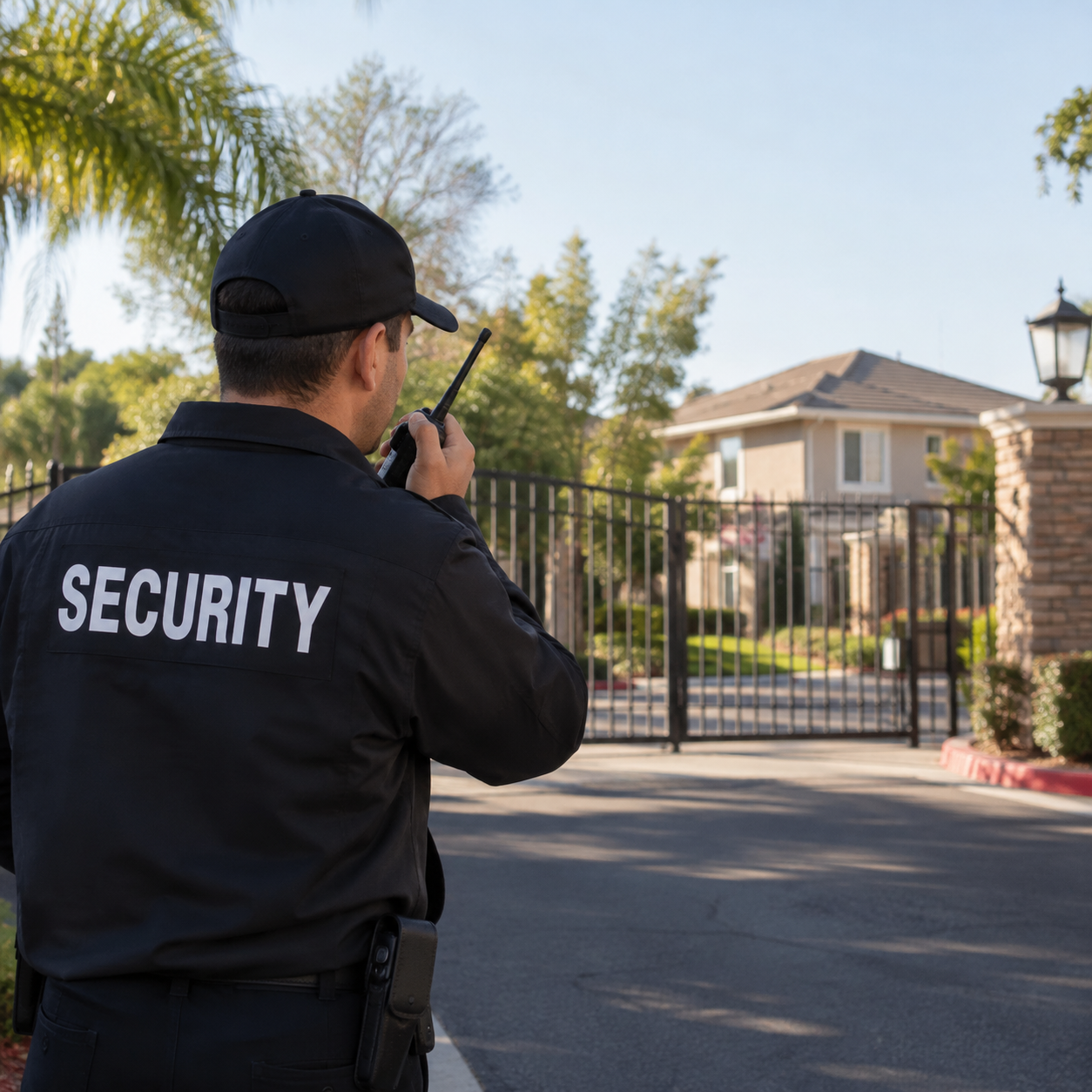
Security personnel respond when appropriate and available.
-
Relevant observations and actions are documented.
Video monitoring is particularly valuable when paired with mobile patrol services because it can help direct officers toward the affected area.
However, cameras should never be treated as replacements for physical inspections, building maintenance, or emergency services.
4) Protect Utilities and Valuable Building Components
Vacant commercial buildings may contain equipment worth thousands of dollars even after furniture and inventory are removed.
Potential targets include electrical panels, copper piping, air-conditioning equipment, generators, and plumbing fixtures.
Property managers should establish procedures for securing accessible equipment rooms and monitoring vulnerable exterior installations.
Preventing Secondary Damage
Theft of building components can create consequences beyond replacement costs.
Damaged plumbing may cause flooding, while tampering with electrical infrastructure can introduce serious safety hazards.
Security officers should report suspected tampering without handling exposed electrical systems or attempting hazardous repairs.
5) Maintain Detailed Incident and Inspection Reports
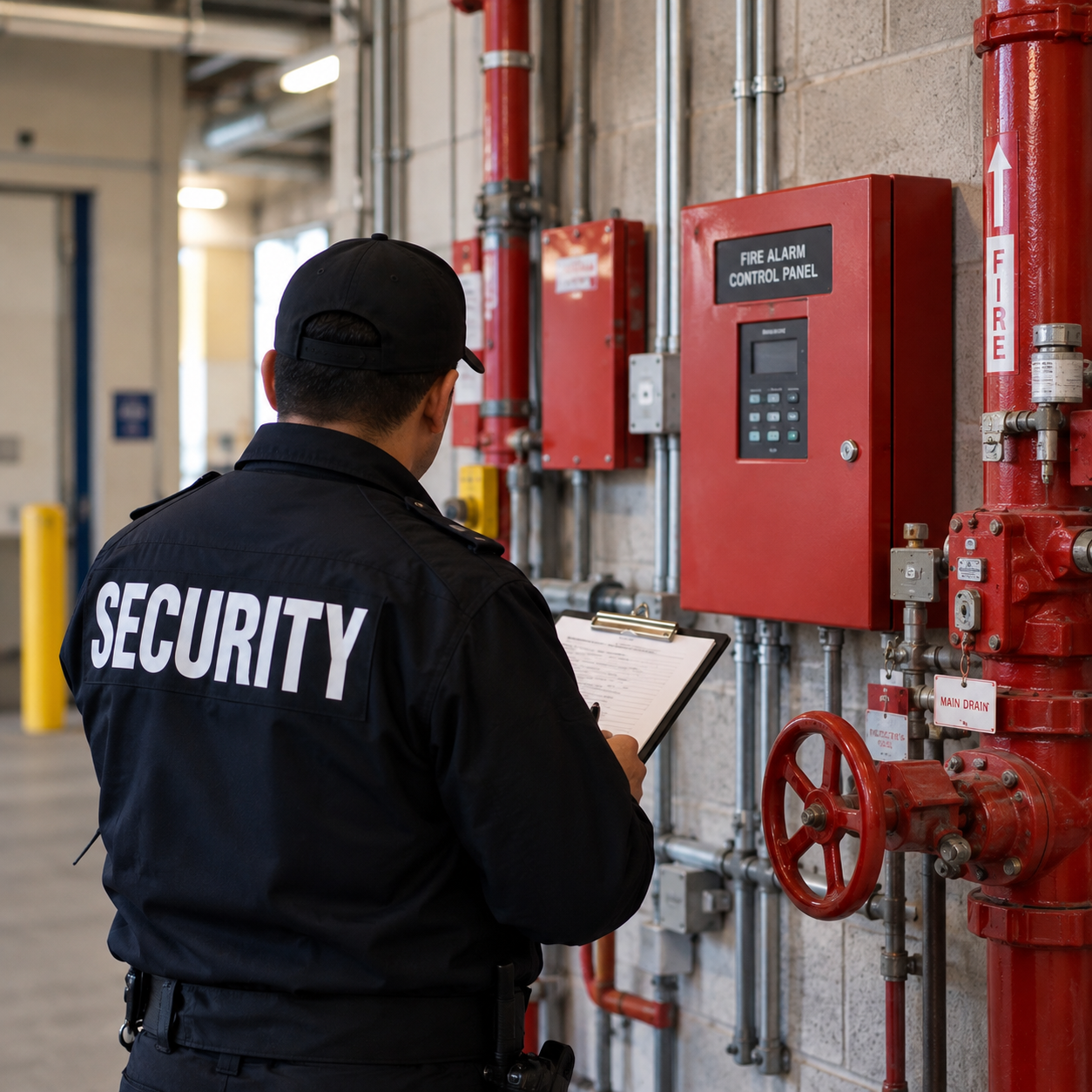
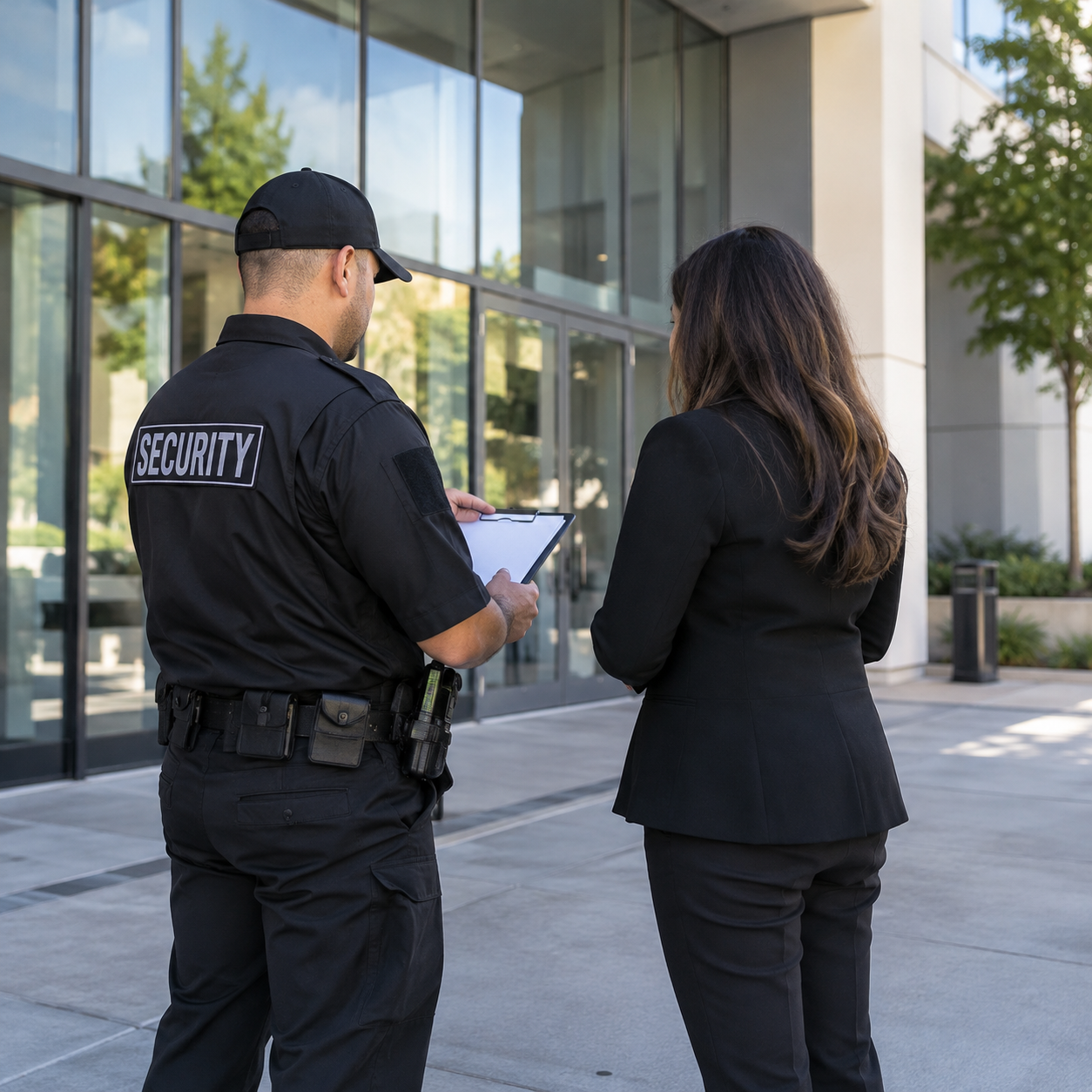
Every property inspection should produce useful information.
An effective vacant property security report includes:
-
Time and location of the inspection.
-
Condition of entrances, windows, and fencing.
-
Observed damage or suspected unauthorized activity.
-
Photographs when appropriate.
-
Notifications made to management or emergency services.
-
Recommended maintenance or security follow-up.
Consistent documentation helps owners identify recurring vulnerabilities and verify that reported problems receive attention.
Choosing the Right Security Coverage for Your Property
Not every vacant building requires continuous on-site security.
Mobile Patrols for Lower-Risk Properties
Properties with secure entrances, functioning cameras, and limited incident histories may benefit from scheduled and randomized patrols.
This model provides periodic physical verification without the expense of a permanent post.
Dedicated Guards for Elevated Risks
Buildings experiencing repeated trespassing, vandalism, or unauthorized access may require temporary or continuous security personnel.
Dedicated coverage may also be appropriate during renovations, tenant transitions, or periods when valuable equipment remains on site.
Combining Guards, Patrols, and Monitoring
For larger commercial properties, mixed-use developments, and vacant industrial facilities, layered coverage offers greater flexibility.
Management can use guards at critical access points, mobile patrols for wider areas, and camera monitoring for remote observation.
The appropriate combination should follow a site-specific assessment.
What Makes Vacant Property Security Different in LA?
Los Angeles includes vacant retail spaces, office buildings, warehouses, redevelopment sites, and residential properties awaiting sale or renovation.
Each presents different security challenges.
Commercial storefronts: Public-facing entrances, graffiti exposure, and rear delivery access.
Industrial warehouses: Large perimeters, loading docks, equipment theft, and limited overnight visibility.
Office properties: Multiple entry points, parking structures, mechanical areas, and complex access systems.
Redevelopment sites: Temporary fencing, changing contractor access, and partially dismantled infrastructure.
A successful security program accounts for these differences rather than applying the same patrol checklist to every property.
A 30-Day Vacant Property Security Plan
Week 1: Inspect and Secure
Conduct a property assessment, identify damaged access points, review surveillance coverage, and address immediate safety concerns.
Week 2: Establish Patrol Procedures
Create inspection routes, reporting requirements, emergency contacts, and procedures for handling unauthorized activity.
Week 3: Integrate Monitoring and Response
Review available camera and alarm systems. Establish clear escalation responsibilities and adjust patrol attention to vulnerable areas.
Week 4: Review and Improve
Analyze inspection reports, unresolved maintenance concerns, incident patterns, and coverage requirements.
Adjust security arrangements as property conditions change.
How CWPS Supports Vacant Properties in Los Angeles
City Wide Protection Services (CWPS), established in 2012, provides professional security services across Southern California.
Our capabilities include courtesy patrols, mobile patrols, armed and unarmed security personnel, camera and alarm monitoring, and security consultation.
For vacant properties, these services can be combined according to building conditions, access vulnerabilities, and management requirements.
Property owners interested in protecting commercial facilities may also find our previously published article on Los Angeles mobile patrol security services useful. It explores how mobile security coverage supports property inspections, deterrence, and incident response.
Protect Your Vacant Property With CWPS
An unoccupied building should not become an unmanaged liability.
Vacant Property Security Services Los Angeles owners choose should provide consistent inspections, timely incident reporting, and flexible protection suited to the property’s actual risks.
Whether your building is awaiting new tenants, undergoing renovation, or temporarily closed, CWPS can help you evaluate suitable patrol, monitoring, and security staffing options.
Contact our team to discuss your property’s security requirements.
-
Call: (888) 205-4242
-
Email: [email protected]
FAQ: Quick Answers for Property Owners
How often should a vacant property receive security patrols?
Patrol frequency depends on property size, access conditions, incident history, and security risks. Higher-risk locations may require more frequent inspections or dedicated coverage.
Can security guards remove trespassers from vacant buildings?
Security officers must follow California law, site-specific procedures, and their lawful authority. Dangerous situations should be referred to law enforcement rather than handled through unnecessary confrontation.
Do vacant buildings need security cameras?
Cameras are useful for monitoring entrances and exterior activity, but they work best alongside physical inspections, secure access points, and response procedures.
What is the first step in securing a vacant property?
Conduct an immediate access and safety assessment. Secure openings, inspect existing damage, and establish ongoing property checks.