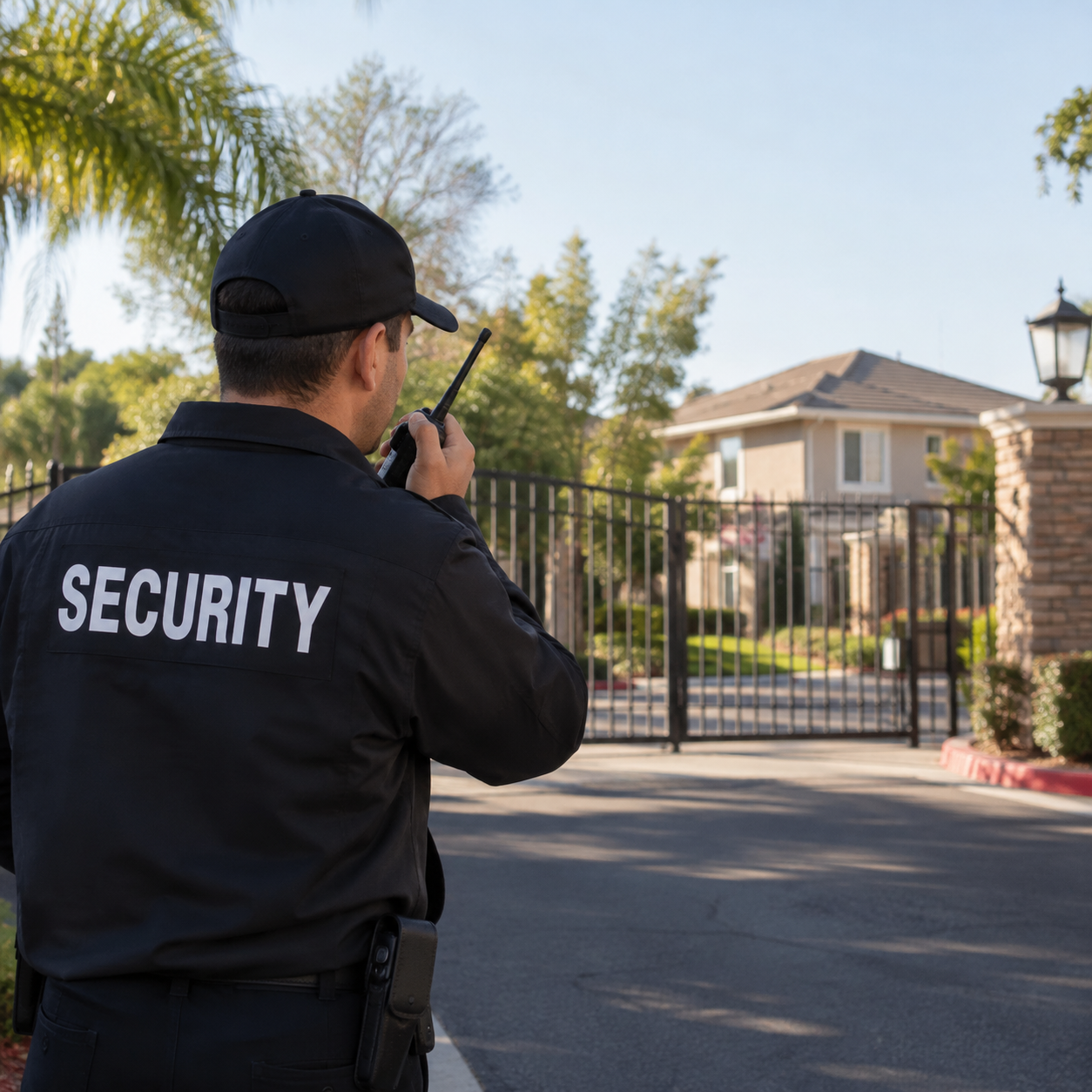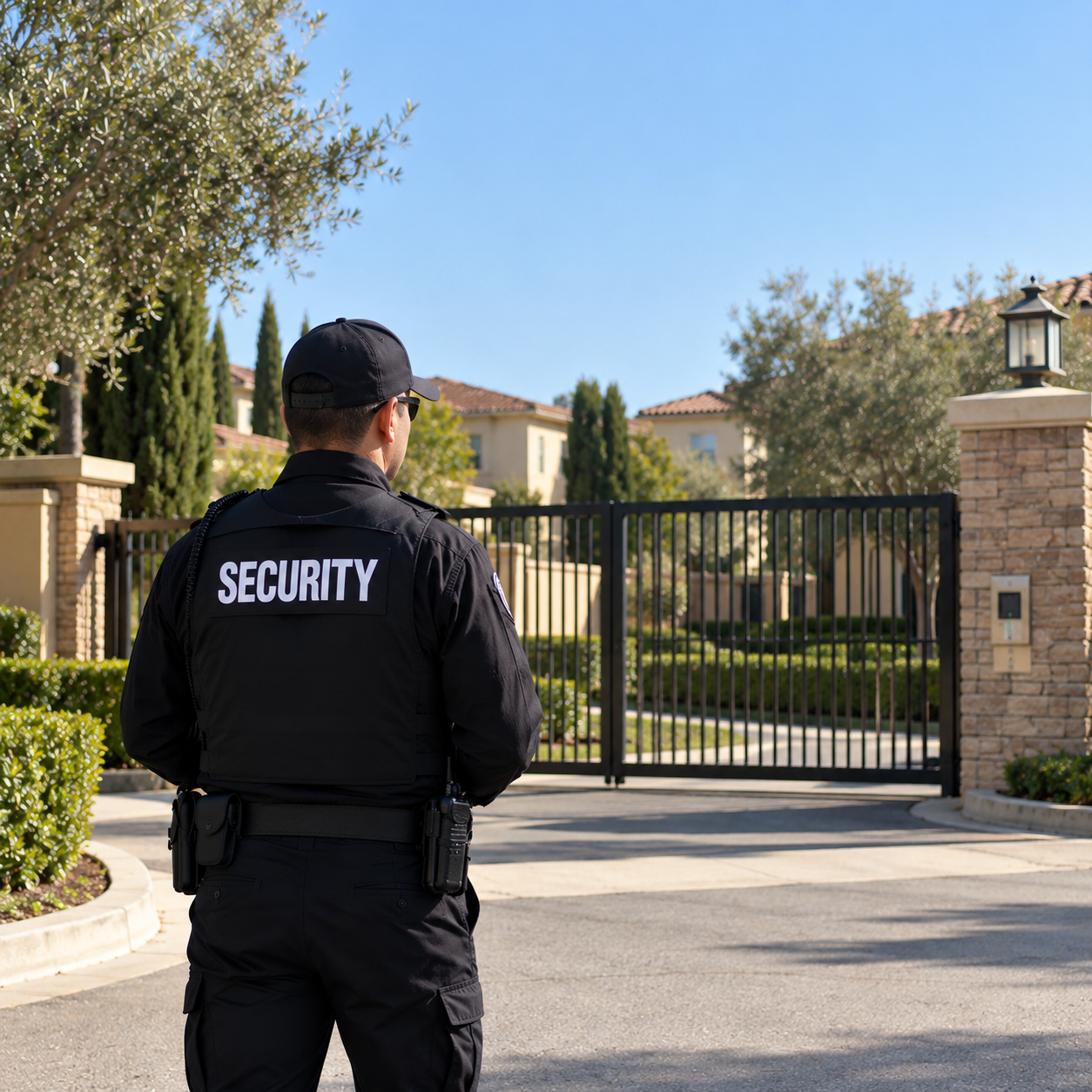
HOA Security Guard Services Orange County communities rely on should deliver more than a uniformed presence at the entrance. Homeowners associations face daily challenges involving unauthorized visitors, parking violations, property damage, after-hours disturbances, and resident safety concerns. Without a structured security program, these problems can create unnecessary expenses, resident complaints, and management difficulties.
From gated neighborhoods in Irvine and Newport Beach to condominium communities in Anaheim and Mission Viejo, effective HOA security requires a balance of professional personnel, access control, visible patrols, and clear communication. The objective is to protect shared spaces while maintaining the welcoming residential environment homeowners expect.
Why Orange County HOAs Need Specialized Security
Residential communities operate differently from commercial properties. Security officers interact regularly with homeowners, guests, delivery personnel, contractors, and property management teams.
That requires a service-oriented approach supported by consistent procedures.
Common security challenges include:
-
Unauthorized access: Tailgating through vehicle gates and misuse of pedestrian entrances.
-
Parking concerns: Vehicle break-ins, unauthorized parking, and suspicious activity.
-
Amenity violations: After-hours access to pools, clubhouses, and recreational facilities.
-
Property damage: Graffiti, vandalism, and damage to shared infrastructure.
-
Resident disputes: Noise complaints, confrontations, and recurring community-rule violations.
The operational takeaway: Successful HOA security combines visible deterrence with professional communication, consistent enforcement of authorized rules, and dependable incident reporting.
Five Essential Layers of HOA Security Protection
1) Professional Security Guards and Gate Control
Community entrances are the first opportunity to prevent unauthorized access.
For gated neighborhoods and condominium developments, security personnel can support entry procedures by verifying visitors, monitoring vehicle movements, and documenting access irregularities.
Effective gate operations include:
-
Visitor verification: Confirming guest and contractor authorization according to community policies.
-
Vehicle monitoring: Observing unusual activity and potential tailgating.
-
Delivery coordination: Helping approved vendors reach designated locations.
-
Access documentation: Recording relevant entry incidents and security concerns.
Maintaining a Welcoming Entrance
Security officers should enforce access requirements without creating unnecessary delays or confrontations.
Clear instructions, professional communication, and consistent procedures help residents feel protected rather than inconvenienced.
2) Mobile Patrols Across Residential Communities
A guarded entrance cannot provide visibility throughout an entire neighborhood.
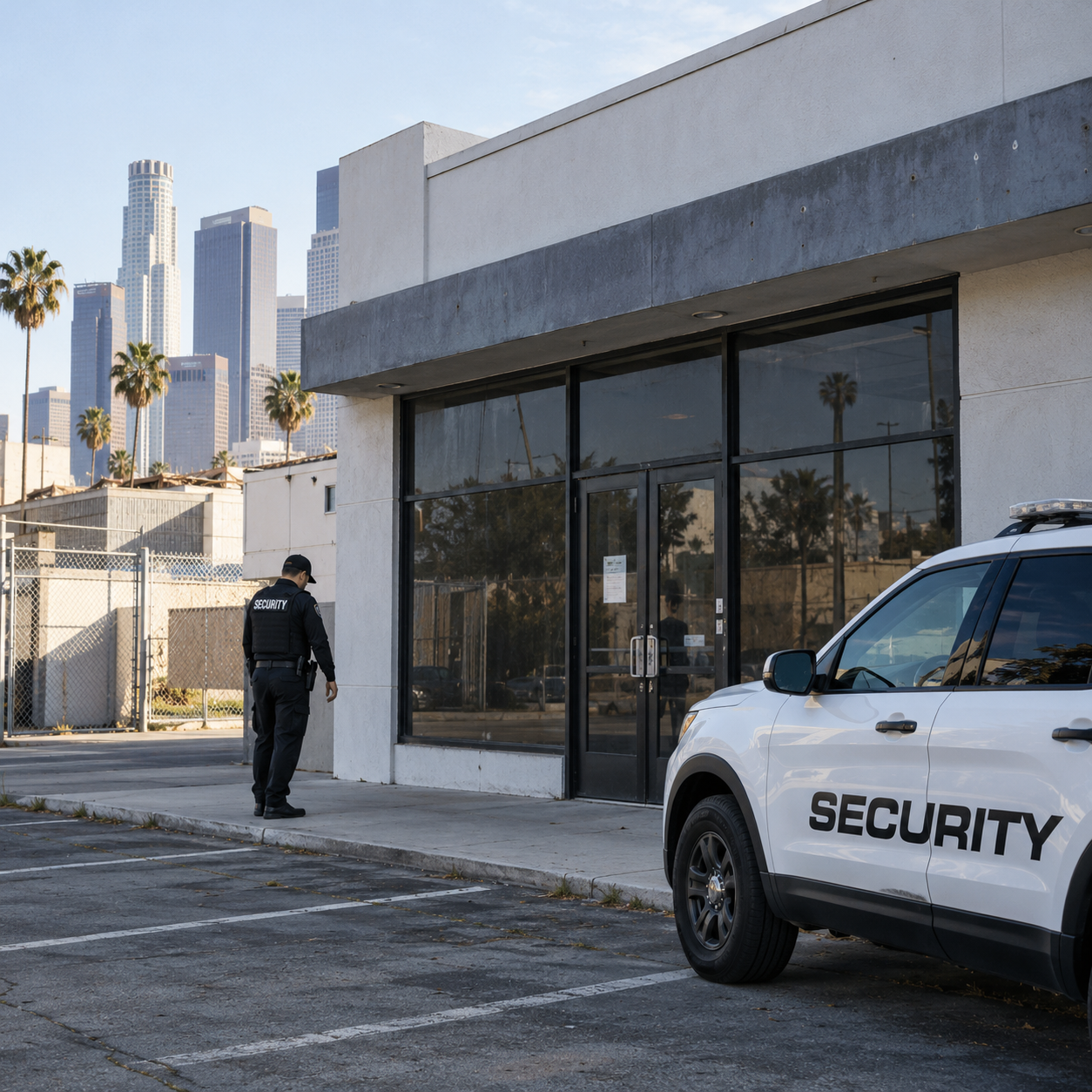
Mobile security patrols extend coverage to parking areas, internal streets, recreational spaces, and perimeter locations.
A properly structured patrol program includes:
-
Marked vehicle patrols: Visible security presence throughout the community.
-
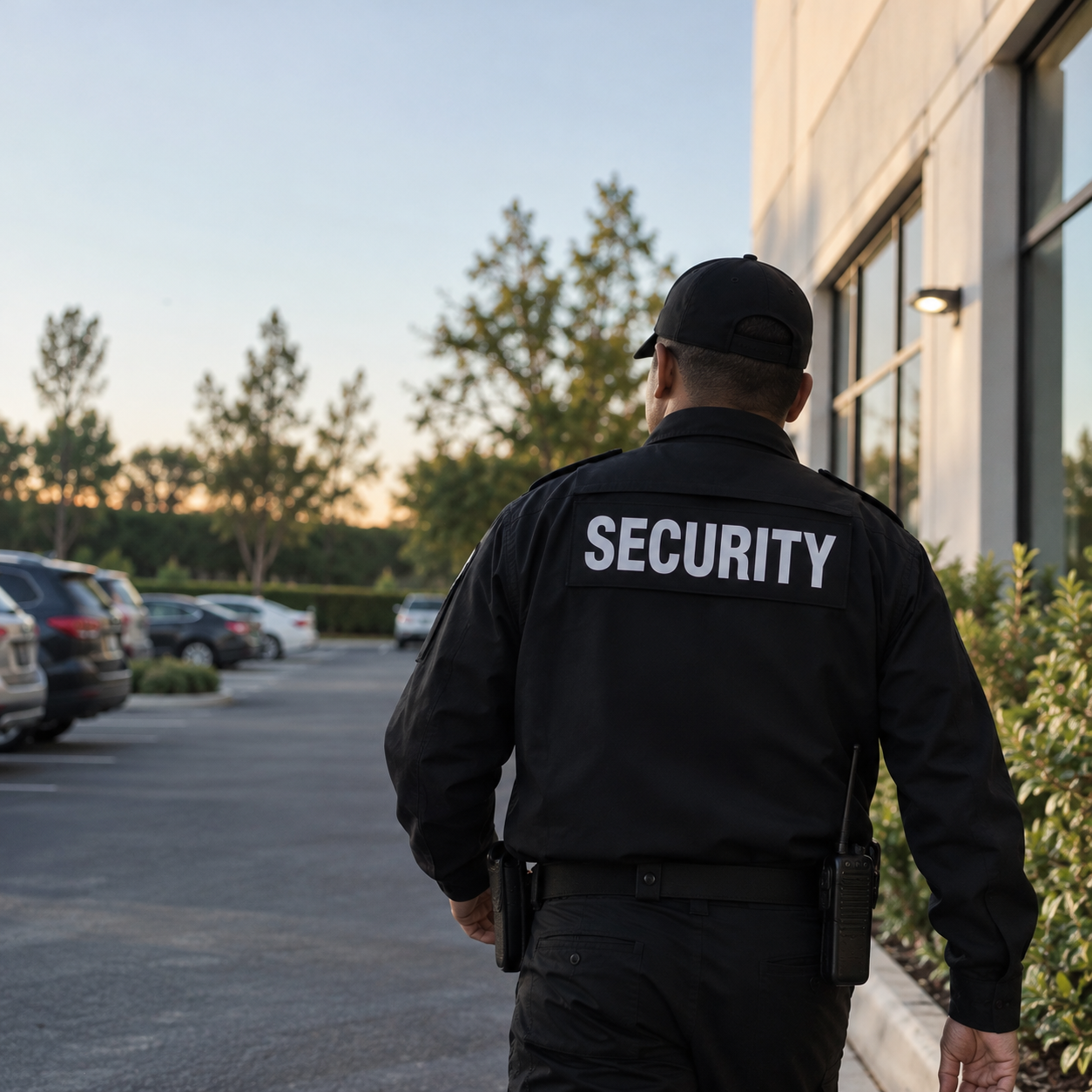
Foot inspections: Physical checks of areas inaccessible or difficult to observe from vehicles.
-
Randomized schedules: Variable patrol timing to reduce predictable coverage gaps.
-
Directed inspections: Additional attention to locations experiencing recurring incidents.
For larger HOA developments, mobile patrols can provide flexible coverage without requiring a dedicated officer at every building.
3) Parking and Common-Area Protection
Parking structures and shared amenities often generate significant security-related complaints.
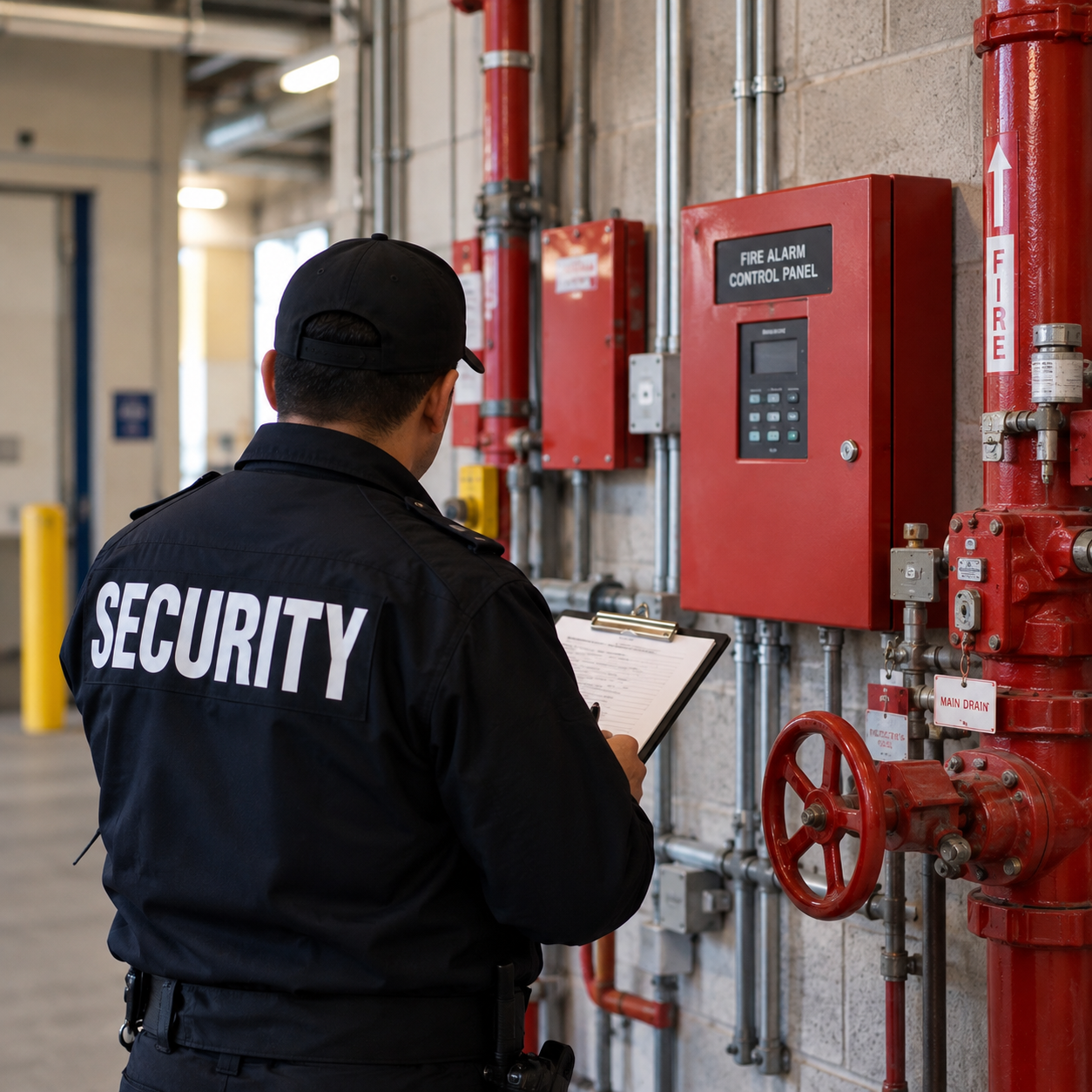
Officers should inspect designated areas for unsecured entrances, damaged lighting, suspicious activity, and safety concerns.
Common inspection priorities include:
-
Parking garages and visitor parking areas.
-
Clubhouses, swimming pools, and fitness centers.
-
Stairwells, elevators, and building entrances.
-
Mailrooms and package delivery locations.
-
Community perimeter fencing and pedestrian gates.
Why this matters: Identifying a malfunctioning gate or damaged access door early can help management address vulnerabilities before additional incidents occur.
4) Camera Monitoring and Alarm Response
Security cameras provide important visibility, but recording footage alone does not guarantee intervention.
HOAs can strengthen their security programs by connecting camera monitoring with established response procedures.
A coordinated process may involve:
-
A camera or alarm identifies suspicious activity.
-
Monitoring personnel assess the available information.
-
Security officers receive relevant incident details.
-
Responders follow approved property procedures.
-
Management receives documentation of the incident and actions taken.
Camera placement should prioritize legitimate security needs while respecting residents’ privacy.
5) Incident Reporting and Property Management Communication
Reliable documentation is essential for managing community security.
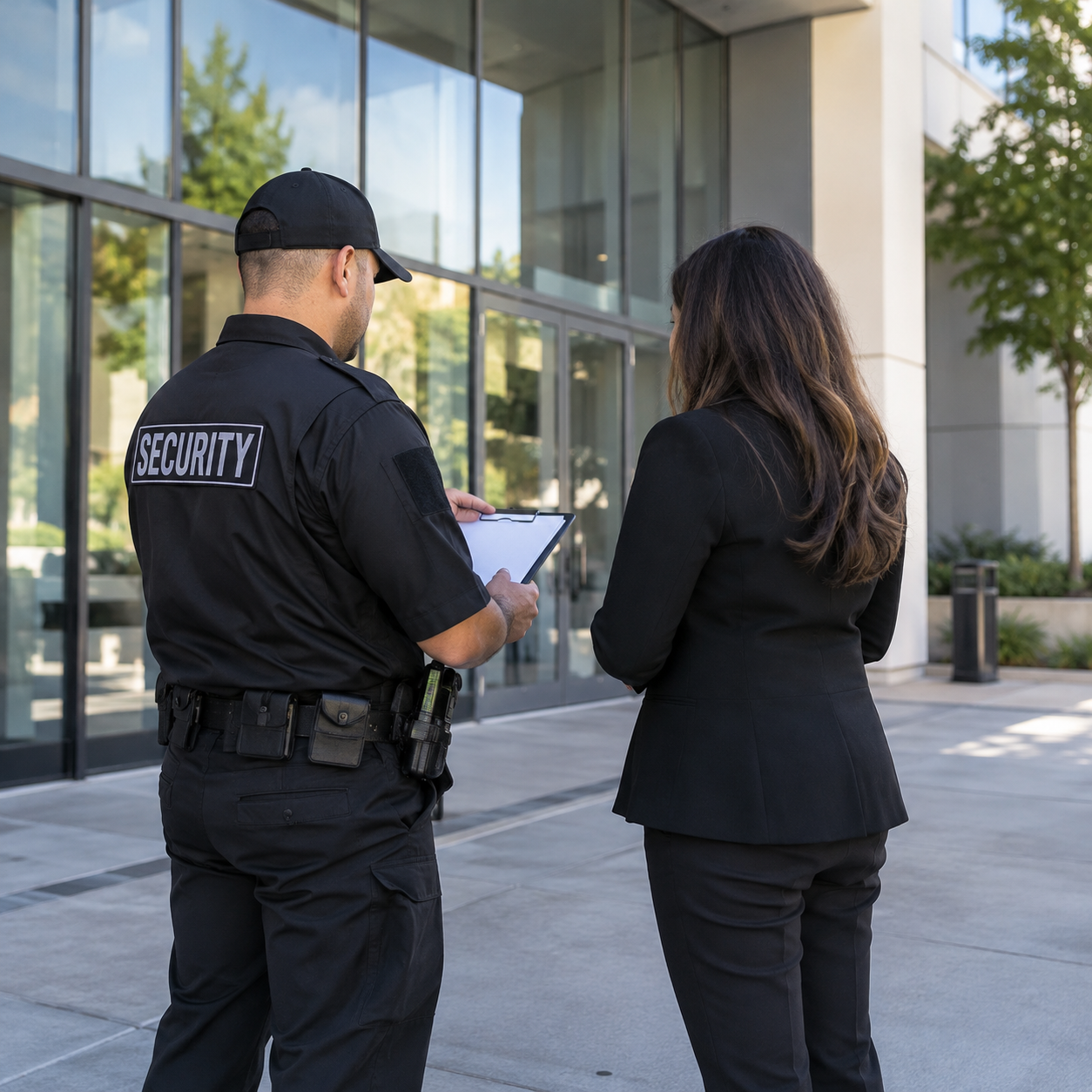
Every significant incident should produce an objective report containing:
-
Time, date, and specific location.
-
Description of observed activity.
-
Actions taken by security personnel.
-
Notifications to management or emergency services.
-
Supporting photographs when appropriate.
-
Recommended follow-up actions.
Consistent reports help HOA boards identify recurring problems and make better decisions about maintenance, security staffing, and community policies.
HOA Security Responsibilities and California Regulations
California security providers operate under licensing requirements administered by the Bureau of Security and Investigative Services (BSIS).
Security guard registration requirements include criminal background screening and mandatory training. Private Patrol Operators must also maintain appropriate licensing and insurance.
Before hiring a security provider, HOA boards should verify relevant credentials through the California BSIS License Verification System.
Readers can learn more there about checking security guard registrations and Private Patrol Operator licenses.
Understanding HOA Liability and Security Limitations
Homeowners associations should avoid treating private security as a guarantee against criminal activity.
The Community Associations Institute’s Orange County chapter has discussed how voluntarily undertaking certain crime-prevention responsibilities can create legal considerations for associations.
Boards should consult qualified legal counsel when establishing security responsibilities, enforcement policies, and contractual expectations.
The key distinction: Private security personnel help deter, observe, report, and respond within their lawful authority. They do not replace police officers or eliminate all security risks.
Choosing the Right Security Coverage for Your HOA
Different communities require different staffing arrangements.
Gated Communities
Properties with controlled vehicle entrances may benefit from dedicated gate personnel supported by mobile patrols.
Condominium Complexes
Multibuilding developments may prioritize lobby access, parking inspections, and common-area patrols.
Large Residential Neighborhoods
Communities with extensive internal roads and recreational facilities often benefit from scheduled and randomized mobile patrol coverage.
Communities With Recurring Incidents
Properties experiencing repeated trespassing, vandalism, or disturbances may require enhanced patrol frequency or temporary dedicated security posts.
The appropriate arrangement should reflect the community’s layout, incident history, operational requirements, and available budget.
How to Evaluate HOA Security Performance
Security effectiveness should be assessed through measurable outcomes rather than officer presence alone.
Useful performance indicators include:
-
Incident frequency: Changes in reported security concerns.
-
Response time: Time between notification and responder arrival.
-
Patrol completion: Verification of scheduled inspection checkpoints.
-
Repeat incidents: Recurring problems at specific locations.
-
Reporting quality: Completeness and timeliness of incident records.
Monthly performance reviews allow property managers to identify trends and recommend practical improvements.
A 30-Day HOA Security Improvement Plan
Week 1: Assess Community Vulnerabilities
Inspect entrances, parking facilities, lighting, surveillance coverage, and common areas. Review previous incidents and resident complaints.
Week 2: Establish Security Procedures
Develop post orders, patrol checkpoints, visitor policies, notification requirements, and incident reporting standards.
Week 3: Implement Patrol and Monitoring Coverage
Assign appropriate personnel, establish patrol schedules, and coordinate monitoring procedures with management.
Week 4: Review Performance
Evaluate patrol documentation, recurring concerns, response times, and unresolved maintenance issues. Adjust coverage based on findings.
How CWPS Supports Orange County HOAs
Established in 2012, City Wide Protection Services (CWPS) provides professional security services designed around the operational needs of residential communities.
Our services include:
-
Courtesy patrols for residential properties.
-
Mobile security patrols for community-wide coverage.
-
Armed and unarmed security guards based on assessed requirements.
-
Camera and alarm monitoring for additional surveillance support.
-
Security consultation to identify vulnerabilities and improve protection strategies.
Our approach emphasizes professional personnel, structured patrol operations, dispatch coordination, and documented reporting.
For additional information about community security planning, explore our previously published topic, Gated Community Security Patrol Orange County. It offers related guidance on gate operations, perimeter protection, and residential patrol strategies.
Strengthen Your HOA Security With CWPS
Choosing HOA Security Guard Services Orange County communities can depend on means finding a provider that understands residential security, professional communication, and effective incident response.
Whether your association manages a gated neighborhood, condominium complex, or large residential development, CWPS can help evaluate appropriate security coverage based on your property’s needs.
Contact our team to discuss a customized security program for your community.
-
Call: (888) 205-4242
-
Email: [email protected]
FAQ: Quick Answers for HOA Boards
Do all Orange County HOAs need security guards?
No. Security requirements depend on community size, access conditions, incident history, and management priorities. Some properties benefit from mobile patrols, while others require dedicated personnel.
Can HOA security guards enforce community rules?
Guards can assist with authorized community procedures, document violations, and communicate rules within their lawful authority and assigned responsibilities.
Are mobile patrols suitable for gated communities?
Yes. Mobile patrols can complement gate personnel by inspecting parking areas, perimeter locations, and common spaces throughout the property.
How should HOAs measure security effectiveness?
Track incident trends, response times, patrol verification, recurring vulnerabilities, and reporting quality through regular management reviews.