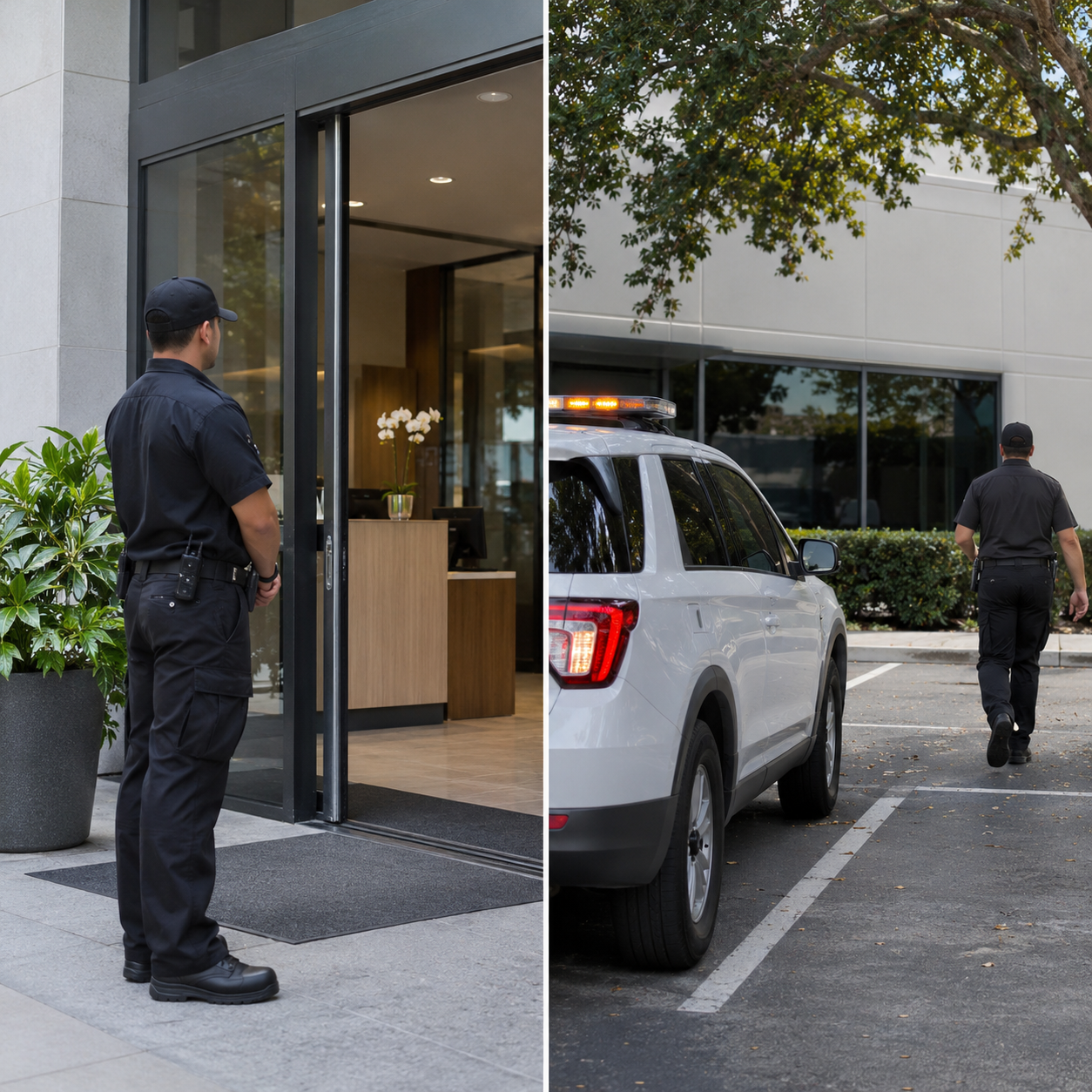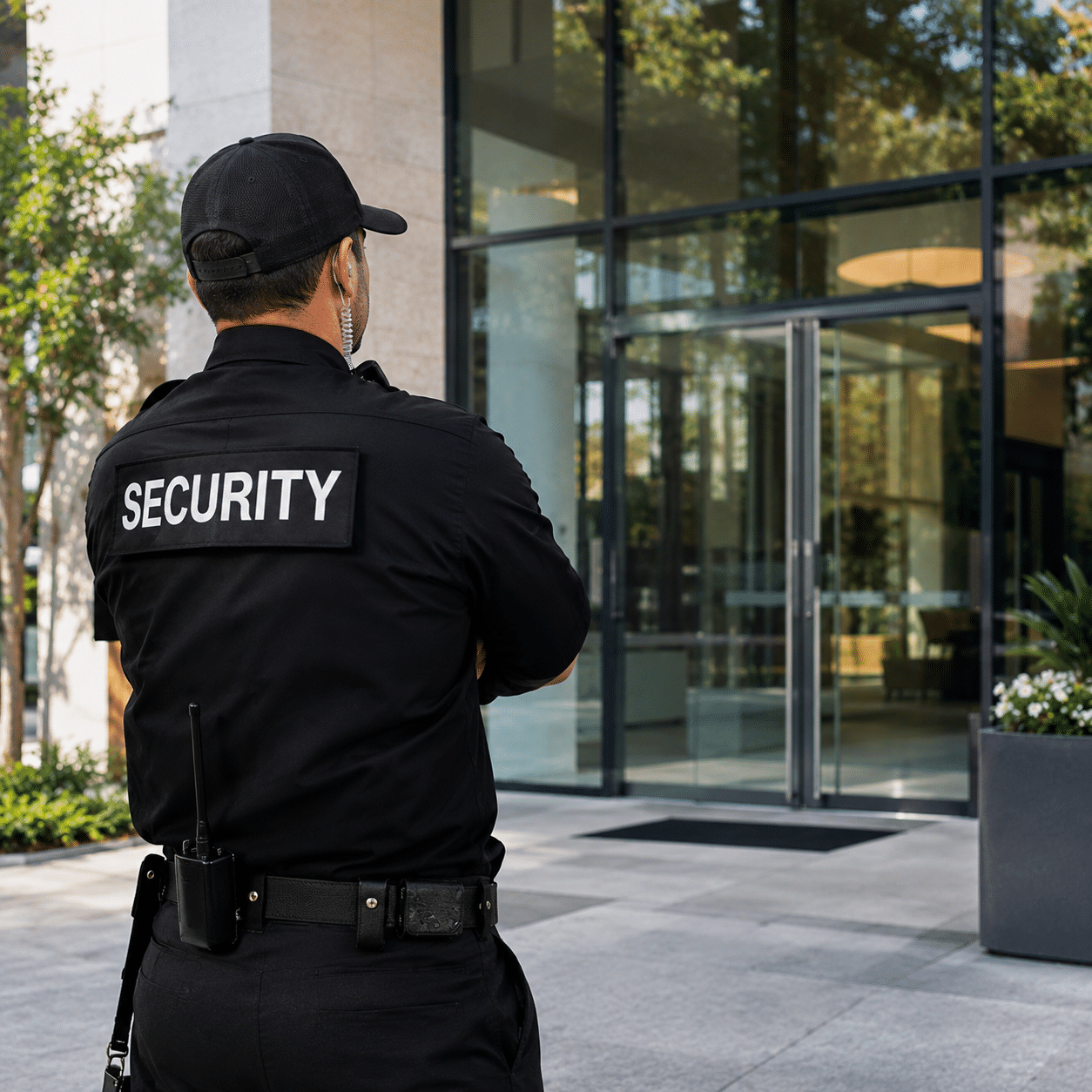
Private Security Guard Services Los Angeles property owners depend on should provide more than a uniformed officer standing at an entrance. From corporate offices and shopping centers to apartment communities and industrial facilities, Los Angeles properties face different security challenges involving unauthorized access, theft, vandalism, workplace disturbances, and after-hours activity.
Effective private security combines trained personnel, purposeful patrols, controlled access, and reliable incident reporting. The goal is to prevent avoidable problems, maintain a professional environment, and ensure property managers know exactly what happens when an incident occurs.
Why Los Angeles Properties Need Professional Security
Los Angeles presents a diverse security environment. A retail center in Downtown LA faces different challenges than a warehouse near the Port of Los Angeles or a residential development in the San Fernando Valley.
Common vulnerabilities include:
- Unauthorized access: Tailgating, unsecured entrances, and visitors entering restricted areas.
- Property crime: Vehicle break-ins, equipment theft, vandalism, and damaged infrastructure.
- After-hours exposure: Commercial buildings and parking areas with limited overnight supervision.
- Public-facing disturbances: Conflicts involving customers, visitors, contractors, or unauthorized individuals.
- Operational interruptions: Security incidents that disrupt employees, tenants, and daily business activities.
The operational takeaway: Effective security starts with understanding a property’s specific risks and assigning the right personnel, procedures, and technology to address them.
Five Essential Layers of Private Security Protection
1) Professional Security Guards and Access Control
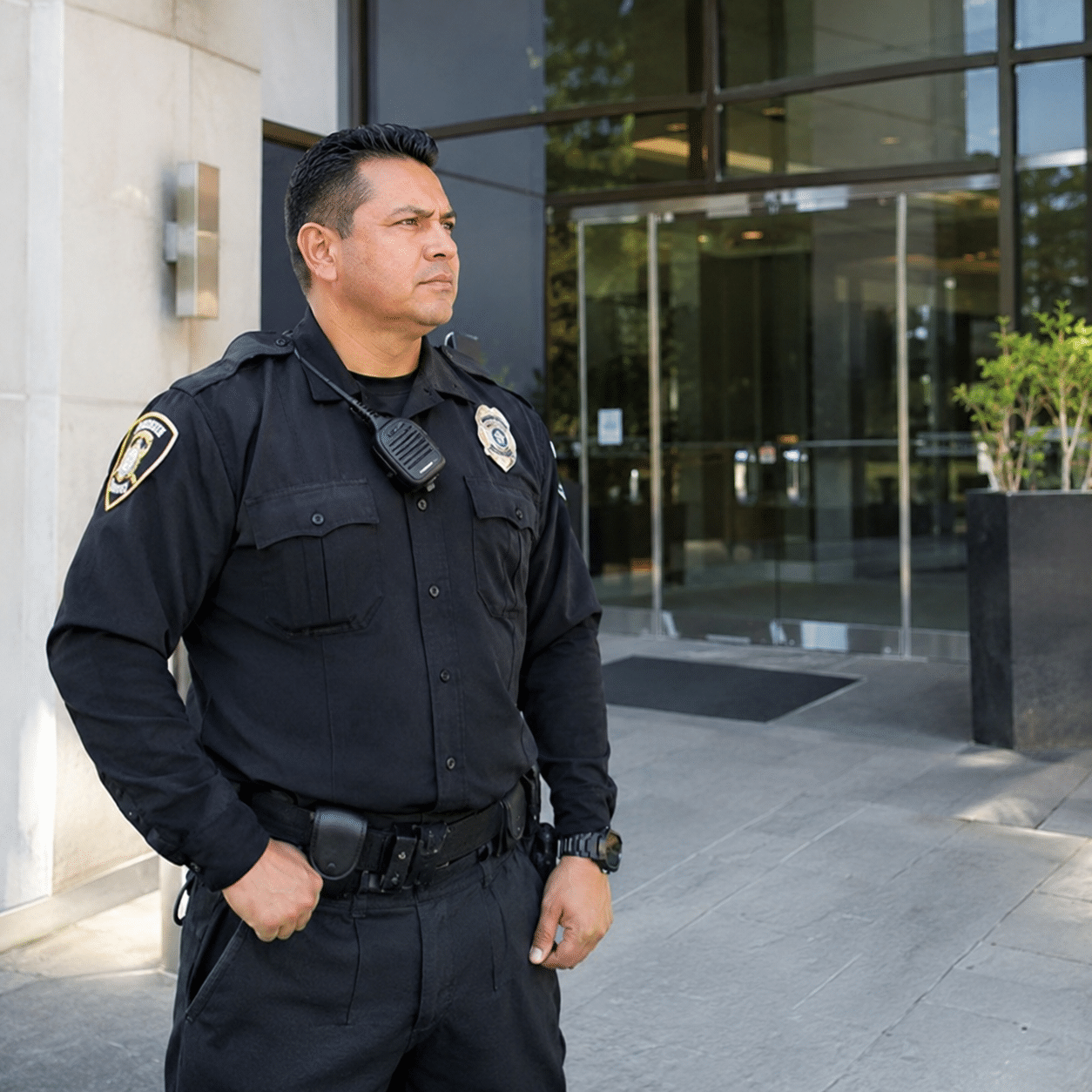
Controlling entrances is one of the most important responsibilities of private security personnel.
For commercial and residential properties, officers can support visitor verification, employee credential checks, delivery coordination, and restricted-area access.
Effective access procedures include:
- Visitor authorization: Confirming guests and contractors according to property policies.
- Credential verification: Checking identification or access permissions where required.
- Entry monitoring: Observing suspicious activity and unauthorized access attempts.
- Incident documentation: Recording access irregularities and notifying management.
Security That Supports Customer Experience
Security officers should maintain a professional and approachable presence.
At corporate lobbies, residential entrances, and retail properties, courteous communication helps enforce security procedures without creating unnecessary tension.
2) Foot Patrols and Mobile Security Coverage
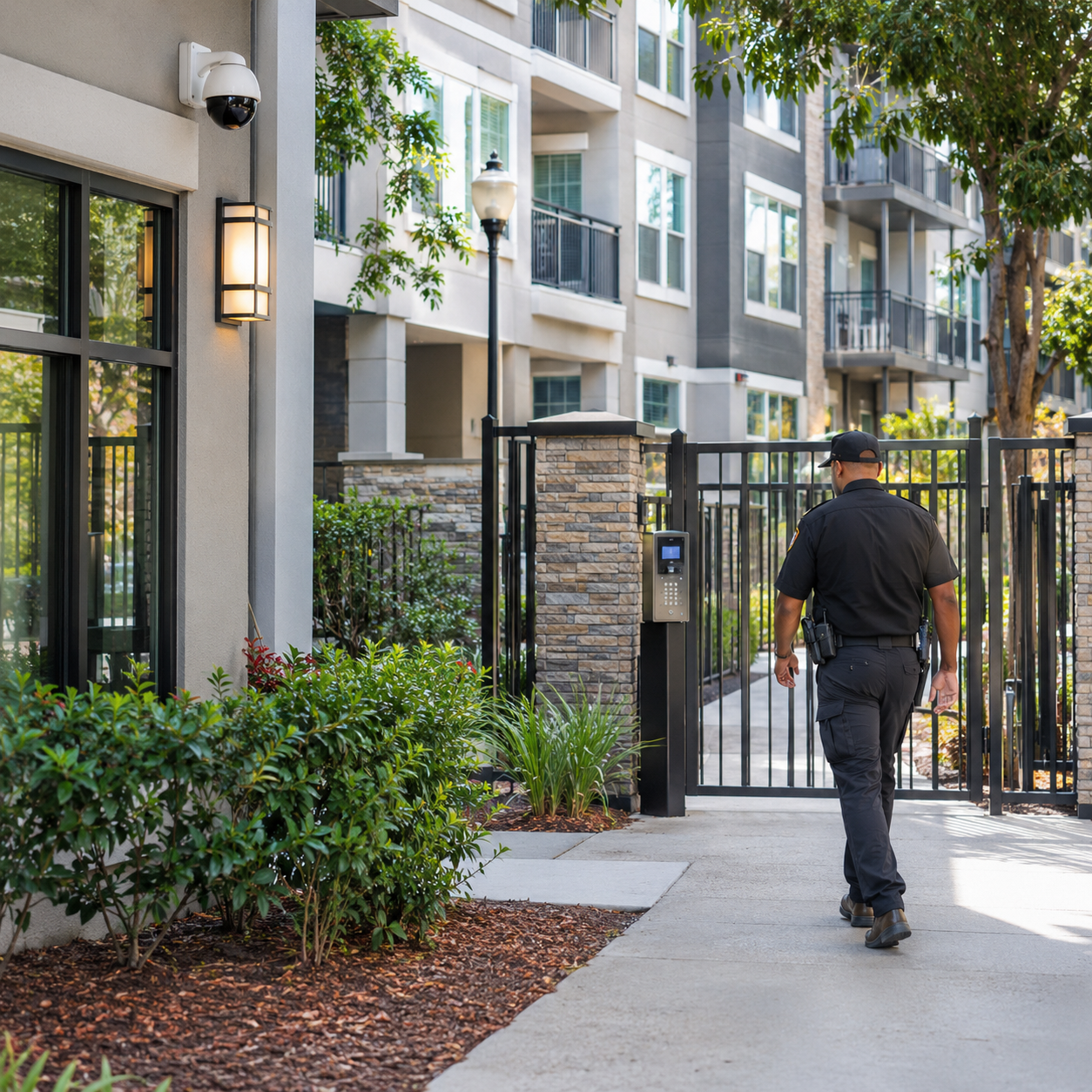
Security coverage should extend beyond the main entrance.
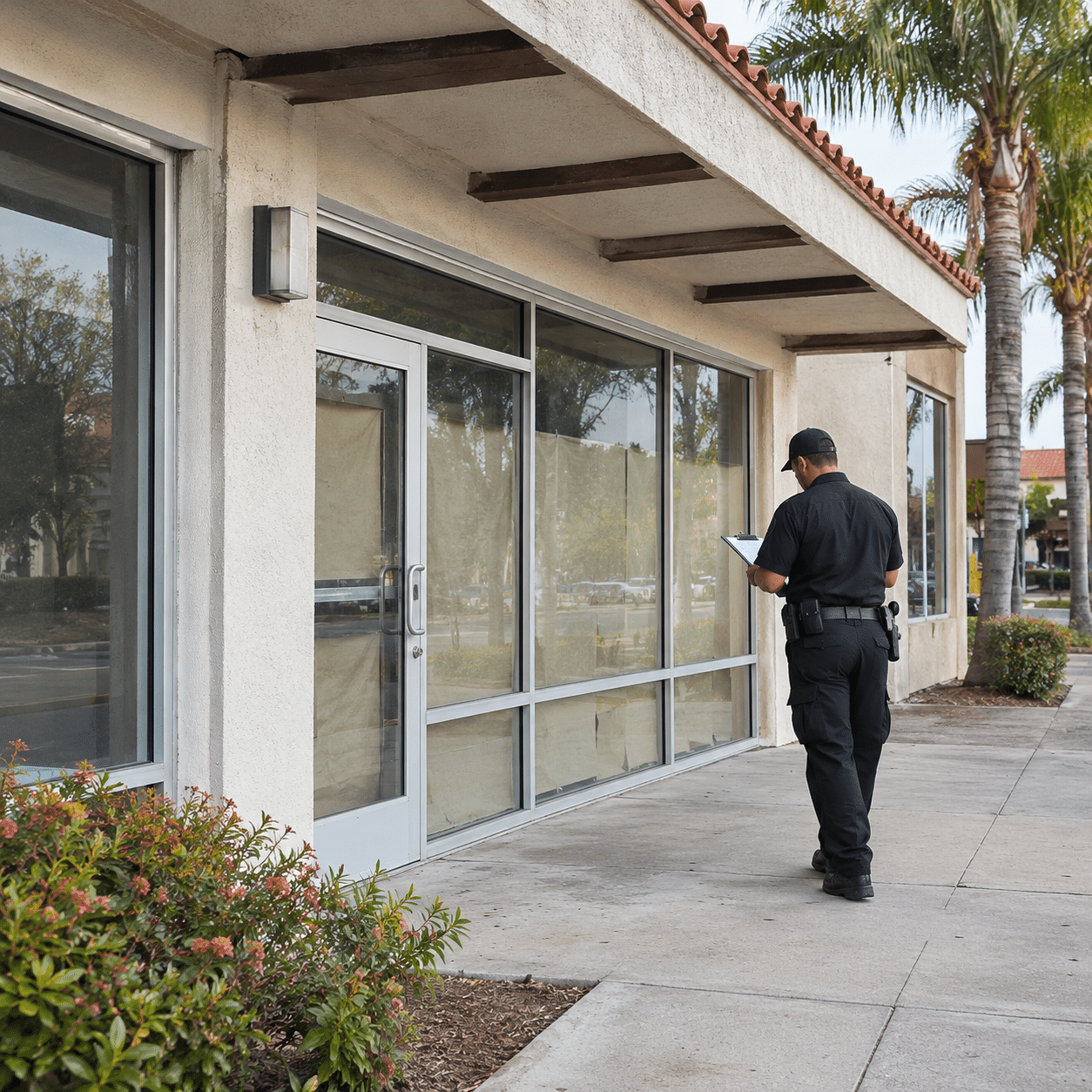
Foot patrols allow officers to inspect locations that may not be visible from a reception desk or vehicle.
Important inspection areas include parking structures, stairwells, loading docks, exterior entrances, equipment rooms, and shared corridors.
Mobile security patrols provide additional flexibility for larger properties and multi-building developments.
Effective patrol programs combine:
- Scheduled inspections at essential checkpoints.
- Randomized visits to reduce predictable routines.
- Additional attention to recurring incident locations.
- Documentation of damaged locks, lighting, and access points.
A well-designed patrol should verify conditions rather than simply demonstrate presence.
3) Camera Monitoring and Alarm Response
Modern private security becomes more effective when personnel receive timely information from surveillance and alarm systems.
Depending on the property, camera monitoring can support the detection of after-hours movement, perimeter breaches, and activity around restricted entrances.
A coordinated response process may include:
- A camera or alarm identifies activity requiring attention.
- Monitoring personnel assess the available information.
- Security officers receive the relevant location and incident details.
- Responders follow established escalation procedures.
- Management receives documentation of the incident and actions taken.
Why integration matters: Security technology provides information, while trained personnel provide judgment, communication, and appropriate physical response.
Monitoring systems should complement professional guards rather than automatically replace necessary on-site coverage.
4) De-escalation and Incident Management
Not every security incident involves criminal activity. Many situations begin with misunderstandings, unauthorized parking, visitor disputes, or disagreements about property rules.
Professional security personnel should understand how to communicate calmly, maintain appropriate distance, and request assistance when circumstances exceed their authority.
Important responsibilities include:
- Recognizing escalating behavior.
- Communicating property rules professionally.
- Coordinating with supervisors and management.
- Contacting emergency services when necessary.
- Preserving relevant evidence without unnecessary confrontation.
Security guards operate within California law and their assigned responsibilities. They do not possess the same authority as sworn law enforcement officers.
5) Security Reporting and Management Accountability
Private security services should provide property owners with useful operational information.
A reliable incident report should document:
- Exact incident location and time.
- Objective descriptions of observed activity.
- Actions taken by responding personnel.
- Notifications to management or emergency services.
- Supporting photographs or video references when appropriate.
- Recommended corrective actions.
Turning Reports Into Prevention
Repeated complaints near the same parking entrance may indicate damaged access hardware, insufficient lighting, or ineffective patrol coverage.
Monthly reporting reviews help managers identify these patterns and address underlying vulnerabilities before further incidents occur.
Choosing Security Guards for Different Los Angeles Properties
Different facilities require different protection arrangements.
Commercial Offices and Corporate Campuses
Office buildings often need lobby security, visitor verification, employee access monitoring, and after-hours inspections.
For related guidance, explore our previously published article on Corporate Campus Security Services in Los Angeles. It explains how access control, patrol operations, and incident coordination work across larger corporate environments.
Apartment Communities and Residential Developments
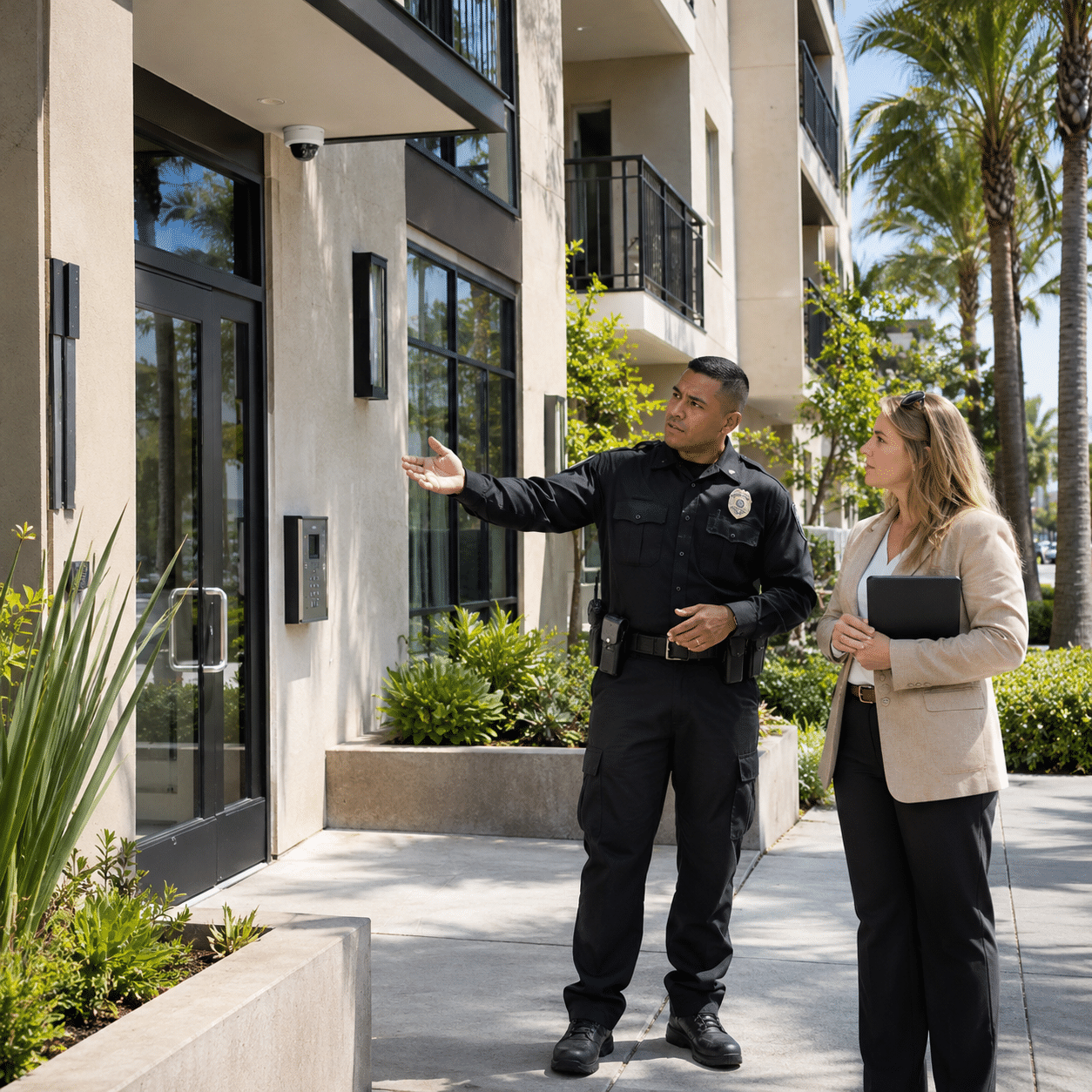
Residential security emphasizes courteous interactions, visitor management, parking inspections, and common-area protection.
Retail Centers and Shopping Properties
Retail facilities benefit from visible deterrence, tenant communication, parking-area patrols, and professional management of disruptive behavior.
Warehouses and Industrial Facilities
Industrial sites require greater attention to perimeter protection, loading docks, equipment storage, contractor access, and overnight activity.
The appropriate security model should reflect each property’s layout, operating hours, and risk profile.
California Licensing: What Property Owners Should Verify
California’s Bureau of Security and Investigative Services (BSIS) regulates Private Patrol Operators and security guard registration.
Private security companies must meet applicable licensing requirements, while security guards must complete required background screening and training.
Property managers should verify credentials before entering a security contract.
For official information, read the BSIS Security Guard Registration guidance.
The full resource is available at: https://www.bsis.ca.gov/forms_pubs/guard_fact.shtml
This guidance explains registration requirements, mandatory training, and license verification procedures.
The key consideration: Proper licensing establishes a regulatory baseline, but strong supervision, site-specific training, and consistent reporting determine how effectively security services operate.
Choosing Between Armed, Unarmed, and Mobile Security
Not every property needs armed personnel or continuous on-site staffing.
Unarmed guards are often appropriate for customer-facing facilities, residential entrances, and routine access-control responsibilities.
Armed guards may be considered for higher-risk assignments following a thorough assessment of threats, qualifications, and operational requirements.
Mobile patrols can provide periodic inspections across larger properties or multiple locations without maintaining a dedicated officer at every checkpoint.
A combination of these services may offer more balanced protection than relying on one staffing model.
A 30-Day Security Implementation Plan
Week 1: Assess Property Vulnerabilities
Review entrances, parking areas, previous incidents, lighting, and existing security procedures.
Week 2: Establish Post Orders
Define officer responsibilities, patrol checkpoints, visitor procedures, emergency contacts, and reporting requirements.
Week 3: Coordinate Personnel and Monitoring
Test communication procedures, camera alerts, patrol schedules, and incident escalation workflows.
Week 4: Evaluate Performance
Review incident trends, response times, patrol completion, and unresolved security concerns. Adjust coverage according to documented needs.
How CWPS Supports Private Security in Los Angeles
Established in August 2012, City Wide Protection Services (CWPS) provides professional security solutions for residential, commercial, and industrial properties.
Our services include armed, semi-armed, and unarmed security personnel, courtesy patrols, mobile patrols, camera and alarm monitoring, and security consultation.
CWPS emphasizes professional training, courteous customer service, property-specific protection, and operational accountability.
These capabilities allow property managers to consider security arrangements suited to their facilities rather than applying identical coverage to every location.
Strengthen Your Los Angeles Security With CWPS
Choosing Private Security Guard Services Los Angeles property owners can rely on begins with understanding operational risks, staffing needs, and response expectations.
Whether you manage a commercial building, residential community, retail center, or industrial property, CWPS can discuss appropriate security coverage based on your requirements.
Contact our team to explore private security solutions for your property.
- Call: (888) 205-4242
- Email: [email protected]
FAQ: Quick Answers for Property Managers
What do private security guards do in Los Angeles?
They support access control, patrols, incident observation, visitor assistance, property-rule enforcement within their authority, and security reporting.
Are armed security guards necessary for every commercial property?
No. The appropriate staffing model depends on risk assessments, property operations, and the responsibilities assigned to security personnel.
Can mobile patrols replace dedicated security guards?
Sometimes. Mobile patrols are suitable for periodic inspections, while dedicated officers provide continuous presence during assigned shifts.