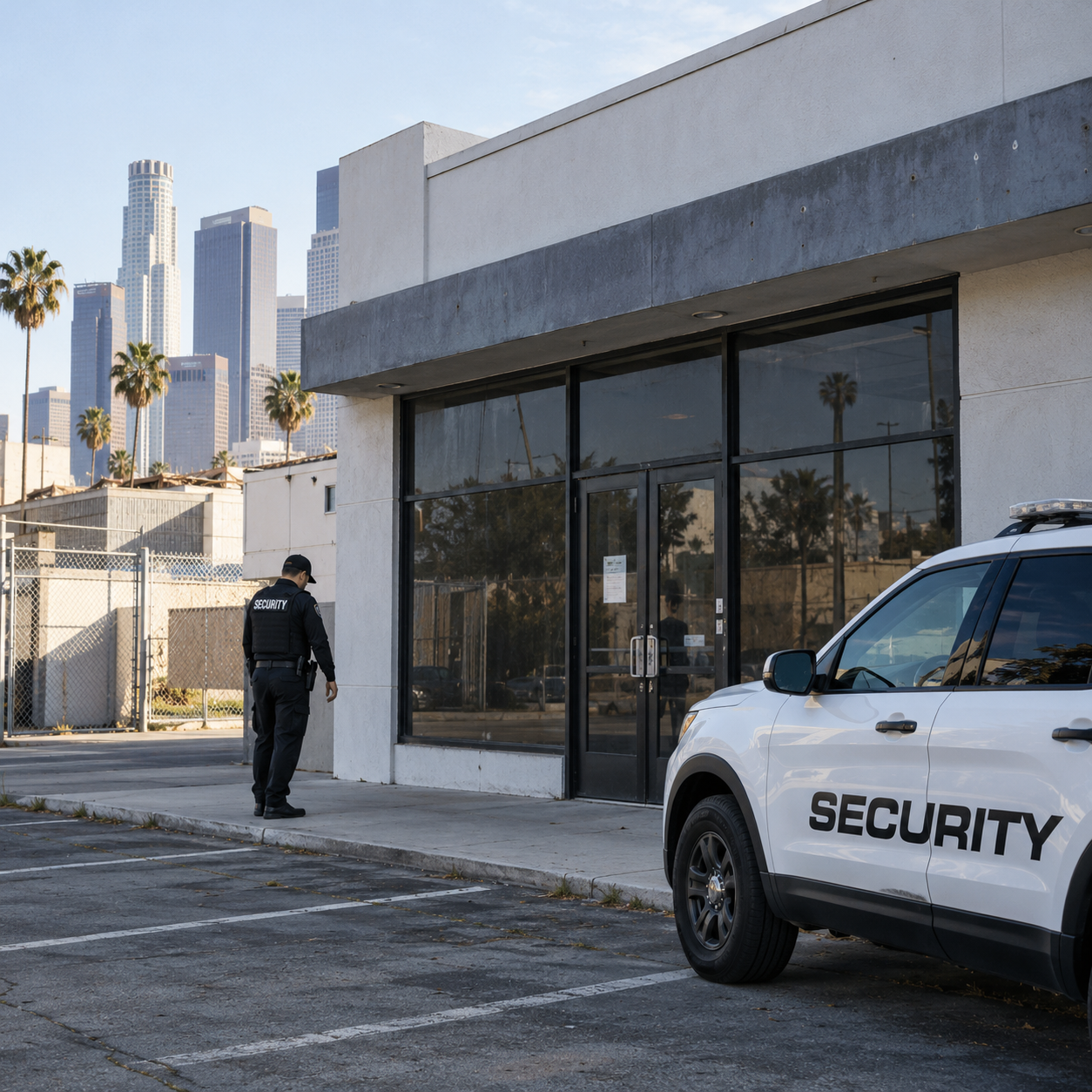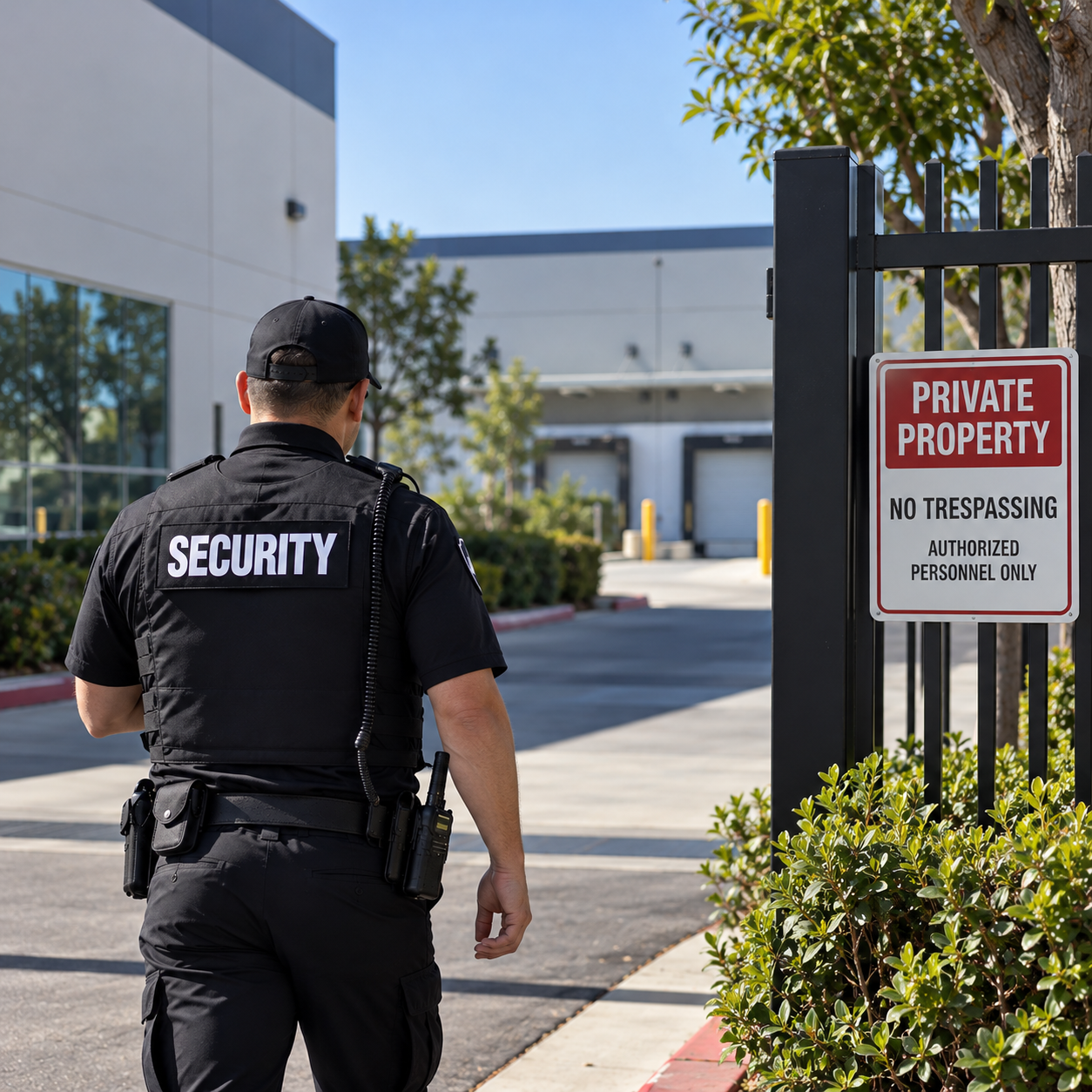
Trespassing Prevention Services for Commercial Properties help owners address a problem that rarely starts with a dramatic break-in. An unsecured loading door, poorly lit parking corner, or repeated after-hours visitor can become a pattern of damage, disruption, and tenant complaints. Effective prevention combines clear property boundaries, trained security personnel, camera verification, and an escalation process that protects employees without inviting unnecessary confrontations.
Why Trespassing Creates More Than a Security Problem
Commercial sites often feel open to the public even when parts of the property are restricted. Customers may enter during business hours, while delivery yards, mechanical rooms, vacant suites, and rear corridors require authorization.
When those boundaries are unclear, managers face several risks:
- Interrupted operations: Staff spend time responding to unwanted activity instead of serving customers.
- Property damage: Broken locks, graffiti, dumped materials, and tampered equipment create repair costs.
- Safety concerns: Unauthorized activity near vehicle lanes or loading docks exposes people to hazards.
- Repeated complaints: The same problem returns because previous incidents were never properly documented.
The operational takeaway: The strongest trespassing prevention program makes authorized access obvious, suspicious activity easier to detect, and response consistent across every shift.
Five Layers of Effective Trespassing Prevention
1) Define Public, Private, and Restricted Areas
Start with a site map identifying customer entrances, tenant-only corridors, staff parking, loading docks, utility rooms, and property boundaries. Establish which areas are publicly accessible, and during what hours.
- Clear signage: Post business hours and restricted-access notices where people make entry decisions.
- Controlled doors: Secure secondary entrances without obstructing required emergency exits.
- Vendor procedures: Give contractors specific check-in points and approved access windows.
- Physical upkeep: Repair damaged fencing, gate latches, and door hardware promptly.
One Detail Managers Often Miss
A sign alone does not make every encounter a criminal trespass. The circumstances, applicable law, authorization, and how a person was notified matter. Staff should follow established procedures rather than make legal assumptions.
2) Use Purposeful Guard and Mobile Patrol Coverage
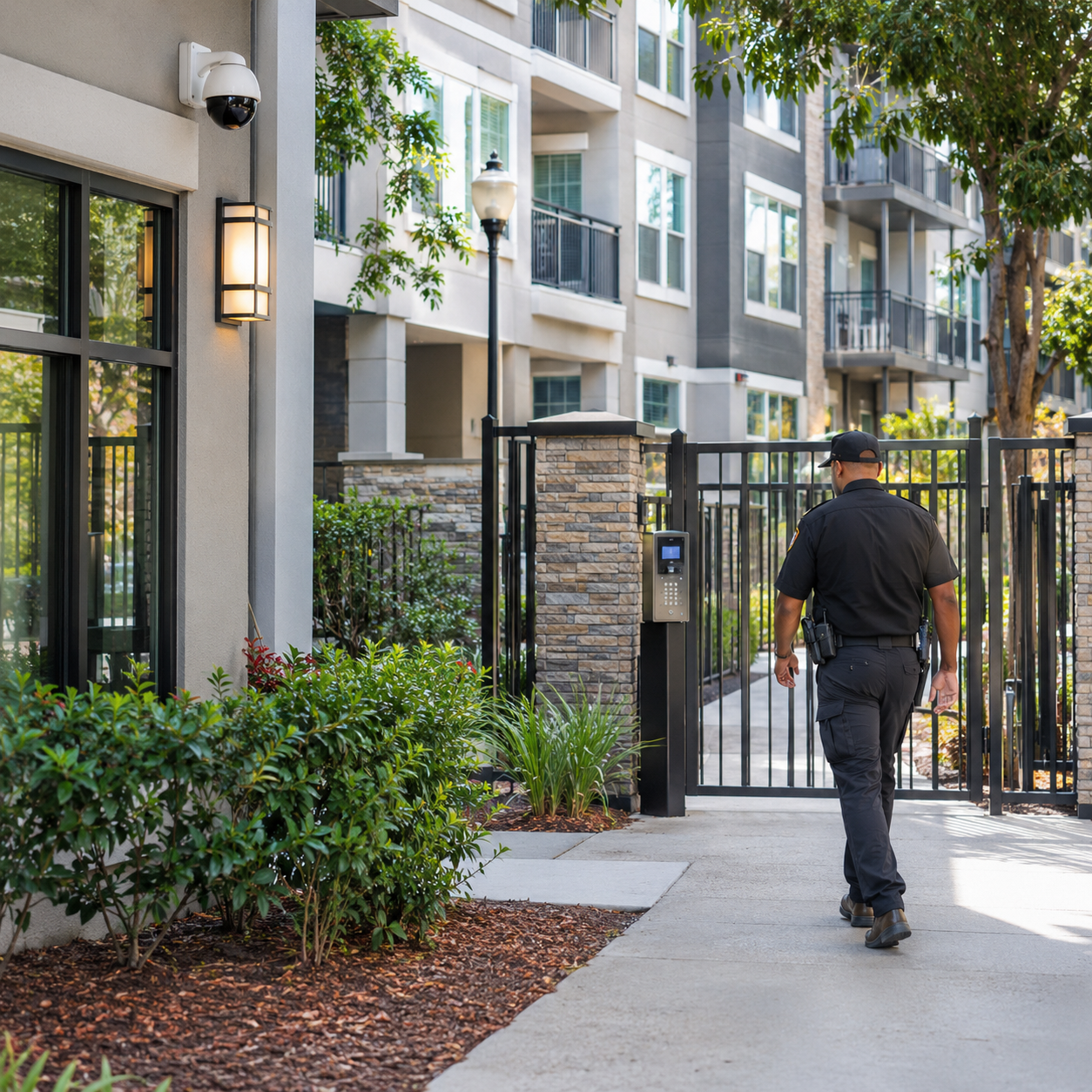
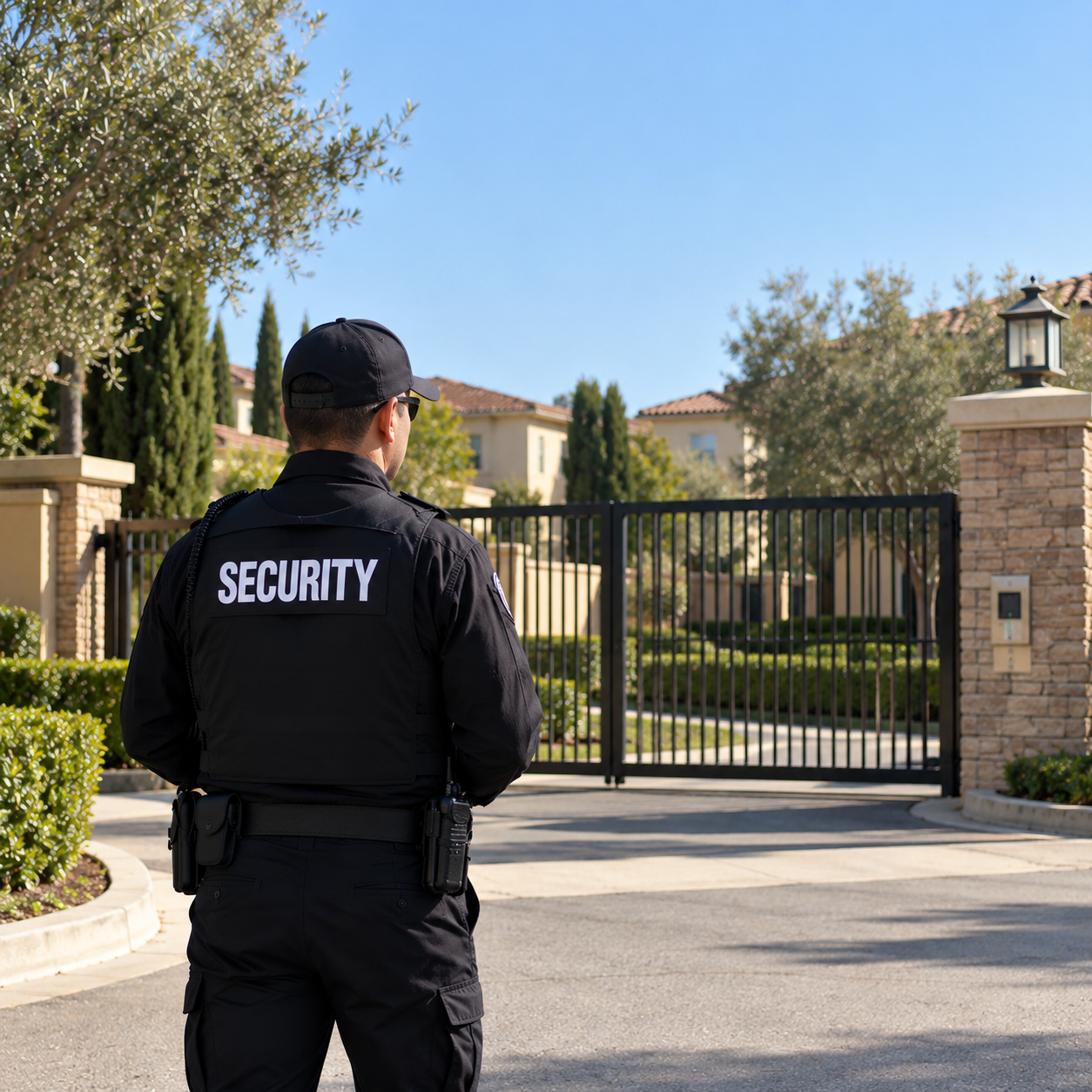
Visible security presence helps discourage unauthorized activity, but a patrol is only useful when it checks the places where people actually enter or linger.
Assign officers to inspect rear service lanes, stairwells, parking structures, unlocked doors, and equipment areas. Use scheduled checks around closing time together with varied patrol windows during quieter hours.
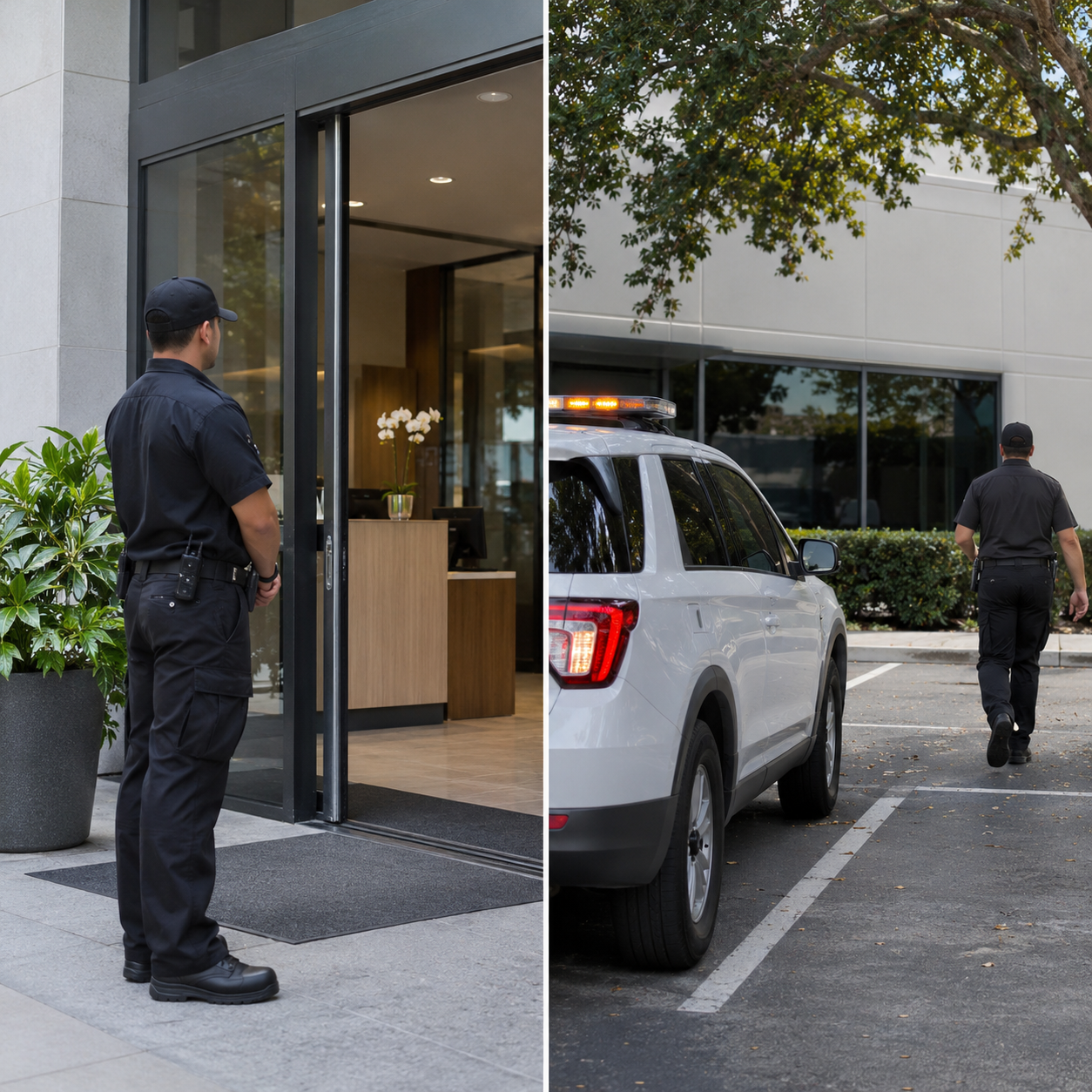
For multi-building sites, mobile patrols can supplement entrance personnel. Higher-risk properties may require dedicated officers at vulnerable posts, especially during repairs or tenant transitions.
3) Connect Cameras and Alarms to a Response Plan
Recorded video can explain what happened yesterday; monitored alerts can help teams respond while an incident is developing.
A practical workflow is:
- A camera analytic, door contact, or alarm detects an unusual event.
- An operator or authorized employee checks the available context.
- Security receives the location, description, and relevant observations.
- An officer follows the property’s approved response and notification procedures.
- The event is logged with time stamps and supporting evidence.
Live audio warnings may provide additional deterrence where the equipment, policies, and conditions support their use. Never delay urgent emergency calls solely to obtain video confirmation.
4) Train Officers to De-escalate and Document
Not everyone in an unfamiliar location is trespassing. They might be a delivery driver at the wrong entrance, a customer seeking directions, or a contractor working outside normal hours.
Professional officers begin with observation, courteous communication, and verification where safe. If an unauthorized individual refuses to leave, personnel should maintain distance, notify management, and involve law enforcement according to the circumstances and site policy.
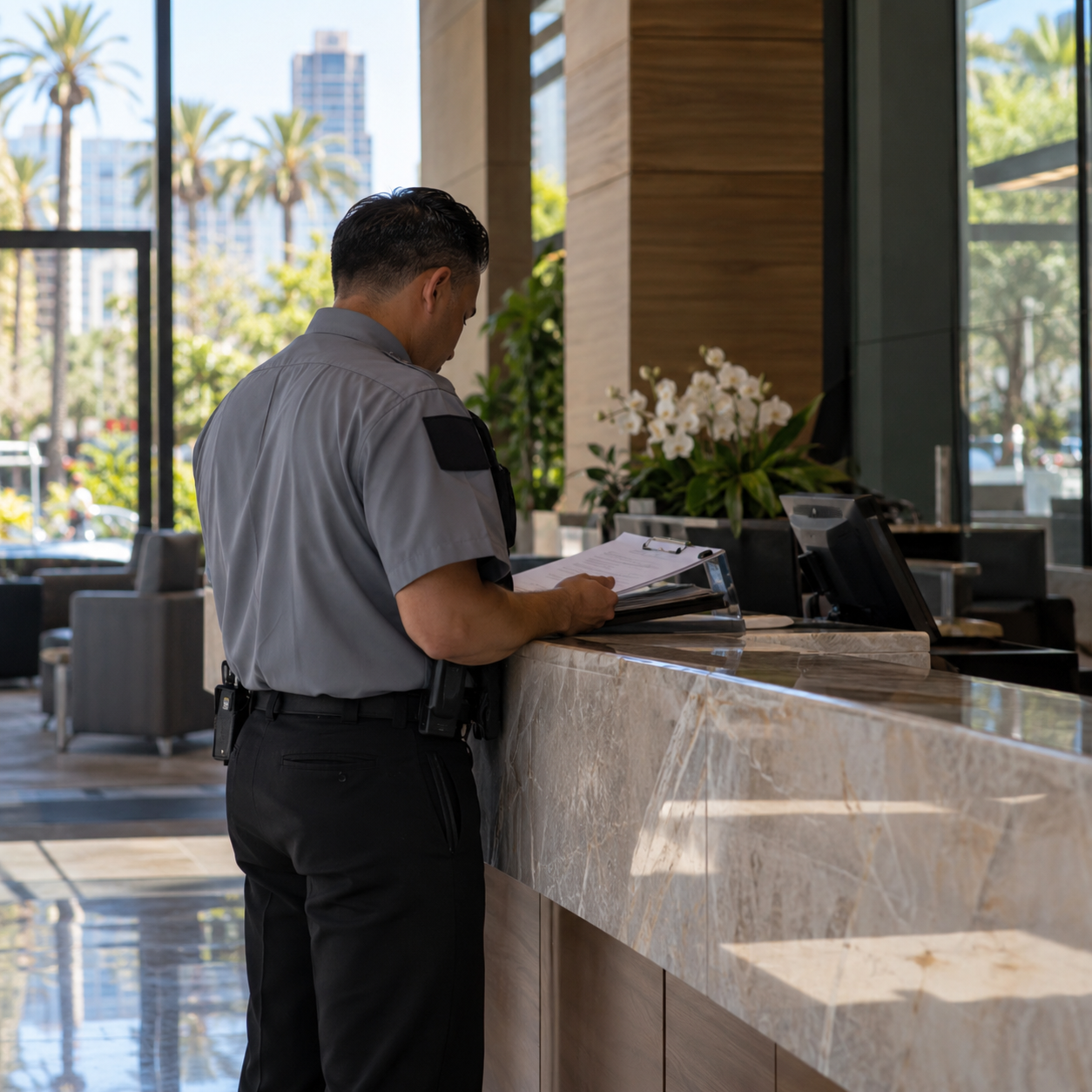
Documentation should capture:
- Exact time, place, and behavior observed.
- The person’s response to any lawful request or direction.
- Relevant camera views, photographs, and witness information.
- Notifications, police report references, and follow-up needs.
Security guards should not use unnecessary force or treat appearance, housing status, or other personal characteristics as evidence of wrongdoing.
5) Remove Environmental Blind Spots
Trespassing prevention also depends on property maintenance. Improve lighting near entrances, trim landscaping that conceals access points, remove objects that assist fence climbing, and keep vacant storefronts secured.
Review recurring locations with maintenance and tenant representatives. A repaired door may eliminate more repeat calls than adding patrol visits to the same problem area indefinitely.
California Trespass Rules: What Owners Should Know
California Penal Code Section 602 covers several different forms of trespass; not every unauthorized presence meets the same legal test. Owners should coordinate with local law enforcement on notices, warning procedures, and requirements for requesting assistance.
The San Diego County Sheriff’s Department provides useful guidance on business-property trespassing, including signs and trespass authorization letters. Read the official resource here: https://www.sdsheriff.gov/resources/trespassing-on-business-property.
Some law enforcement agencies accept a signed, notarized authorization allowing officers to address qualifying trespass incidents when the owner is absent. Eligibility, duration, and procedures depend on the law and local agency rules. Confirm the requirements for your property rather than assuming a generic letter is sufficient.
A 30-Day Implementation Roadmap
Week 1: Identify Repeat Access Problems
Review incident reports, maintenance requests, camera views, and tenant complaints. Mark unmonitored entrances and locations with recurring after-hours activity.
Week 2: Set Clear Post Orders
Define who may authorize entry, who can request a person leave, when to call police, and what information an incident report must contain. Train officers and building staff on the same instructions.
Week 3: Align Patrols and Monitoring
Add focused foot checks and camera alert rules at vulnerable locations. Test notifications so the right manager or responder receives useful information.
Week 4: Measure and Adjust
Review repeated incidents, unsecured doors discovered, response times, and incomplete reports. Correct recurring physical problems before spending more on patrol frequency.
How CWPS Supports Commercial Property Protection
Established in 2012, City Wide Protection Services (CWPS) provides armed and unarmed security personnel, courtesy and mobile patrols, camera and alarm monitoring, and security consultation. Its approach can bring on-site presence, dispatch coordination, and incident documentation into a property-specific security program.
For a related strategy, read our guide to Creating a Layered Security Plan for Commercial Properties. It explains how perimeter controls, access systems, patrol coverage, and monitoring support each other.
Protect Your Commercial Property With CWPS
Effective Trespassing Prevention Services for Commercial Properties should reduce opportunities for unauthorized entry while keeping daily operations and visitor access manageable. CWPS can discuss patrol coverage, monitoring, and site procedures appropriate to your property.
- Call: (888) 205-4242
- Email: [email protected]
FAQ: Quick Answers for Property Managers
Can a security guard order someone off commercial property?
An appropriately authorized officer may communicate lawful property rules and requests, but legal authority and enforcement procedures depend on the facts, local law, and post orders.
Do “No Trespassing” signs guarantee enforcement?
No. Signs can help establish boundaries and satisfy certain notice requirements, but specific violations have different legal elements.
Are cameras enough to prevent repeat trespassing?
Usually not by themselves. Cameras are most useful alongside secured entrances, active review when appropriate, trained personnel, and reliable follow-up.